

Grand Prix Singapore is not just a race for Singaporeans abroad. It is a weekend-long ritual of group chats, late-night streams, and gatherings that stretch across Melbourne, London, Toronto, and dozens of other cities where the diaspora has made its home.
How the night race becomes a global event
Singapore made F1 history in 2008 by becoming the sport’s first-ever night race. That timing is one of the great gifts the race gives to Singaporeans living in Europe. As a night race, the sessions are timed perfectly for European fans to catch all the action live. Qualifying on Saturday lands in the early evening in London and Paris. The race on Sunday arrives in time for dinner.
For Singaporeans in cities further west, the schedule is harder. In Toronto and New York, the race starts around 8 in the morning. In Los Angeles, fans set alarms before sunrise. But they still show up. Community Facebook groups in each city fill up days before the weekend with messages asking who is hosting and what food everyone should bring.
Most of the Singaporean diaspora is located in Malaysia, Australia, the United Kingdom, the United States, Indonesia, and China. Each of those communities builds its own version of race weekend.
What Singaporeans cook to feel closer to home
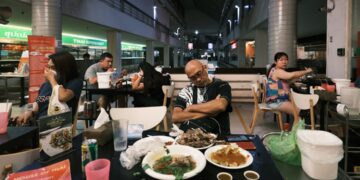
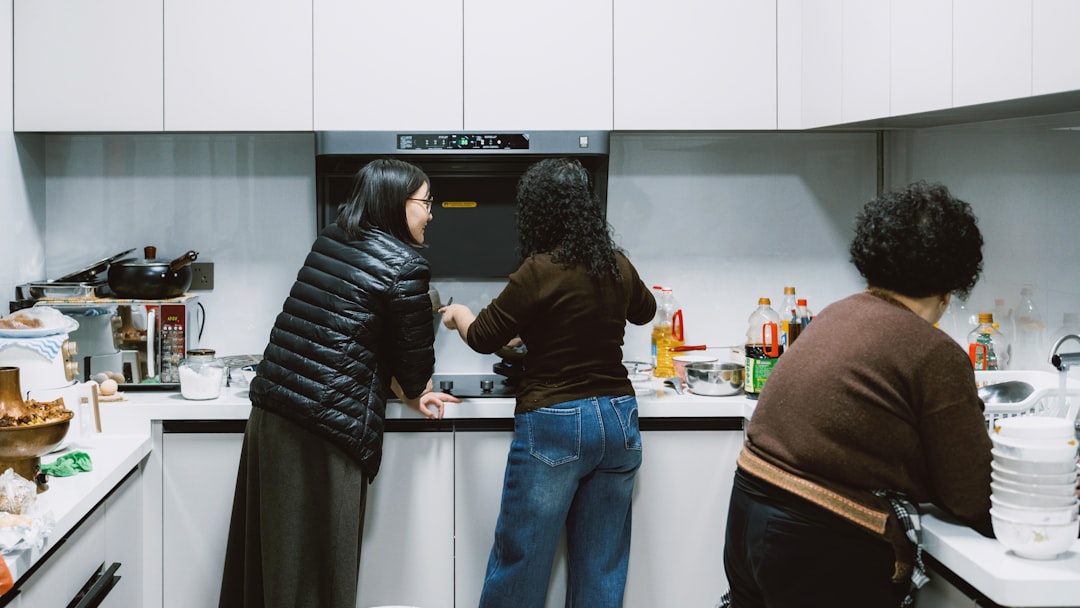
Food is always the first conversation. A watch party in Melbourne or London without the right food does not feel right to most Singaporeans. Group chats decide the menu days in advance. Someone brings chicken rice. Someone else makes laksa. A pot of bak kut teh appears at almost every gathering in colder cities.

From October 3 to 5, Formula 1 returned to Singapore for its iconic night race around Marina Bay. Back home, that weekend means special menus, rooftop parties, and a city that vibrates at a different frequency. The Grand Prix Season Singapore showcases the best of Singapore’s vibrant lifestyle experiences, from nightlife and entertainment to world-class shopping and dining. Singaporeans abroad try to recreate a version of that energy in their own living rooms and community halls.
The hawker food angle is important. Many in the diaspora say that cooking familiar dishes during the race is a deliberate act. It brings the smell and taste of home into a flat in Manchester or an apartment in Sydney. The food is not just comfort. It is a connection to a specific place and time.
Streaming, schedules, and the group chat
The technical side of following the Grand Prix Singapore from abroad has become much easier. F1 TV Pro offers direct access in many markets. WhatsApp groups and Telegram channels coordinate streams, share timing updates, and run commentary in real time. About 4% of the population of Singapore lives abroad, which is around 269,600 people. That is a large, active, and digitally connected community.


The 2025 race took place at the Marina Bay Street Circuit in Marina Bay, Singapore, with an attendance of 300,641. The crowd inside the circuit was enormous. But the crowd watching from abroad was even larger. Singaporeans track the race through official apps, social media, and community streams. Many follow the live timing alongside the video feed to understand strategy in real time.
The Marina Bay Circuit is one of the most physically demanding on the calendar, with its bumpy street surface and humid conditions giving drivers plenty to think about. Fans abroad follow every detail of that challenge. They debate tyre strategy, safety car timing, and pit stop decisions across multiple time zones simultaneously.
Expert perspective on the diaspora and national identity
When Singaporeans abroad gather to watch an event like the Grand Prix Singapore, something important happens. The race becomes a carrier of identity. People who spend most of their week navigating a foreign city suddenly share a common reference point with strangers from home. Food, language, and the shared experience of watching Marina Bay light up under floodlights create a temporary but powerful sense of belonging. These gatherings are not just social events. They are small acts of cultural maintenance. The community is telling itself: we are still Singaporean, even here. That matters more than most people realise, especially for those who have lived abroad for many years.
Industry perspective, community and cultural identity researchers in Australia and the United Kingdom
The race result and what it means across time zones
George Russell of Mercedes converted his pole position into a win, ahead of Red Bull’s Max Verstappen and McLaren’s Lando Norris in the 2025 race. The result spread through diaspora group chats within minutes of the chequered flag. Reactions ranged from delight to frustration depending on who each person supported.
McLaren won its tenth Constructors’ Championship at this event, and second in a row. For Singaporean fans who follow McLaren closely, that result gave the race an extra layer of significance. It became a race that Singapore hosted at a historic moment for the sport.
The Marina Bay Street Circuit, with its skyscraper backdrop and punishing layout, has become more than just a race in recent seasons, becoming a test of physical endurance for the drivers. For fans abroad, it is also a test of endurance. Early morning alarm calls, interrupted sleep schedules, and planning around work are all part of following the Grand Prix Singapore from a different time zone.

Conclusion: the race that travels with you
The Grand Prix Singapore follows Singaporeans wherever they go. It is one of the most recognisable events on the national calendar, and its global broadcast makes it accessible from any city on earth. As Singapore has embraced globalisation, internationally mobile citizens have been viewed as bridge-builders and indispensable to the country’s economic development. The race weekend is one of the clearest moments in the year when that bridge is visible.

The Grand Prix Singapore gives the diaspora a shared moment, a shared meal, and a shared screen. For Singaporeans in London, Melbourne, Toronto, or Tokyo, that matters deeply. Follow SINwebzine for more stories about how Singaporeans carry their city with them, wherever in the world they are.
Discover more about Grand Prix Singapore
- Singapore Grand Prix, Official Race Information (Formula 1)
- Grand Prix Season Singapore 2025, Singapore Tourism Board
- State of the Overseas Singaporeans Study, IPS Social Lab, NUS