

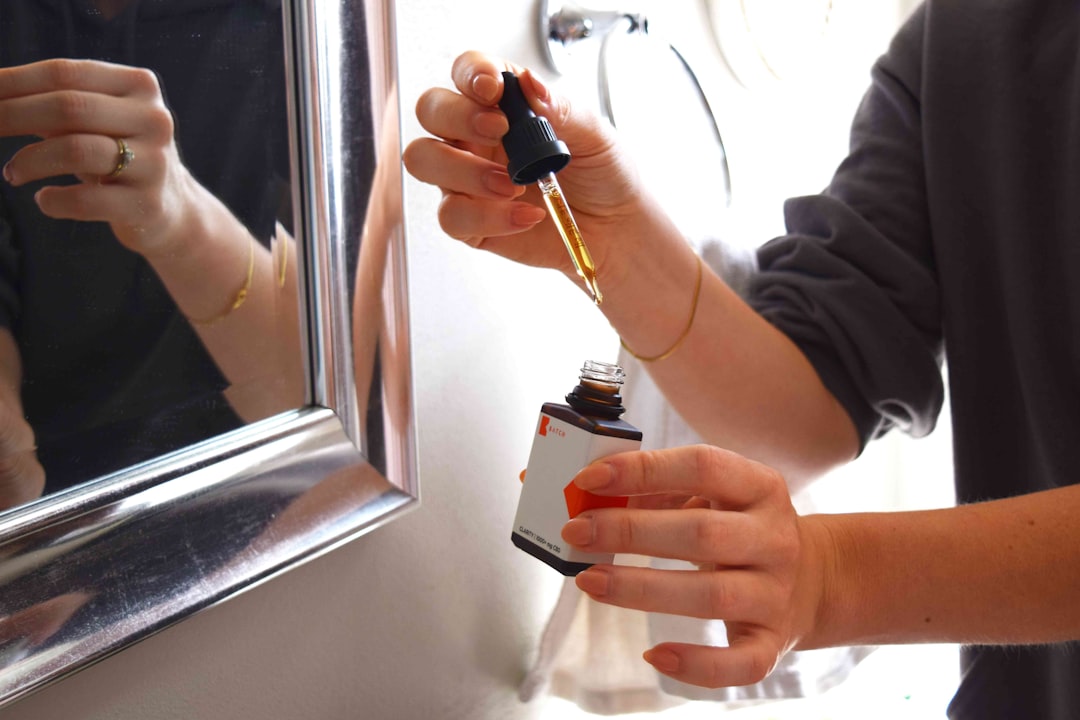
Monsoon beauty in Singapore is a full-time job, and June is the month that tests every product in your bathroom cabinet.
Switch your shampoo to a sulphate-free formula
Singapore’s relative humidity in June can reach a daily maximum of 94%. That number is not a typo, and your hair shaft feels every percentage point. The island’s high humidity causes hair to absorb moisture from the air, which makes the hair shaft swell and the cuticle lift, leaving hair looking puffy, dry, and frizzy.

The first fix starts in the shower. Sulphates are harsh detergents found in many shampoos that strip your hair of its natural oils, which leads to dryness and frizz. A sulphate-free shampoo cleanses without removing essential moisture. Look for labels that mention glycerin, argan oil, or shea butter. Those ingredients actively smooth the cuticle instead of roughing it up.
Apply your shampoo to the scalp only, not the lengths. Rinse fully, then follow with a moisturising conditioner on the mid-lengths and ends. This 2-step habit alone makes a measurable difference by the end of the first week.
Use a leave-in serum before you style
A good serum is your monsoon beauty shield, and you should apply it every single day without exception. After washing your hair, a leave-in conditioner or an anti-frizz serum creates a protective barrier on the hair, sealing in moisture and keeping out humidity, while also smoothing the hair surface and making styling easier.
A lightweight leave-in conditioner or humidity-resistant serum forms a protective layer that reduces swelling and smooths flyaways. Apply it on damp hair before blow-drying to maximise absorption and shine. The word “lightweight” matters here. A heavy serum will flatten fine hair and leave thicker hair looking greasy by midday.

When you choose a serum, look for lightweight formulas that will not weigh your hair down or leave it greasy. A small amount goes a long way, so start with a pea-sized quantity and add more if needed.
Dry smarter, not longer
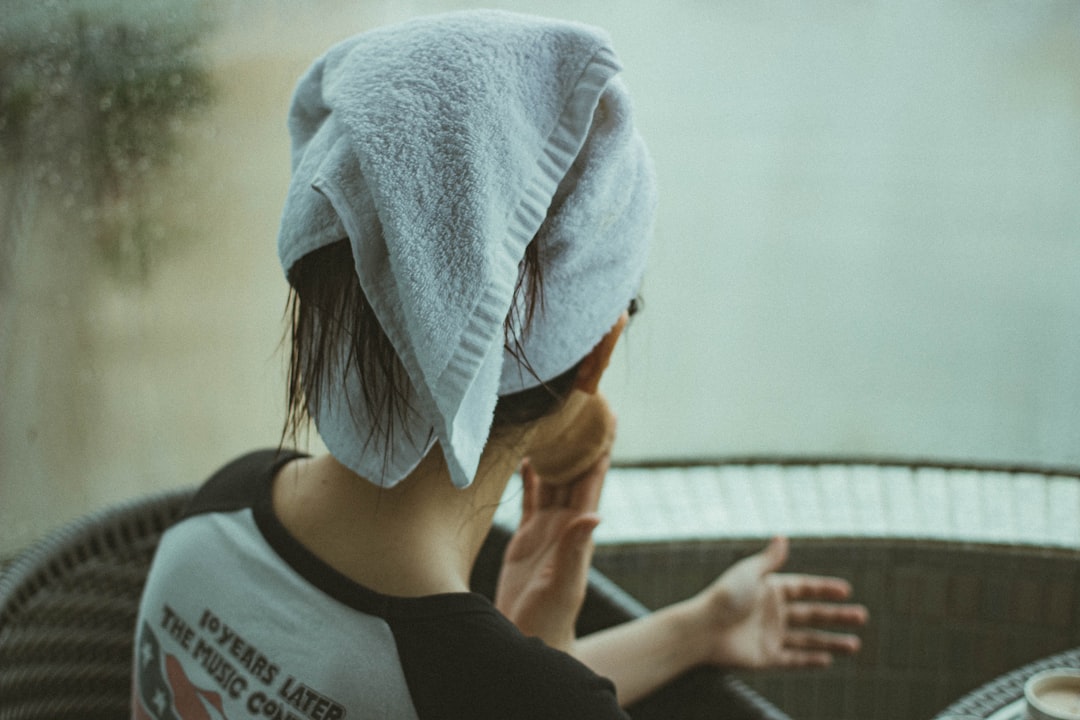
How you dry your hair after washing is just as important as which products you use. After washing, avoid rubbing your hair with a towel, as this roughens the cuticles and contributes to frizz. Instead, gently squeeze out excess water using a microfiber towel or an old t-shirt, which minimises friction and reduces damage to the hair shaft, leaving it smoother and less prone to frizz.
Air-drying seems gentle, but in a humid climate it is not always the best option. Prolonged dampness can weaken hair and make it more prone to breakage and frizz. An ionic hair dryer is a better choice, because these dryers emit negative ions that break down water molecules faster, reducing drying time and allowing you to use lower heat settings.
When you use heat styling tools such as hair dryers or straighteners, always apply a heat protectant spray first. The heat protectant forms a barrier between your hair and the high temperatures, minimising damage and frizz. Set the heat to medium, not maximum. Finish with a cool blast to close the cuticle before you step outside.



Expert perspective on monsoon beauty in Singapore
Clients who live in tropical climates like Singapore often make the same mistake: they fight humidity instead of working with it. The key is to build a barrier before you leave the house, not to fix frizz after it appears. A well-hydrated hair shaft is naturally more resistant to swelling because it already holds enough internal moisture to stay balanced. For most hair types in Singapore, that means weekly deep conditioning treatments combined with a daily leave-in product, applied while the hair is still damp. If you skip the daily step, the weekly treatment loses much of its effect within 48 hours. The monsoon season is also an ideal time to assess your scalp health, as excess heat and sweat create the conditions for buildup and sensitivity that many people attribute to the weather but that are actually very manageable with the right targeted care.
Industry perspective, hair care and salon professionals in Singapore
Do a weekly deep conditioning treatment
One weekly treatment makes a real difference when you live in Singapore. A deep conditioning treatment once a week restores moisture, adds shine, and strengthens your hair, improving its overall resilience against humidity. Look for masks rich in hydrating ingredients like hyaluronic acid or coconut oil.
An intensive conditioning treatment delivers a concentrated dose of moisture and nutrients deep into the hair shaft. Frizzy hair is often dry and craving moisture, and professional masks provide intense hydration, repairing damaged cuticles and making the hair more supple and less likely to absorb external humidity.
You can do this treatment at home or at a salon. Apply the mask from mid-length to the ends, cover with a shower cap, and leave it for 10 to 20 minutes. Rinse with cool water to seal the result in.
Care for your scalp, not just your strands
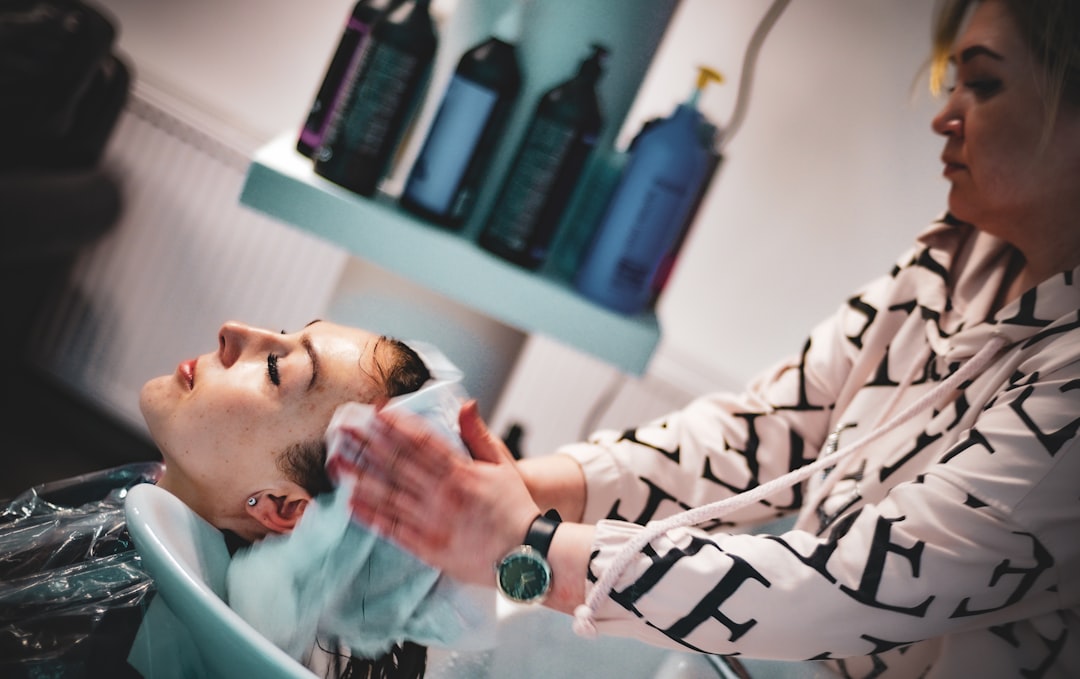
Most monsoon beauty routines focus on hair lengths and ignore the scalp entirely. That is a mistake. A healthy scalp is essential for healthy hair. Exfoliate your scalp regularly to remove buildup and excess oil, and use a scalp treatment to nourish and balance the scalp’s natural oils.
A trim every 6 to 8 weeks removes split ends and prevents further damage. This keeps your hair looking healthy and strong, and it prevents frizz from travelling up the hair shaft. Regular trims are an easy, practical fix that many people delay for months longer than they should.

Also consider your shower water. Hard water, which contains high levels of chemicals like chlorine, can be damaging to your hair. Removing these chemicals through a shower filter protects hair health and colour integrity. Shower filters are widely available in Singapore and attach in minutes.
Conclusion: make monsoon beauty a daily habit
Monsoon beauty in Singapore is not about one miracle product. It is about 6 small habits that work together, every single day. Start with a sulphate-free shampoo, add a lightweight serum, dry with an ionic tool, and treat your scalp with the same care you give your strands. Book a deep conditioning treatment once a week, and trim every 6 to 8 weeks. These fixes make monsoon beauty genuinely manageable, for expats and locals alike. If Singapore’s humidity has defeated your hair routine before, try these 6 steps this June and see the difference within 2 weeks. Your bathroom cabinet is ready. Now go outside with confidence.
Discover more about monsoon beauty
- Climate of Singapore: Official data on humidity and monsoon seasons
- Hair Care in Singapore: Euromonitor market research report
- Wavy Hair Care Routine That Actually Works in Humid Weather (Top Secret, 2025)