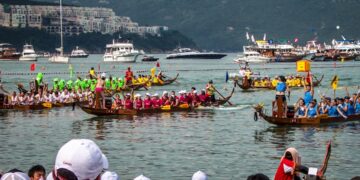

Dragon Boat Festival energy fills Singapore every June, and if you have never felt the beat of a drum on the water, you are missing one of the most alive moments this city produces.
The story behind the festival
The Dragon Boat Festival commemorates the death of Qu Yuan, a Chinese poet and minister during the Zhou Dynasty Warring States period. It falls on the fifth day of the fifth month of the Chinese lunar calendar. Because of this timing, people also call it the “double fifth” festival.

The festival honors the memory of Qu Yuan, the beloved prime minister of the southern Chinese state of Chu. According to legend, when he drowned himself in protest at the fall of his homeland, locals paddled out on boats, beating drums to scare away the fish. That act of devotion became a tradition. Today, dragon boat racing has a rich history of ancient ceremonial and ritual traditions, originating in southern central China more than 2,500 years ago.
Singapore’s multicultural environment has helped preserve and modernise this centuries-old tradition, making the festival both culturally meaningful and widely celebrated. It is not a public holiday in Singapore, but it is nevertheless a widely observed cultural event.
Where and when the races happen
In Singapore, dragon boat racing has grown into a major sporting event, drawing school teams, corporate groups, clubs, and international competitors. The official Singapore Dragon Boat Festival races take place on 27 and 28 June 2026 at Bedok Reservoir, giving spectators a chance to see the action up close. Other race events are also held at venues such as The Kallang and Marina Reservoir during the wider season.
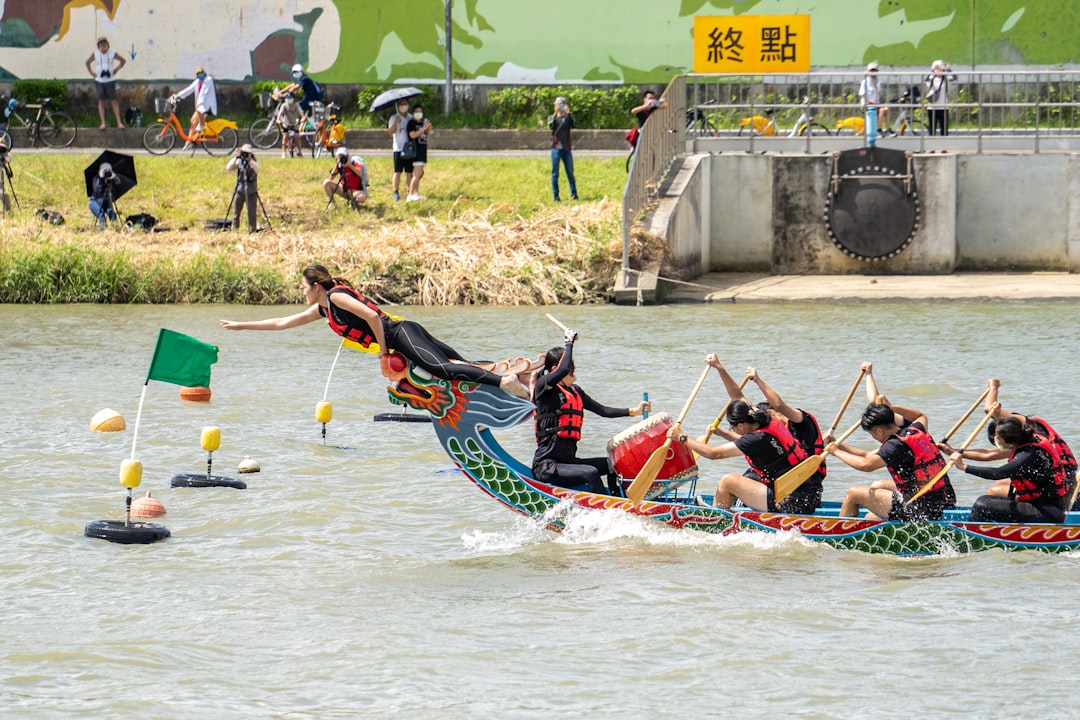
A standard team in a dragon boat race comprises 20 paddlers, a helmsman, and a drummer to set the pace. With its sheer size, the race is all about teamwork. The race was first introduced to Singapore in 1978, with the competition seeing participation from 25 local teams.

While dragon boat racing has ancient cultural origins, in Singapore it has grown into a structured competitive sport with strong participation from clubs, schools, corporate crews, and high-performance teams. Arrive at Bedok early on race days. The atmosphere on the water builds fast, and the best viewing positions go quickly.
What to eat: zongzi and bak chang
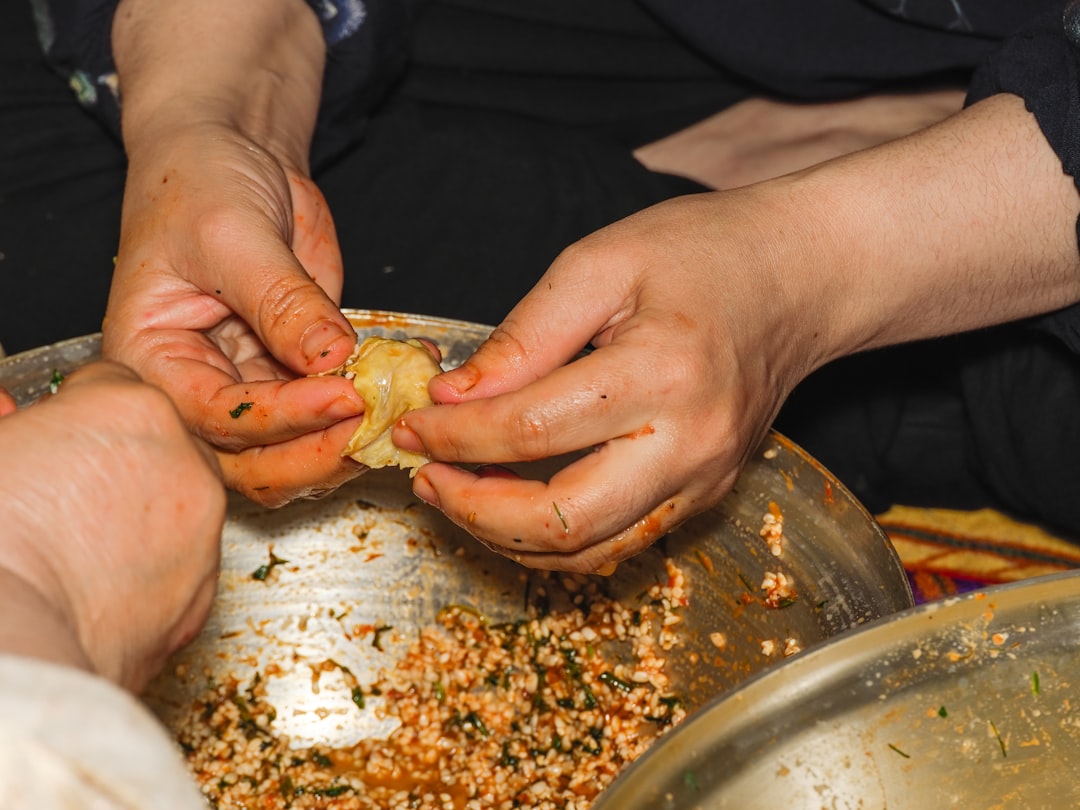
Rice dumplings, known locally as bak chang or zongzi, are made using glutinous rice wrapped in bamboo leaves and filled with savoury or sweet ingredients. Traditional fillings include pork belly, salted egg yolk, mushrooms, chestnuts, and beans.
In Singapore, restaurants, hotels, and specialty stores release new flavours each year, adding local twists to the classic recipe. For many Singapore families, the most familiar part of the festival is zongzi, or bak chang. Restaurants and bakeries usually release limited-time dumpling sets in the weeks leading up to the festival, while home cooks keep family recipes going.
According to legend, villagers threw rice into the river after Qu Yuan’s death to deter fish from eating his body. Over time, people threw sticky rice dumplings instead. That origin story gives every piece of bak chang a quiet layer of meaning that makes eating it feel different from any other hawker snack.
Heritage perspective
Singapore holds this festival in a way that is genuinely its own. The Chinatown street celebrations bring together dialect groups, younger Singaporeans who have never wrapped a dumpling before, and visitors who arrive curious and leave converted. What makes it work here is the mix: you can watch a competitive race at Bedok Reservoir in the morning, walk into a Hokkien rice dumpling stall at a kopitiam by noon, and attend a heritage talk at a clan association hall in the afternoon. The festival is not performed for tourism. It is lived by the community, and that is what gives it weight. People pass recipes between generations at these events, and the food itself carries the dialects, the regions, and the stories of the families who make it.
Cultural heritage and food traditions perspective, Singapore Chinese community and festival practitioners
What to do in Chinatown during the festival
The festival aims to bring residents, visitors, and businesses together in a shared celebration of tradition, food, and local culture in the heart of Chinatown. Smith Street becomes one of the most active streets in the city during this period, and it rewards anyone who walks it slowly.



Visitors can explore cultural workshops including a bookmark painting session and the Dragon Boat Canvas Voyage, where participants create dragon boat-themed artworks guided by facilitators. At the Nyonya Chang Workshop, attendees learn the traditional method of preparing and wrapping rice dumplings, and take home uncooked pieces.
Live performances feature a Chinese orchestra, drumming, lion and dragon dances, and mini dragon boat racing. Admission to the Dragon Boat Festival street events is free. Bring cash for the food stalls, comfortable shoes, and no particular schedule.
Make the Dragon Boat Festival yours
The Dragon Boat Festival in Singapore rewards the curious. In Singapore, the celebrations often continue beyond the day itself, with races, cultural activities, and food-led traditions taking place throughout the season. That means you have more than 1 day to experience it properly.
Start at Chinatown for the community energy and the zongzi. Move to Bedok or Kallang for the races. Let the drumbeats and the food do the rest. The Dragon Boat Festival is one of those Singapore occasions that does not ask you to be an expert. It only asks you to show up.

Discover more about Dragon Boat Festival
- Dragon Boat Festival 2026 in Singapore, Visit Singapore
- Singapore Dragon Boat Festival, Singapore Dragon Boat Association (SDBA)
- Everything You Need to Know About Singapore’s Dragon Boat Festival, FACT Magazine