
CONTACT
  • Login
Upgrade
SINwebzine
Advertisement
  • Home
    • Our Authors
    • Media Kit
    • Contact
    • Cookie Policy
    • Terms and Conditions
  • News
  • Business
  • Lifestyle
    • Beauty
    • Kids
    • Sustainable living
    • Sports
    • Creativity
  • Gastronomy
  • Culture
  • Travel
  • Global Singapore
  • Insights
  • Local Guide
    • Activities in Singapore
    • Hotels in Singapore
    • Nightlife in Singapore
    • Restaurants in Singapore
    • Services in Signapore
    • Shopping in Singapore
  • Home
    • Our Authors
    • Media Kit
    • Contact
    • Cookie Policy
    • Terms and Conditions
  • News
  • Business
  • Lifestyle
    • Beauty
    • Kids
    • Sustainable living
    • Sports
    • Creativity
  • Gastronomy
  • Culture
  • Travel
  • Global Singapore
  • Insights
  • Local Guide
    • Activities in Singapore
    • Hotels in Singapore
    • Nightlife in Singapore
    • Restaurants in Singapore
    • Services in Signapore
    • Shopping in Singapore
No Result
View All Result
SINwebzine
No Result
View All Result
Home Luxury Lifestyle Gastronomy

Peranakan cuisine: why it belongs on your food map

Singapore's most storied kitchen tradition blends centuries of culture into every bowl, pot, and hand-crimped pastry shell.

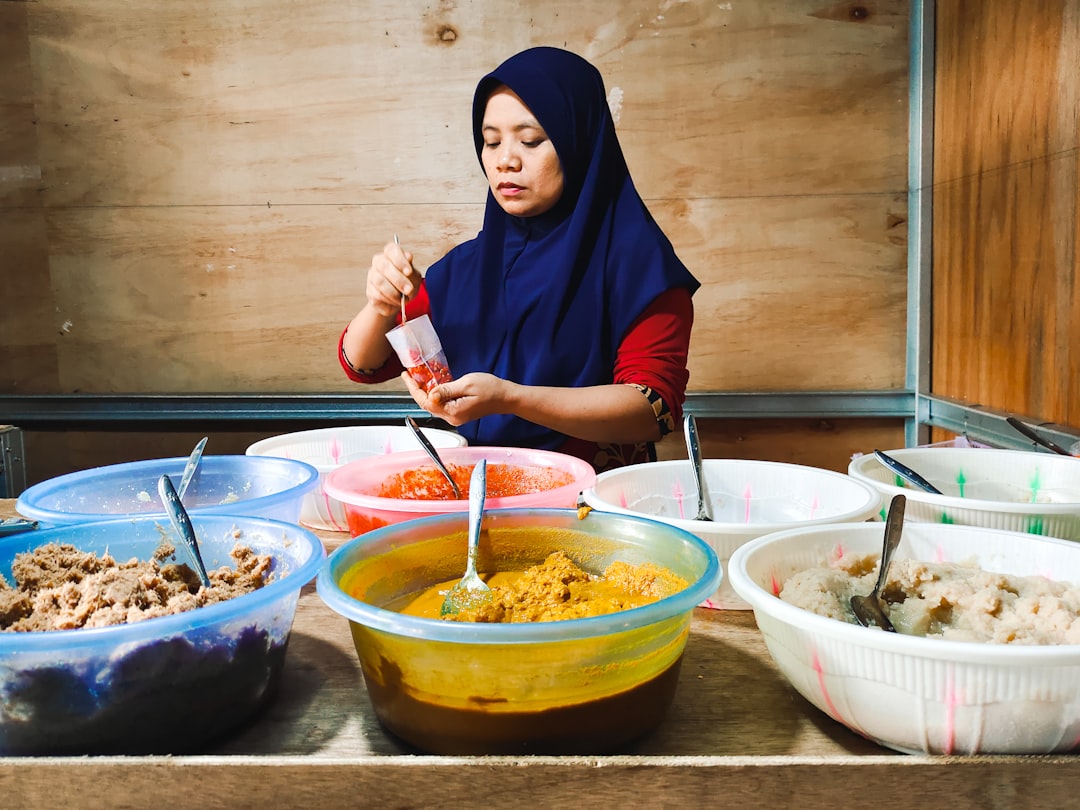
A Peranakan cuisine cook presents traditional nyonya dishes at a heritage restaurant table in Singapore

Peranakan cuisine sits quietly at the heart of Singapore’s food story, and it deserves far more attention than most visitors give it.

What makes Peranakan cuisine so distinctive

Peranakan cuisine is a hybrid of Chinese (mainly Hokkien but also Hainanese), Malay, Indian, Thai, and Western colonial influences, including Portuguese, Dutch, and English. That is a remarkable amount of history folded into a single plate of food. Peranakan culture traces back to the 15th century, when Chinese immigrants settled in Southeast Asia and intermarried with local Malays. The food they created reflects every stage of that journey.

The cuisine is typically aromatic and spicy, and uses ingredients that reflect its hybrid roots. These include Malay spices such as belacan (dried fermented shrimp paste) and daun limau purut (kaffir lime leaf), as well as ingredients more common to Chinese food such as pork and kiam chye (pickled vegetable). The result is a flavour profile that genuinely does not exist anywhere else. Dishes balance sweet, sour, spicy, and umami. Pandan leaves, tamarind, and coconut milk all feature prominently.

Central to almost every Peranakan dish is a spice paste called rempah. The preparation of rempah combines dried and fresh chilies, garlic, shallots, galangal, turmeric, and kaffir lime leaves, ground finely. Traditionally, this is done with a granite mortar and pestle, believed to coax out deeper flavours than any food processor. Locals say you can judge a cook’s skill purely by the sound of that mortar at work.

The recipes, the rituals, and why they matter

Food is one of the most distinctive aspects of Peranakan culture, and preparing Peranakan dishes is a skill passed down to family members, most particularly between mother and daughter or daughters-in-law. This is not a cuisine that lives in books. Recipes for spicy stews, stir-fried vegetables, and even desserts are rarely written down. Instinct and family lore guide the hand.

Dishes like ayam buah keluak or beef rendang are famously laborious, with nuts or meat marinated overnight and slow-cooked to develop complex layers. Celebrations often see families gather around the kitchen, pounding spices or rolling kueh together, nurturing both tradition and community ties. This is not convenience food. It is a deliberate act of cultural preservation.

For the Peranakans, food was more than daily sustenance. It was woven into family rituals and special occasions, where lavish nyonya dishes such as babi pongteh and ayam buah keluak became centrepiece fare. Understanding this context transforms the dining experience completely.

Where to find Peranakan cuisine in Singapore

Katong and Joo Chiat are synonymous with Peranakan heritage in Singapore. These neighbourhoods are home to beautiful shophouses, cultural landmarks, and some of the best Peranakan food in the city. A walk along East Coast Road on a weekday morning, when the food stalls open and the air fills with the smell of lemongrass, is reason enough to make the trip.

Guan Hoe Soon has been serving Peranakan food since 1953, making it Singapore’s oldest Peranakan restaurant. Candlenut at Dempsey Hill holds the distinction of being the world’s first Michelin-starred Peranakan restaurant. Between those 2 extremes, a wide range of options exists. Some chefs have modernised classics at white-tablecloth restaurants, while the best home-style joints keep time-honoured recipes and the comforting textures of nyonya cooking. For an immersive neighbourhood experience, Joo Chiat and Katong offer family-run nyonya eateries and tiffin-style kitchens. In the CBD and Orchard, you will find contemporary interpretations that plate dishes for the lunch crowd.

There are few halal-certified options for Peranakan food in Singapore, so Old Bibik’s Peranakan Kitchen on Joo Chiat Road is an unusual find. The eatery takes pride in traditional home-cooking, steering clear of MSG and artificial flavouring while highlighting aromatic herbs and vibrant spices. It is also a practical choice for diners with dietary requirements.

A chef grinds rempah spice paste by hand, a core technique in authentic Peranakan cuisine

An industry perspective on Peranakan cuisine

Peranakan cuisine in Singapore is a living tradition, not a museum exhibit. The dishes connect people to centuries of migration, intermarriage, and cultural negotiation. Each bowl of laksa or plate of ayam buah keluak carries that weight, and that is precisely what makes it so relevant today. The challenge for the next generation is not simply to replicate recipes but to understand the social context in which these dishes were created. When younger cooks grasp that context, the cuisine evolves with integrity rather than gimmick. Preserving the rempah-making process, the slow-cook discipline, and the communal spirit of the nyonya kitchen is as important as preserving any written recipe.

Industry perspective, Peranakan culinary heritage and food culture professionals in Singapore

The threat of time and what the city is doing about it

Contemporary Peranakan cooking faces generational challenges as younger generations lack the patience and skills for traditional preparations. This creates concerns about preservation despite increasing restaurant visibility bringing Peranakan food into the mainstream. The concern is real and widely shared among food writers and community groups.

In 2018, Singapore’s National Heritage Board nominated Singapore hawker culture for inscription on UNESCO’s Representative List of the Intangible Cultural Heritage of Humanity. The nomination was submitted in March 2019 and approved on 16 December 2020. Peranakan food forms one of the 4 primary culinary traditions recognised within that inscription, alongside Chinese, Malay, and Indian cuisines. That recognition places the heritage on an international stage, even as the home kitchens that created it become rarer.

Authenticity in Peranakan cuisine extends beyond ingredients to the logic of the home kitchen. Techniques and flavour balances were passed down through families rather than written recipes. Restaurants that honour this approach tend to stand out clearly from those that do not.


-

Woman chef in Singapore menus in the city's busiest dining quarter

Singapore restaurant menus in September

05/09/2026
A chef carefully plates a seasonal dish at a Singapore dining counter during the late-August menu reset

Singapore dining resets before September rush

30/08/2026
A woman enjoying a plate of food at a Singapore vegetarian hawker stall in a busy food centre

Vegetarian hawker stalls meat-eaters love

29/08/2026
A woman carefully reviews a buffet menu at a Singapore National Day celebration, making informed gluten-free choices

Gluten-free guide to National Day feasts in Singapore

11/08/2026
A hawker stallholder in Singapore serves Hainanese chicken rice, one of the most beloved National Day dishes on the island.

National Day dishes every table needs

02/08/2026
A woman enjoying a bowl of laksa at a busy Singapore hawker centre stall

Laksa stalls in Singapore worth visiting

28/07/2026

A family shares a communal spread of Peranakan cuisine dishes at a traditional Singapore restaurant

Why Peranakan cuisine should be on your food map

Peranakan cuisine is not a trend. It is one of Singapore’s oldest and most complex food traditions, and it rewards every visitor who takes the time to explore it properly. You will find it in a centuries-old shophouse dining room in Katong, in a Michelin-starred kitchen in Dempsey Hill, and at a family-run stall where a son continues his mother’s recipes unchanged.

Peranakan cuisine represents living culinary heritage that continues to evolve while maintaining its essential character. This food tradition offers insights into Singapore’s multicultural identity that extend far beyond simple sustenance. Put it on your food map, book a table on a weekday, order the ayam buah keluak, and let the rempah do the talking. Peranakan cuisine will not disappoint you.

Discover more about Peranakan cuisine

  • Peranakan Cuisine in Singapore, National Heritage Board (Roots.gov.sg)
  • 18 Best Peranakan Food Restaurants in Singapore, The Honeycombers (April 2026)
  • The Revival of Singapore’s Indigenous Cuisine, Saveur
author avatar
Charlotte Webb
Charlotte Webb left London for Singapore on a two-year contract and never looked back. Seven years later, she writes about the city's extraordinary lifestyle scene: from Tiong Bahru's indie café culture to the rooftop wellness studios of Orchard Road. Her work brings a British eye for wit and detail to one of Asia's most liveable and dynamic cities, making Singapore's lifestyle scene accessible to expats and locals alike.
See Full Bio
Previous Post

Indoor playground Singapore parents love

Next Post

Local flavours on the global stage

Related Posts

Woman chef in Singapore menus in the city's busiest dining quarter
Gastronomy

Singapore restaurant menus in September

05/09/2026
A chef carefully plates a seasonal dish at a Singapore dining counter during the late-August menu reset
Gastronomy

Singapore dining resets before September rush

30/08/2026
A woman enjoying a plate of food at a Singapore vegetarian hawker stall in a busy food centre
Gastronomy

Vegetarian hawker stalls meat-eaters love

29/08/2026
A woman carefully reviews a buffet menu at a Singapore National Day celebration, making informed gluten-free choices
Gastronomy

Gluten-free guide to National Day feasts in Singapore

11/08/2026
A hawker stallholder in Singapore serves Hainanese chicken rice, one of the most beloved National Day dishes on the island.
Gastronomy

National Day dishes every table needs

02/08/2026
Next Post
A Singaporean chef carefully plates a dish that blends local flavours with fine dining techniques.

Local flavours on the global stage

Leave a Reply Cancel reply

Your email address will not be published. Required fields are marked *

No Result
View All Result

Our Focus

SINwebzine is your international window on Singapore: sustainable lifestyle, business, culture, sports and events for a global audience drawn to the city-state's cosmopolitan energy.

Our Readers

SINwebzine addresses readers who engage with Singapore at a high level: professionally, financially, strategically, and as decision-makers in their fields.

Our Approach

Lifestyle, trade, and culture are integrated as context and indicators of economic efficiency, regional influence, and forward-thinking governance, not standalone entertainment.

Recent Post

  • Rooftop solar incentives for Singapore homes
  • F1 hospitality reshapes Singapore budgets

© 2026 SINwebzine by NOOR & NOOR — part of WEBZINE.world.

Welcome Back!

Login to your account below

Forgotten Password?

Retrieve your password

Please enter your username or email address to reset your password.

Log In
Manage Consent
To provide the best experiences, we use technologies like cookies to store and/or access device information. Consenting to these technologies will allow us to process data such as browsing behavior or unique IDs on this site. Not consenting or withdrawing consent, may adversely affect certain features and functions.
Functional Always active
The technical storage or access is strictly necessary for the legitimate purpose of enabling the use of a specific service explicitly requested by the subscriber or user, or for the sole purpose of carrying out the transmission of a communication over an electronic communications network.
Preferences
The technical storage or access is necessary for the legitimate purpose of storing preferences that are not requested by the subscriber or user.
Statistics
The technical storage or access that is used exclusively for statistical purposes. The technical storage or access that is used exclusively for anonymous statistical purposes. Without a subpoena, voluntary compliance on the part of your Internet Service Provider, or additional records from a third party, information stored or retrieved for this purpose alone cannot usually be used to identify you.
Marketing
The technical storage or access is required to create user profiles to send advertising, or to track the user on a website or across several websites for similar marketing purposes.
  • Manage options
  • Manage services
  • Manage {vendor_count} vendors
  • Read more about these purposes
View preferences
  • {title}
  • {title}
  • {title}
No Result
View All Result
  • Home
    • Our Authors
    • Media Kit
    • Contact
    • Cookie Policy
    • Terms and Conditions
  • News
  • Business
  • Lifestyle
    • Beauty
    • Kids
    • Sustainable living
    • Sports
    • Creativity
  • Gastronomy
  • Culture
  • Travel
  • Global Singapore
  • Insights
  • Local Guide
    • Activities in Singapore
    • Hotels in Singapore
    • Nightlife in Singapore
    • Restaurants in Singapore
    • Services in Signapore
    • Shopping in Singapore

© 2026 SINwebzine by NOOR & NOOR — part of WEBZINE.world.

Are you sure want to unlock this post?
Unlock left : 0
Are you sure want to cancel subscription?
Verified by MonsterInsights
enEnglishzh中文