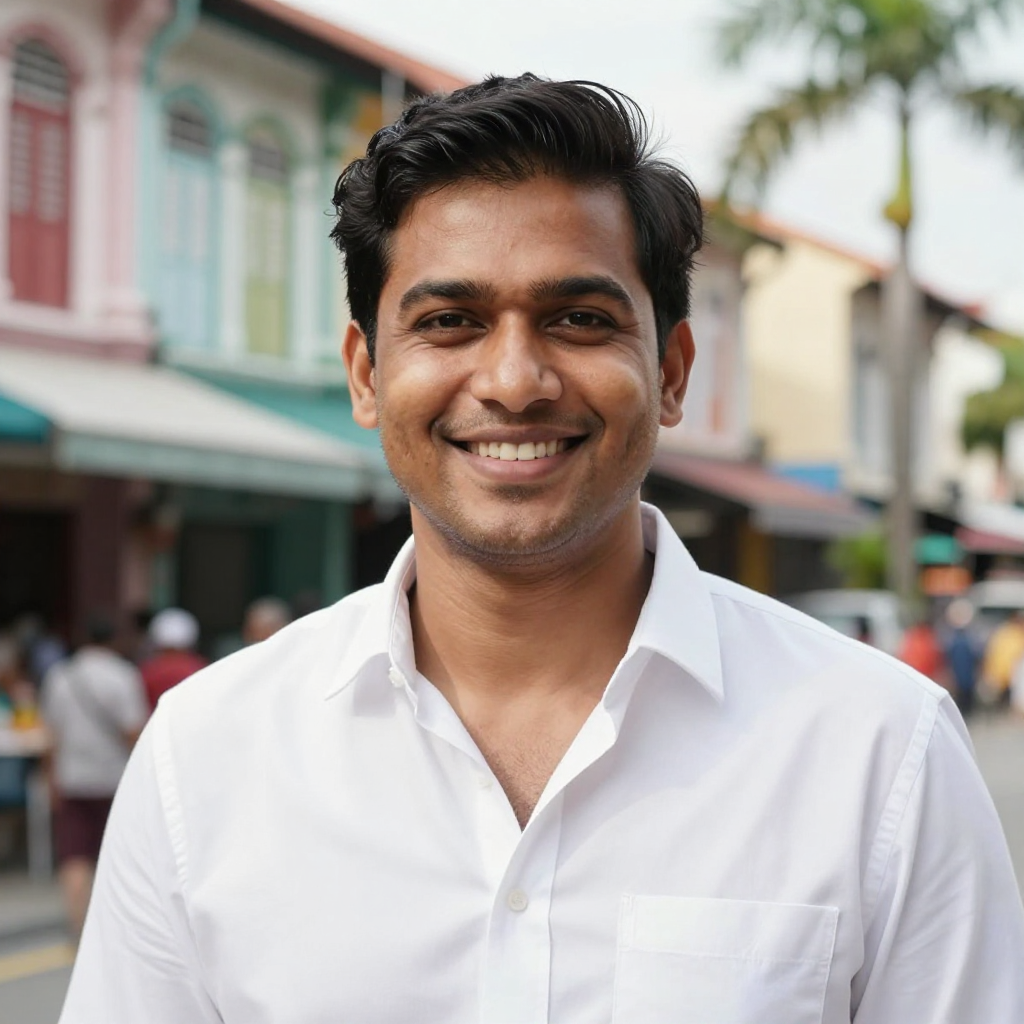

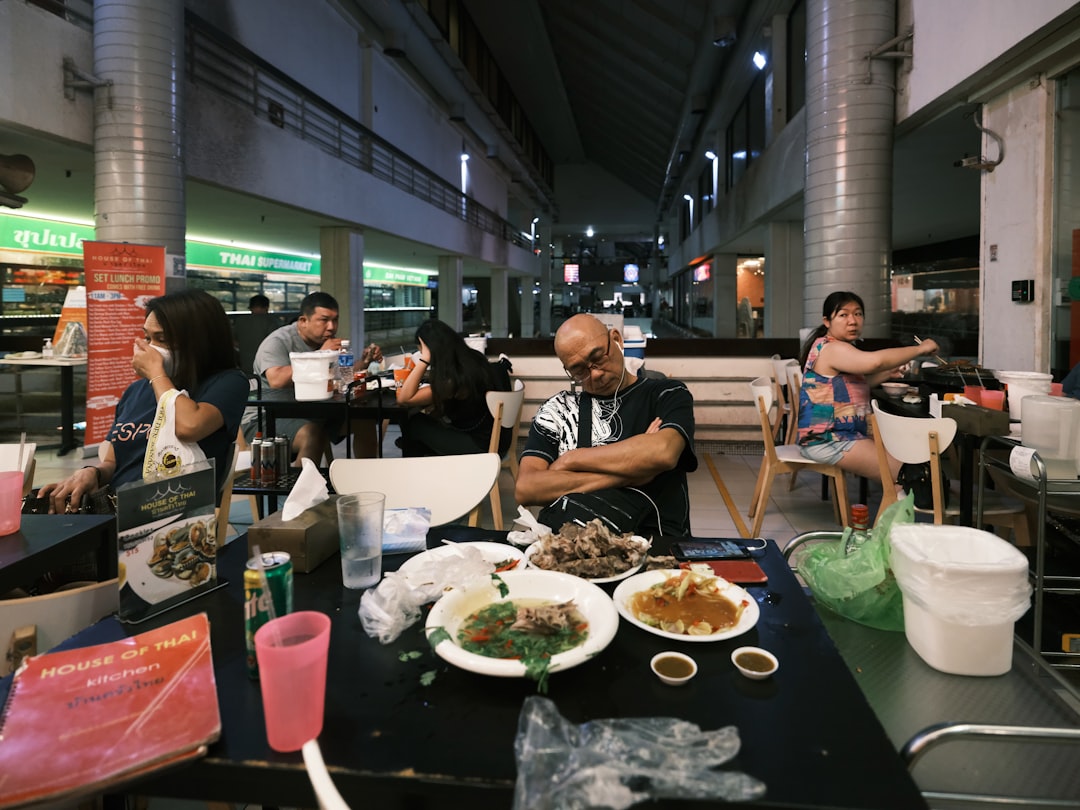
Local flavours from Singapore have arrived on the world’s most competitive menus, and the chefs carrying them there grew up eating at hawker centres in Toa Payoh, Geylang, and Chinatown.
Why local flavours travel so well
Singapore is a small island, but its food identity is enormous. Every neighbourhood holds a different culinary story. Singapore’s culinary scene spans from humble hawker stalls to creative modern Singaporean fine dining establishments and innovative bars, all internationally recognised by lists such as the MICHELIN Guide, The World’s 50 Best Restaurants, and Asia’s 50 Best Restaurants. That range is exactly what makes local flavours so exportable. A chef who grew up with laksa, roti prata, and nasi lemak carries a vocabulary of spice, texture, and aroma that is rare anywhere else in the world.

The foundation is the hawker centre. These open-air food halls are not just places to eat. They are schools. Celebrity chefs Emmanuel Stroobant and Eric Teo have offered insights into modern Asian cuisine and innovation, while local food critic KF Seetoh and Chef Shi Long have celebrated hawker culture and its evolution and preservation. That preservation work matters. When a chef understands the original dish, they can carry its soul somewhere new without losing it.
The dynamism of Singapore’s culinary scene is driven by passionate chefs, bartenders, brewers, and tastemakers who are constantly pushing the boundaries of gastronomy. That push does not stop at Singapore’s borders. It moves outward.
How fusion becomes a creative tool
Fusion is not a new word in Singapore. It describes daily life. Fusion cuisine is thriving, with chefs creatively combining local and international ingredients to offer unique dining experiences. Examples include Sichuan-inspired pasta and Spanish dishes with Asian influences. These combinations are not forced. They grow naturally from a culture where Chinese, Malay, Indian, and Peranakan kitchens have always shared the same streets.
The blending of flavours and cooking techniques from various cultures is expected to result in innovative dishes that tell a story of global flavours. Chefs draw inspiration from diverse culinary traditions, leading to a new wave of hybrid dishes that celebrate inclusivity and creativity in the kitchen. Singaporean chefs do this with confidence because their training began in a place where fusion was already normal.

One strong example is the use of rempah, the spiced paste that anchors Peranakan and Malay cooking. Some chefs have incorporated Peranakan elements into their menus, something seldom seen in global kitchens. The Nyonya berre blanc, made with a lightly spiced and fragrant rempah, shows how this heritage technique can lift an international dish to another level. A French sauce technique and a Peranakan spice base can share the same plate. That is the Singapore approach.
Heritage ingredients on fine dining menus
Heritage ingredients are now moving from hawker stalls to tasting menus. Vibrant concepts celebrate the flavours of the region with bold Peranakan plates that balance nostalgia with a modern edge. Together, they reflect Singapore’s dynamic dining landscape, where global influences and local stories share the same table. These menus show international diners what rempah, buah keluak, pandan, and sambal can do in a fine dining context.
Chef Damian D’Silva has been a guardian of Singapore’s culinary traditions and recently launched a new restaurant at the National Gallery. The restaurant stays rooted in heritage flavours while doubling as a personal tribute to his grandfather, to whom he credits the inspiration for many of his treasured recipes. This approach, where a chef’s family history becomes a menu, resonates deeply with diners outside Singapore. It gives a dish a human story, not just a flavour profile.
Chefs are blending traditional Asian and Western techniques to create innovative dishes. There is a noticeable shift towards Asian cuisine, with restaurants integrating more of these options into their menus to cater to evolving tastes. This trend highlights how food acts as a bridge between diverse cultures, enhancing Singapore’s identity as a global food hub.
An industry perspective on local flavours and global reach
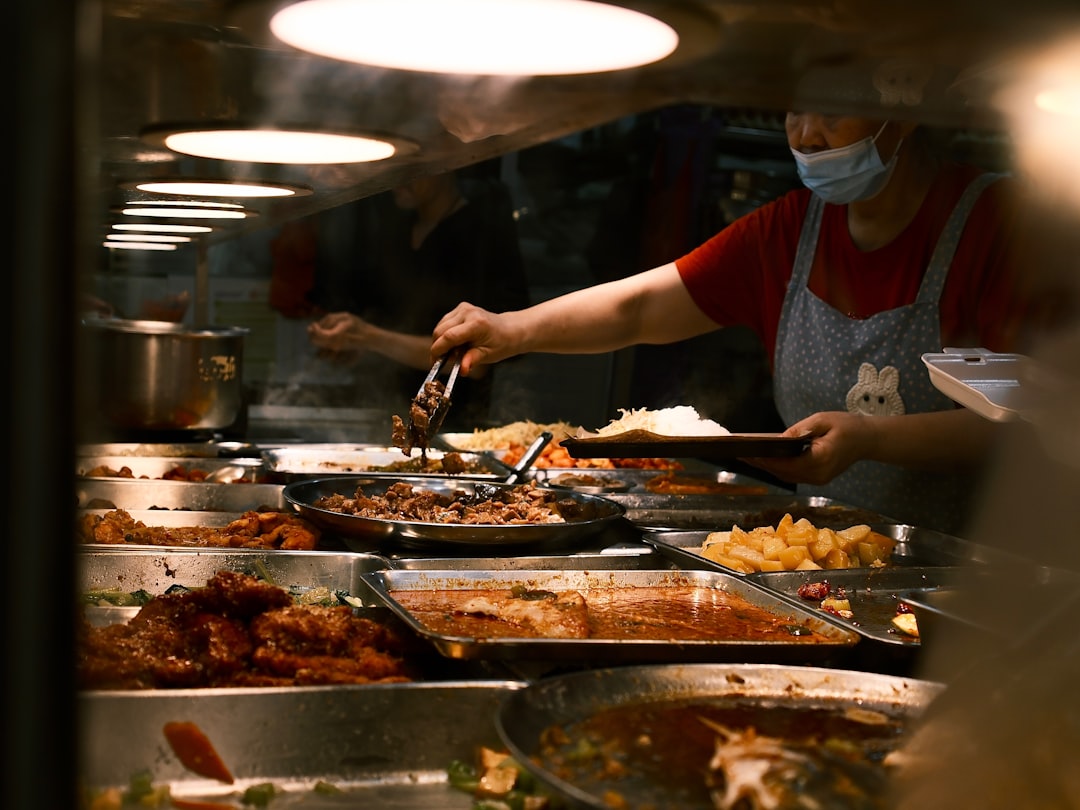
Singapore’s food culture has always been a meeting point. Our chefs do not choose between local and global. They use local as a lens to interpret the world. A hawker dish is not a limitation. It is a starting point. When a chef takes the umami of a good fish sauce or the heat of a well-made sambal and applies it to a European technique, the result is something nobody else in the world can quite replicate. That is the competitive advantage Singapore chefs carry when they open a restaurant in London, Sydney, or New York. The world is hungry for food with a real identity. Singapore has that in abundance. Heritage is not nostalgia. It is innovation with a memory.
Industry perspective, culinary and food culture professionals in Singapore
Singapore on the world stage
The Singapore Tourism Board collaborates with content creators from key markets including Australia, China, India, Indonesia, and the United States to produce content that showcases how Singapore puts a unique spin on global culinary movements. These creators explore a wide range of experiences, from heritage dishes in traditional hawker centres to innovative fusion creations in restaurants and bars. This global storytelling effort supports the chefs who are already doing the work on the ground.
The first-ever overseas award ceremony for the Black Pearl Restaurant Guide was hosted at Marina Bay Sands in 2025, and Singapore achieved a record high of 16 restaurants in the winning lineup. Awards like these confirm what many food lovers already know. As a melting pot of diverse culinary traditions and a hub for innovation, Singapore provides the perfect backdrop for global culinary leaders to exchange ideas, showcase expertise, and shape the future of the industry. Singapore continues to strengthen its reputation as a global food capital.
Learning and development opportunities for Singapore’s culinary talents include exchange programmes where emerging chefs are attached to award-winning international establishments and vice versa. These connections send local flavours further into the world with every new generation of cooks.



Local flavours will keep shaping what the world eats
Local flavours from Singapore are not a trend. They are a permanent part of global cuisine now. Every chef who plates a buah keluak dish in Paris or stirs rempah into a broth in Melbourne carries decades of hawker culture with them. That is not decoration. That is identity. Singapore chefs bring local flavours to the table with skill, history, and a point of view that no other food culture can copy.
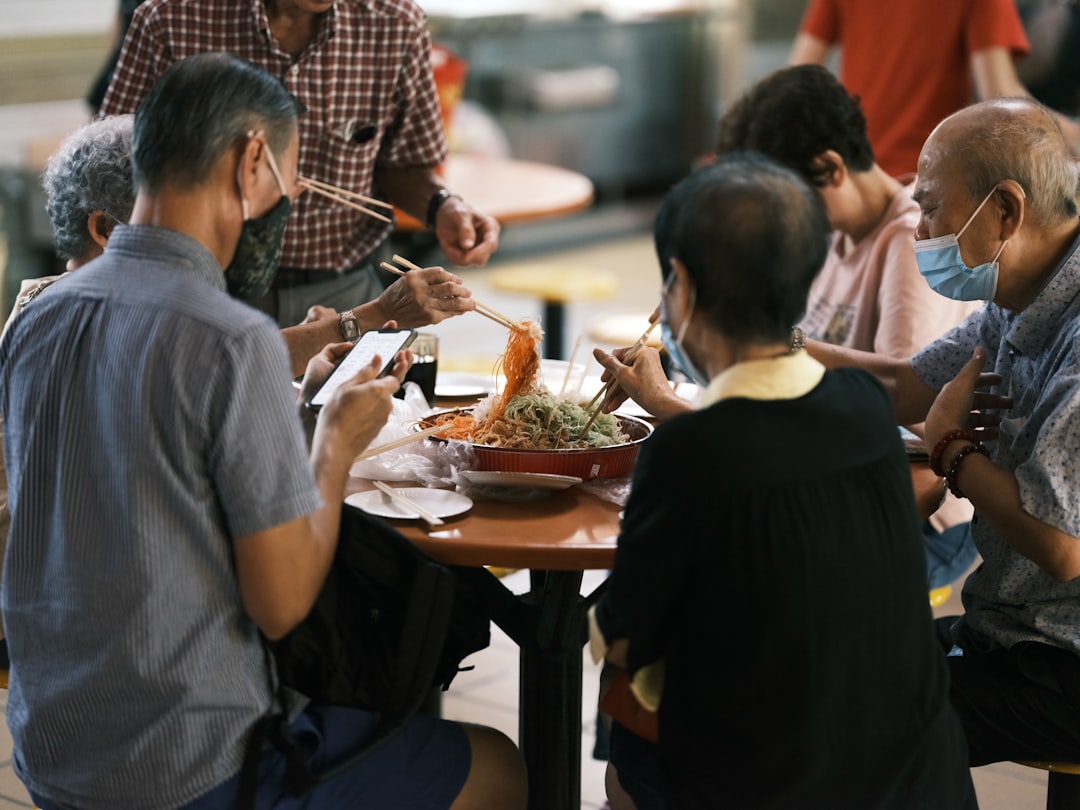
If you live in Singapore, go eat at your nearest hawker centre this week. The dish in front of you may one day appear on a menu 10,000 kilometres away. Share this article with someone who loves Singapore food, and let them know why local flavours matter more than ever.

Discover more about local flavours
- Singapore Tourism Board: Culinary Capital Campaign
- MICHELIN Guide Singapore: New Restaurants
- Time Out Singapore: Singapore’s Global Restaurant Recognition