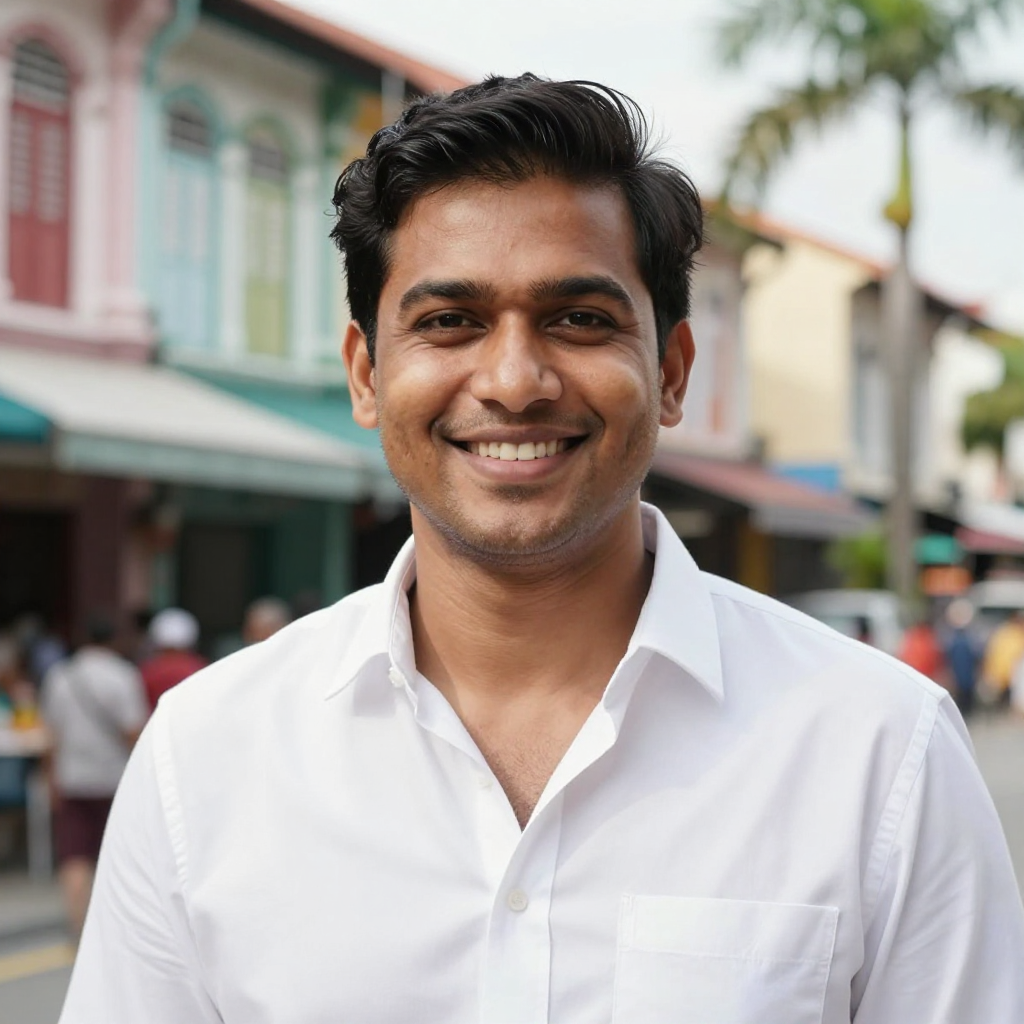

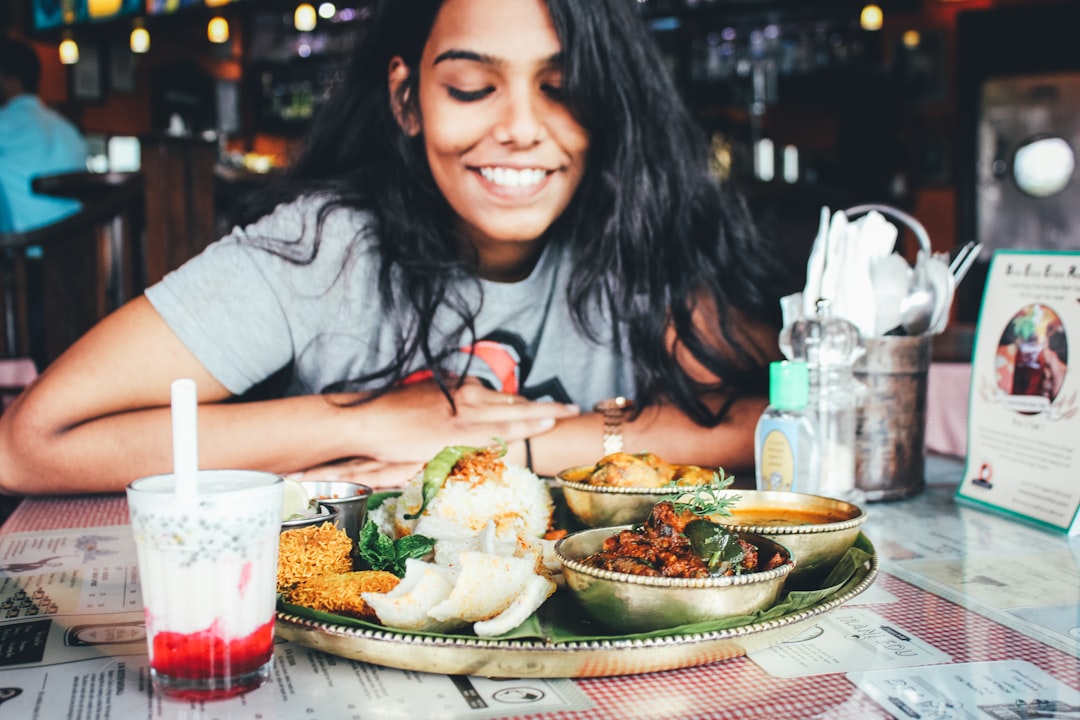
Singaporean expat life has always been about more than careers and clean apartments abroad. It is about carrying a whole identity outward, one bowl of laksa, one festival, one neighbourhood at a time.
How Singaporean expats settle into new neighbourhoods
Singaporean expats do not simply move into a city. They reorganise it, slowly and steadily, around the habits they carry from home. The first thing many do is find the closest thing to a food court. Then they find people who understand what “chope” means. Then they build something that feels like a neighbourhood.
According to official statistics from the Government of Singapore, 221,600 Singaporeans overseas continue to retain their citizenship as of 2025. The diaspora is concentrated in Malaysia, Australia, the United Kingdom, the United States, Indonesia, and China. These are not random clusters. They are communities with weight, memory, and culture.
Most Singaporeans abroad are high-income professionals who bring their families with them. They seek neighbourhoods with good schools, efficient transport, and access to food that means something to them. Over time, those preferences quietly reshape the areas they choose.
The role of hawker culture in building community
Ask any Singaporean abroad what they miss most, and the answer is almost always hawker food. That craving is not just about taste. It is about the whole experience: the shared tables, the multilingual noise, the speed, and the honesty of a plate of chicken rice that costs almost nothing but means everything.
Hawker centres in Singapore serve as community dining rooms where people from diverse backgrounds share meals at breakfast, lunch, and dinner. That habit of communal eating does not disappear when Singaporeans leave. It travels with them. Singaporean expats actively seek out or create spaces abroad that replicate that social function.

In cities like Melbourne and London, this has produced a quiet but visible food movement. Singaporean-owned cafes and restaurants bring laksa, kaya toast, and Hainanese chicken rice to local streets. Neighbours discover these dishes and return. The food becomes a point of contact between communities.
How festivals and traditions travel with the diaspora
Singaporean identity is layered. A Singaporean is often Chinese, Malay, Indian, or Eurasian, and also, strongly and separately, Singaporean. That dual identity means the diaspora carries multiple cultural traditions at once. Chinese New Year, Deepavali, Hari Raya, and National Day celebrations all appear in cities where Singaporean communities settle.
These events do more than mark a calendar. They invite local residents into a world they may not have encountered before. A Deepavali open house in a Melbourne suburb or a Singaporean National Day barbecue in North London introduces neighbours to a culture that is both Asian and distinctly its own.
The Singaporean identity was built specifically to help different groups integrate while preserving the culture and traditions of each community. That model of integration, practiced at home for generations, travels abroad with those who carry it. Singaporean expats tend to integrate well into new cities precisely because integration is a skill they learned young.



Expert perspective on diaspora and neighbourhood change
The Singaporean diaspora carries something rare: a genuinely multicultural identity that is not theoretical but lived every day. When Singaporean expat communities settle in a new city, they do not simply transplant one culture. They bring a whole practice of coexistence: the ability to eat at the same table with people of different religions, languages, and backgrounds without any of that being remarkable. This is not something most diasporas can claim so naturally. The neighbourhood impact is therefore not only about food or festivals. It is about a set of social habits that tend to soften divisions in the streets and buildings around them. Cities that host Singaporean communities often find that those communities become informal bridges between other migrant groups and the local population.
Industry perspective, cultural identity and diaspora research professionals
What Singaporean expats look for in a neighbourhood
Singaporean expats choose their neighbourhoods carefully. They look for density, convenience, and diversity. They are comfortable in busy urban environments because Singapore itself is one of the most urban places on earth. They also look for schools, which matter enormously in a culture that places high value on education.
Areas with strong transport links, food markets, and a mix of residents attract Singaporean families. In many cities, these areas are also the places where other Asian communities have already settled. Singaporean expats often become a connective layer between those communities and the broader local culture.
Beyond logistics, Singaporean expats look for a sense of neighbourhood warmth. In Singapore, hawker centres and HDB estates are designed to bring strangers into contact. That design philosophy produces people who are comfortable with proximity, with shared spaces, and with the small social rituals of community life.

The lasting mark on city culture
The influence of Singaporean expat communities on neighbourhood culture is gradual but real. A Singaporean-run coffee shop that serves kopi and kaya toast changes the morning routine of a block. A Singaporean family that organises a street event for Chinese New Year introduces a tradition to an entire postcode. A Singaporean professional who mentors local colleagues brings a specific work ethic and cultural fluency to an office and a neighbourhood.
Over time, these actions accumulate. Singaporean expat communities leave marks that outlast their individual stays. The food stays. The festivals stay. The social habits of sharing, of communal dining, of comfortable coexistence, stay long after any single family has moved on.

Conclusion: the small red dot keeps growing outward
The Singaporean expat story is not one of isolation or nostalgia. It is a story of active cultural contribution. Wherever Singaporean expat communities land, they carry a model of multicultural life that is practical, warm, and deeply practiced. That model changes neighbourhoods, one shared table at a time. If you live in a city with a Singaporean community nearby, find your way to their table. You will understand very quickly why the small red dot leaves such a large mark, and why the Singaporean expat spirit is one of the most quietly powerful forces in global city culture today.
Have a story about a Singaporean expat community in your city? Share it with us at SINwebzine.
Discover more about Singaporean expat
- Singaporean Diaspora Overview (Wikipedia)
- Singapore’s Migration Controls and Population Policy (Migration Policy Institute)
- How to Eat Like a Local at Singapore Hawker Centres (Forbes, December 2025)