
Home humidity in Singapore sits at roughly 85% in late August, and inside people’s flats and condos, that number shapes every single design decision worth making this season.
Why late August is the real test for your home
August falls within Singapore’s Southwest Monsoon season, when rainfall increases and thunderstorms arrive frequently. Inside homes, this outdoor pressure translates into something residents feel immediately: damp air that clings to surfaces, fabrics, and furniture. Relative humidity during August ranges from an average maximum of 93 percent to an average minimum of 64 percent throughout the day. That wide swing creates a constant challenge for interior spaces.

Singapore’s proximity to the equator and maritime exposure create a climate where humidity rarely dips below 70%, and this environment accelerates mould growth, warps untreated wood, and compromises structural integrity. Most residents learn this the hard way, usually after noticing a swollen cabinet door or a suspicious dark patch on a wall. The good news is that smart design prevents nearly all of it.
Singapore homeowners increasingly prefer warm, comfortable spaces over cold minimalist designs, and space efficiency together with humidity-resistant materials are now considered critical for long-lasting homes. This is not a trend. It is a direct response to the climate.
The materials that actually survive Singapore’s heat
The first area where home humidity forces real decisions is material selection. Designers recommend prioritising moisture-resistant substrates for carpentry, including marine plywood and treated MDF, water-resistant flooring such as vinyl SPC and porcelain tiles, mould-resistant paints, and non-porous countertop surfaces like quartz and sintered stone. Each of these choices costs a little more upfront and saves considerably more later.
For furniture to survive the average 70 to 90% humidity without warping or splitting, its construction is just as important as the material itself. Solid tropical hardwoods perform far better than engineered alternatives in humid conditions. The best wood for furniture in a humid climate like Singapore is a tropical hardwood that is naturally rich in oils and dense, as these characteristics provide inherent resistance to moisture, warping, cracking, and pests.

Additionally, quality hardware with anti-corrosion coatings extends the lifespan of cabinets and doors in Singapore’s humid environment. Residents often overlook hinges, handles, and drawer runners, yet these small components fail first when moisture takes hold.
Ventilation: the design choice most people underestimate
Good ventilation is the single most powerful tool in the fight against home humidity, and it costs far less than replacing warped furniture. Tropical interior design focuses on blurring the lines between indoor and outdoor spaces. It incorporates materials, colours, and features that complement the warm and humid climate while maximising natural light and ventilation, and by focusing on natural elements and open layouts, it creates a serene, airy environment that reduces the need for artificial cooling.
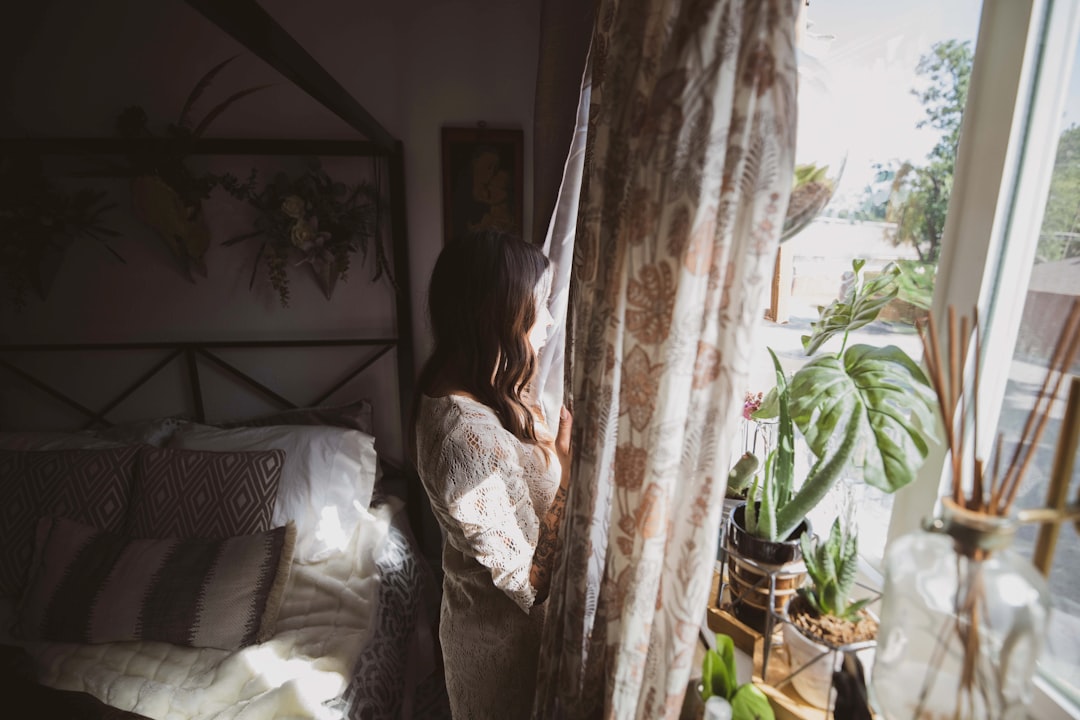
Designers recommend incorporating passive ventilation designs, such as ventilated wall cavities and moisture-wicking fabrics, to reduce indoor humidity naturally. These approaches work quietly in the background, removing moisture before it settles on surfaces. Sheer curtains instead of heavy drapes, open shelving instead of closed cabinetry in living rooms, and ceiling fans running daily all contribute to consistent airflow.






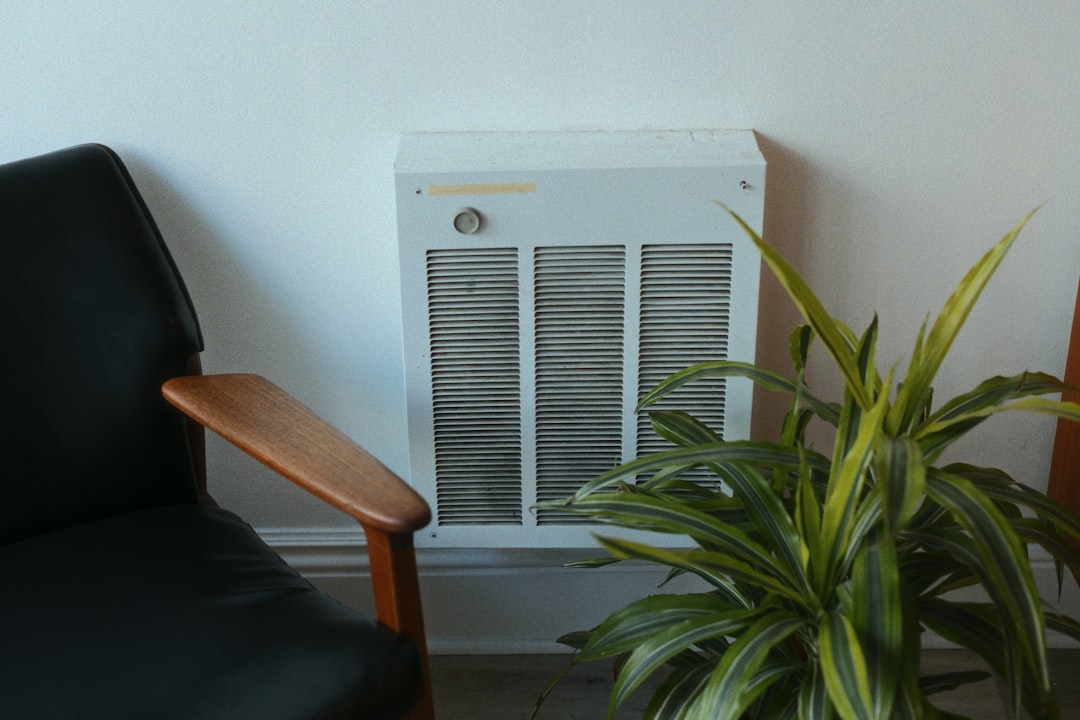
Solid wood furniture should never be placed directly under an air conditioning vent or near windows that receive direct, intense sun, as rapid changes in temperature and humidity cause cracking. A small gap between the back of large furniture pieces and the wall helps prevent moisture buildup and mould growth. These 2 adjustments take minutes and protect expensive pieces for years.
Expert perspective on designing for Singapore’s climate
Humidity is not a problem you solve once during a renovation and then forget. It is an ongoing condition that a home must be designed to manage continuously. The materials at the surface level matter, but so does every structural decision behind the wall. Moisture-wicking wall cavities, treated substrates, and deliberate gaps behind joinery are non-negotiable in this climate. Homeowners who treat humidity as an afterthought spend two to three times more on repairs within 5 years than those who address it from the start. A well-designed Singapore home does not fight the climate. It works with it. That distinction changes everything about how a space performs over time.
Industry perspective, interior design and humidity-resistant materials professionals in Singapore
How layout choices reduce moisture at home
Layout decisions affect home humidity more than most residents expect. In humid Singapore, some materials require extra upkeep, and poor layout choices can create more stress than style. Designing for actual lifestyle is essential. Heavy curtains, dark walls, and bulky furniture near windows can make a flat feel gloomy and smaller than it is.
Compact bathrooms benefit from space-saving solutions such as wall-hung vanities, which free up floor space, recessed niches that eliminate protruding shelving, and frameless glass shower screens that maintain visual openness. Even small bathrooms can feel more spacious and functional as a result. Open floor space also means air can circulate freely, which directly reduces surface condensation.
Ideally, indoor humidity levels should be between 40% and 50%. Achieving that in late August requires a combination of layout, materials, and active management. A dehumidifier placed in a bedroom or study pulls the indoor level back into a comfortable range within hours, and the difference in sleep quality alone makes it worth the investment.
Small upgrades with the biggest impact
Not every solution requires a full renovation. Several affordable changes deliver immediate results. Mirrors, sheer curtains, and lighter colours brighten a flat and prevent the heavy, closed feeling that traps moisture. While DIY approaches can seem cost-effective, bad layout choices often lead to expensive fixes later, and advice from a designer or space planner is worth seeking especially in smaller units where every centimetre counts.
For a small area like a cabinet or wardrobe, a disposable dehumidifier or charcoal sachets can help remove excess moisture and prevent mould and mildew. These cost almost nothing and protect clothing, books, and electronics that are particularly vulnerable during August. Placing them inside shoe cabinets and behind stored luggage is equally effective.
Finally, high humidity, multi-generational living, and rental yield considerations all shape style choices in Singapore. Timber swells and fabrics fade, yet everyone still wants natural light and large windows. The solution is not to abandon those preferences but to choose materials and layouts that deliver them safely.

Home humidity is a design brief, not a problem
Home humidity in Singapore is not a seasonal inconvenience. It is a permanent feature of living here, and the residents who treat it as a design brief rather than an obstacle end up with spaces that are more beautiful, more durable, and more comfortable in every month of the year. Home humidity shapes the material palette, the layout strategy, the ventilation plan, and even the furniture placement in every well-designed Singapore home. Start with 1 room, apply the principles above, and the results will speak for themselves. SINwebzine readers who want to take it further should consult a certified interior designer who specialises in tropical climates: the investment in a proper brief pays back every August.
Discover more about home humidity
- NEA Relative Humidity Data for Singapore
- Singapore Humid Climate: Luxury Home Solutions and Moisture-Resistant Design
- Complete Interior Design Guide for Singapore Homes