
Singapore running is at its best in September, and the city belongs entirely to you before the Formula 1 crowds land in October.
Why September is the right month for runners
September sits in a sweet spot for anyone serious about Singapore running. The morning temperature drops just enough to make early starts feel rewarding. Hotel prices stay normal. The streets around Marina Bay and Kallang are still open and calm. Runners who know this city well plan their best efforts for this window every year.

The Formula 1 Grand Prix weekend fills the city from 9 to 11 October. Grand Prix Season Singapore 2026 runs from 2 to 11 October, bringing 10 days of race-themed festivities to the lead-up period. That means large crowds, road closures near Marina Bay, and hotel rates that climb fast. September gives you everything October cannot: space, quiet routes, and a city that still feels like yours.
The weather does not cooperate perfectly in any month here, but September mornings reward runners who start before 7am. The humidity is high, but the air is cooler than it will be at midday. Carry water, know your route, and reward yourself with kopi and kaya toast at the nearest kopitiam after.
The race calendar fills fast this month
The Pocari Sweat Run falls on 5 September, followed by the Garmin Run on 25 October. Between those 2 anchor events, September holds several key races that suit different fitness levels and goals. The Pocari Sweat Run starts at 6.10am at Stadium Roar and Stadium Riverside Walk. That location in Kallang puts you on one of the most scenic stretches of waterfront in the city, with the Singapore Sports Hub as a backdrop.
The Yellow Ribbon Prison Run takes place on 20 September at The Kallang, from 7am to 12pm. This event carries real meaning. The Yellow Ribbon Prison Run supports second chances and encourages the community to support ex-offenders as they rebuild their lives. Runners here are not just chasing a personal best. They are part of something larger.

The inaugural Kiprun race by Decathlon makes its Singapore debut on 27 September at Decathlon Singapore Lab near the National Stadium in Kallang, offering a 21.1km half marathon, 10km, 5km, and a 670m Kids Dash. This is a strong option for runners who want a competitive half marathon before the city shifts its attention to motor racing.
The best routes to train on right now
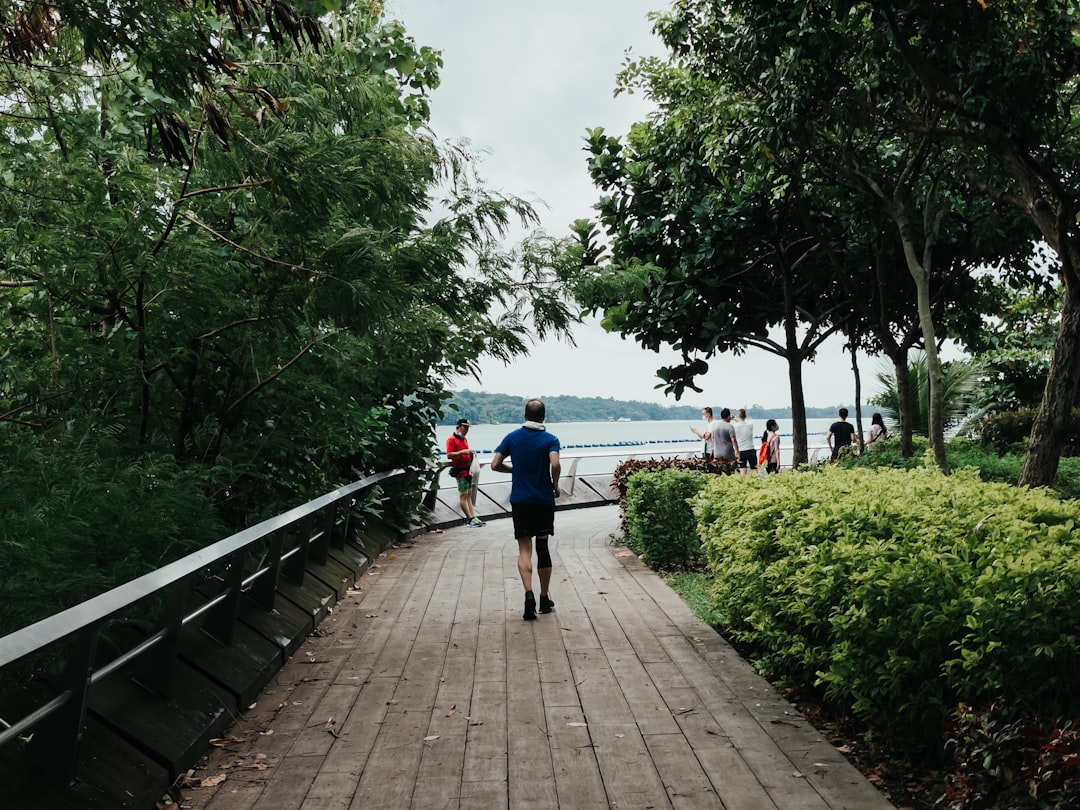
Training for September races means choosing routes that work in the heat. East Coast Park is the first answer for most Singapore runners. Singapore offers running routes amid an urban skyline with lush greenery, suited to both novice joggers and seasoned marathoners, from serene park settings to scenic waterfront runs. The park road along East Coast runs for several kilometres with sea breeze on one side and food stalls on the other.
The second answer is the Park Connector Network. The Park Connector Network is a system of walking, running, and cycling paths that connects parks and green spaces across Singapore, managed by the National Parks Board. As of 2025, there are 94 park connectors across the island. You can string several connectors together and cover 10 to 20 kilometres without touching a main road.
The Kallang Riverside Park Connector is the insider choice for September training. It links the waterfront near the Sports Hub with the Singapore River and connects to the city centre. Run it before sunrise and you will have the path mostly to yourself. Finish at a hawker centre in Geylang or Lavender for a proper post-run meal. That is the Singapore running experience that no race pack can give you.
Expert perspective on Singapore’s running culture
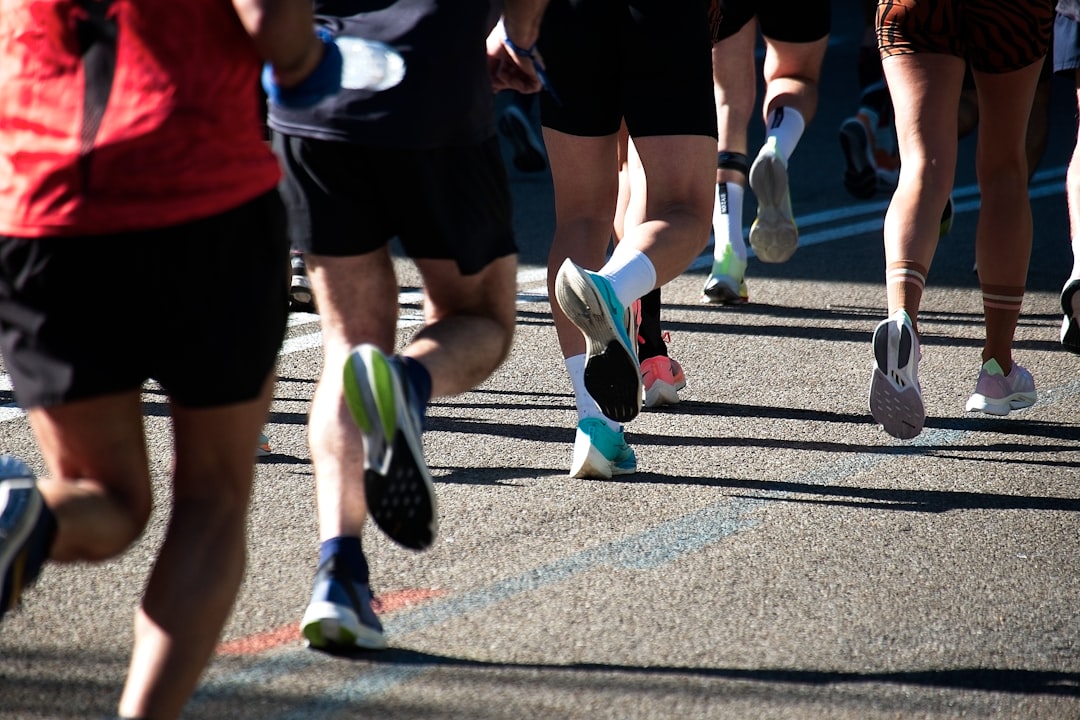
Singapore’s running community has grown into one of the most organised in Southeast Asia. The race calendar now covers every level of runner, from a child doing a 670-metre kids dash to a club runner targeting a sub-90 half marathon. What stands out in September specifically is how the community clusters around Kallang. The Sports Hub precinct has become a hub not just for events but for daily training. Runners gather there in the early mornings, share routes on community apps, and then move to nearby hawker centres together after their sessions. This combination of organised sport and neighbourhood food culture is very specific to Singapore. It does not exist in the same form anywhere else in the region. Fitness here is social, local, and tied to the texture of the neighbourhood.
Industry perspective, running and sports events professionals in Singapore
Recovery and food: the part most guides skip
Recovery is where Singapore running culture truly separates itself from any other city. After a long route along the Southern Ridges or a tempo session at Bishan Park, the reward is very specific. A bowl of Teochew porridge at a Toa Payoh coffee shop. A plate of fish soup at the Bendemeer Market. Iced barley water from a hawker stall near the finish line.
Local runners treat food as part of the training plan, not separate from it. A hawker meal after a morning run costs 4 to 6 dollars and delivers the carbohydrate, protein, and salt that recovery requires. This is not a theory. It is what thousands of Singapore runners do every weekend without reading a nutrition guide.
Sleep and shade matter equally. If you train in September, plan your routes to include shaded stretches. Bukit Timah Nature Reserve, the Central Catchment trails, and tree-covered paths along Bedok Reservoir all offer relief. Save the open waterfront routes for early morning and shift longer efforts to shaded loops later in the week.
What changes when October arrives
The Formula 1 Singapore Grand Prix takes place from 9 to 11 October at the Marina Bay Street Circuit. The weeks around it change how runners can move through the city. Roads near Marina Bay close. Crowds fill hotels. The running routes that feel quiet in September become inaccessible or crowded from early October.
This is not a complaint about the Grand Prix. It is a reason to use September well. Complete your target race, bank your long training runs, and explore the routes that will be harder to access once the race weekend preparation begins. The Formula 1 Singapore Grand Prix 2026 will also feature an inaugural Sprint format, which adds to the excitement but also extends the footprint of road closures and event staging around Marina Bay.




The smart approach is to treat September as a complete fitness month and October as a spectator month. Both are excellent in different ways. The city does both very well.
Use September: your Singapore running window is open
Singapore running belongs to the community in September. The races are meaningful, the routes are open, and the hawker centres are waiting at every finish line. This is the month to register for a race you have delayed, to run a route you have not tried, and to experience the city at its most active before the Formula 1 weekend reorders everything.
Sign up for at least 1 September race today. Share your route on the local running community boards. Then order a proper hawker meal and plan the next one. Singapore running season does not wait, and neither should you.
Discover more about Singapore running
- Running Routes in Singapore: Where to Run
- 52 Running Events in Singapore for 2026: Full Race Calendar
- Singapore Marathons and Running Events 2026
[End of deliverables]