
Peranakan culture sits at the heart of Singapore’s identity, and once you look past the tourist highlights, a living world of festivals, rituals, and community spaces opens up across the whole island.
Who the Peranakans are
The Peranakans, also known as Baba-Nyonya, are a community born from the marriage of Chinese traders and local Malay women centuries ago. The word “Peranakan” comes from the Malay word *anak*, meaning “child,” and loosely translates as “local-born.” Chinese Peranakans are the majority, but there are also Peranakan communities of Arab, Indian, and Eurasian backgrounds.
Singapore’s Peranakan culture is a unique blend of Chinese, Malay, Indonesian, and colonial influences, prominently showcased in the Katong and Joo Chiat neighbourhoods and the Peranakan Museum. Far more than just a heritage group, the Peranakans played an important role in shaping modern Singapore.
The community continues to celebrate and pass on its heritage, from cooking classes to cultural events, keeping the nyonya and baba traditions alive rather than freezing them in a museum. This active preservation is what makes Singapore’s Peranakan scene so rewarding for anyone who explores it seriously.
Key festivals to mark on your calendar
The Peranakan community celebrates a mix of Chinese and Malay festivals, with unique traditions that set them apart. Chap Goh Meh, the Peranakan version of the Lantern Festival, falls on the 15th day of Chinese New Year. Families gather, lanterns light the evening, and the mood is warm and communal. It is one of the most accessible entry points into the festival calendar.
The Sarong Kebaya Festival is a community event that brings together participants from Singapore, Malacca, and Penang to celebrate traditional dress, crafts, and heritage. The festival features workshops, a bazaar with kebayas, sarongs, batiks, jewellery, porcelainware, and merchandise from multiple vendors. If you want 1 event that combines fashion, food, and craft knowledge, this festival delivers all 3.

The Singapore Heritage Festival also dedicates programming to Peranakan traditions, hosted at the Peranakan Museum. Visitors follow interactive gallery trails, complete challenges to win merchandise, and join a community music jukebox featuring popular Peranakan tunes, with surprises and heritage activities spread across a full month.
Rituals and traditions worth understanding
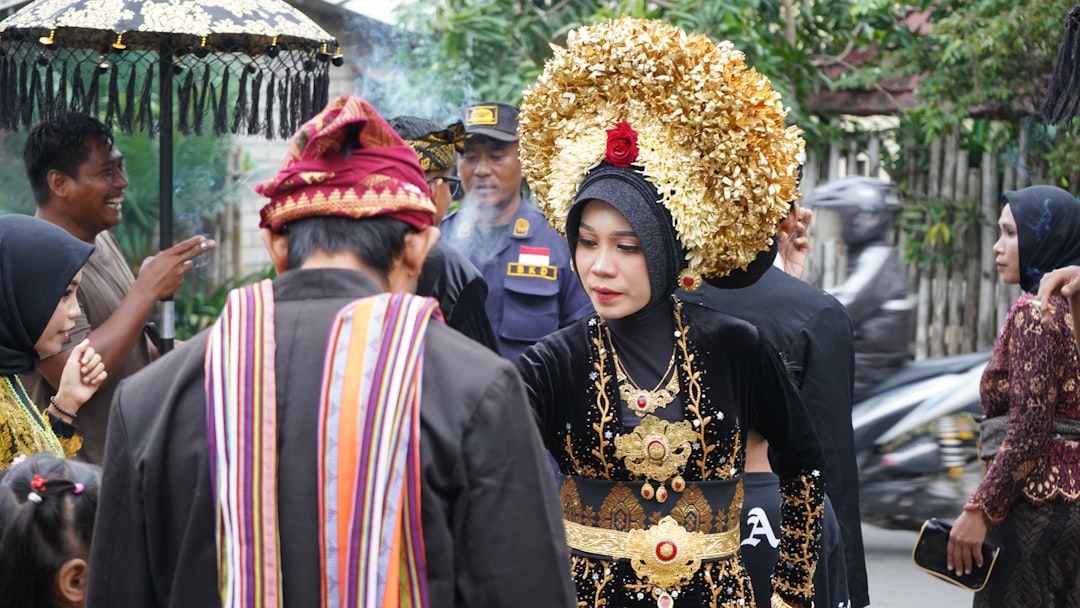
Peranakan weddings are grand affairs featuring elaborate ceremonies, colourful wedding attire, and a multi-course feast, including traditional dishes like Nyonya Chap Chye. The traditional Peranakan wedding includes rituals such as the Chiu Thau coming-of-age ceremony and the Lap Chai exchange of gifts.
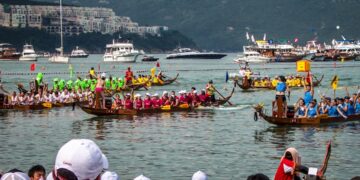
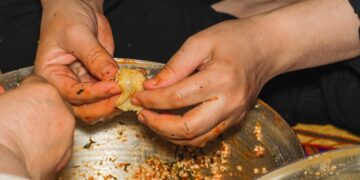
Another important Peranakan tradition is the making of Kueh Chang, a sticky rice dumpling wrapped in bamboo leaves. Visitors can join workshops and learn the art of making these dumplings, which are traditionally prepared during the Dragon Boat Festival. These food rituals carry as much cultural meaning as any formal ceremony.
The Peranakan Museum features interactive exhibits that provide a comprehensive look at Peranakan ways of life, from clothing and jewellery to daily rituals and religious practices. Combining a museum visit with a neighbourhood walk gives you the full picture of how these rituals connect to real community life.



Expert perspective on Peranakan heritage
Peranakan culture in Singapore is not a relic. It is a living, daily practice that shows up in the kitchen, in the clothes people wear, and in the way families mark important moments together. The challenge for any heritage district is to stay real and not become a theme park for visitors. Katong and Joo Chiat manage this because actual families still live above those shophouses, worship in those temples, and hand down recipes in real kitchens rather than cooking classes. The festivals are vital because they create a public moment for the community to assert itself on its own terms. Anyone who attends a Peranakan wedding ceremony, even as an outside observer, understands more about Singapore in 3 hours than a week of standard sightseeing could deliver.
Industry perspective, heritage and cultural tourism professionals in Singapore
Community spaces to visit across Singapore
The Peranakan Museum explores the art and culture of Peranakan communities in Southeast Asia and holds one of the finest public collections of Peranakan objects. It reopened in February 2023 after nearly 4 years of renovation, with new permanent galleries and a more contemporary exhibition design. The museum is housed in the former Tao Nan School, built in 1912 as the first modern Hokkien school in the Straits Settlements.
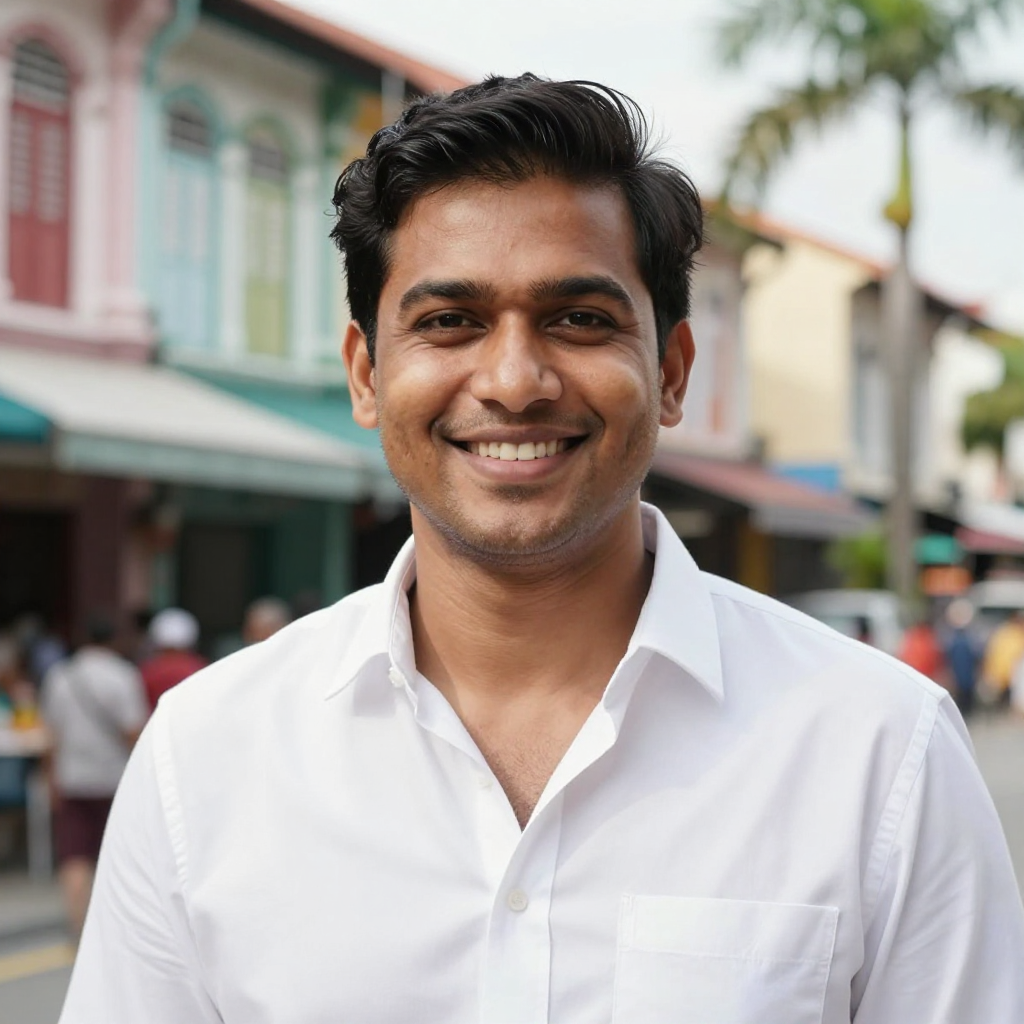
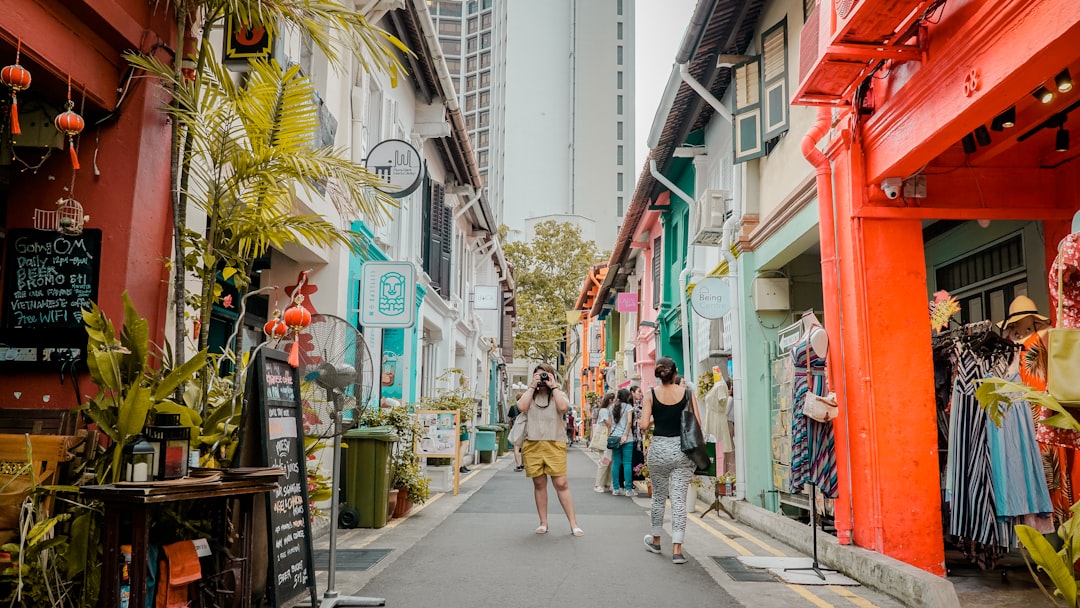
Katong and Joo Chiat are the living home of Peranakan culture in Singapore, a heritage recognised as an important thread in the national story. The Peranakan terraced houses of Koon Seng Road remain intact, and other Katong attractions include Katong Antique House on East Coast Road, Rumah Kim Choo, Rumah Bebe, and The Intan on Joo Chiat Terrace.
The Intan is a private home museum filled with Peranakan antiques and heirlooms. The Marine Parade MRT station on the Thomson-East Coast Line opened in 2024, putting the neighbourhood just 5 minutes from East Coast Road and making access easier than before. Plan at least half a day for the area. You will need the time.
The Arab Peranakans also form a distinct and vibrant community, with activities and performances by the Arab Network at Singapore held in conjunction with the Peranakan Museum’s programmes. The Singapore Heritage Festival draws contributions from the Peranakan Indian (Chitty Melaka) Association Singapore, Arab Network at Singapore, and the Peranakan Association Singapore. These multiple subgroups remind visitors that Peranakan culture is not a single story.
Why Peranakan culture deserves more than a single visit
Peranakan culture is not 1 afternoon at a museum. It is a full calendar of festivals, a network of living neighbourhoods, and a set of rituals that connect food, fashion, and family across generations. Every return visit to Katong, every festival season, and every workshop adds a new layer to your understanding.

The district shows how a neighbourhood can hold onto its identity while adapting. It is not a preserved relic but a working community where families still live above shops, worshippers visit temples, and food traditions are handed down in kitchens. Come back for Chap Goh Meh. Come back for the next Sarong Kebaya Festival. Peranakan culture rewards every return visit with something new to discover.
Discover more about Peranakan culture
- Peranakan Museum, National Heritage Board Singapore
- Peranakan Association Singapore, Events and Community
- Katong and Joo Chiat Heritage Guide, Singapore Spirit