
Sleep reset is the one thing every Singapore resident needs when September arrives, layering record humidity onto the roar of Formula 1 engines until your energy simply gives up and goes to bed without you.

Why September is the hardest month for sleep in Singapore
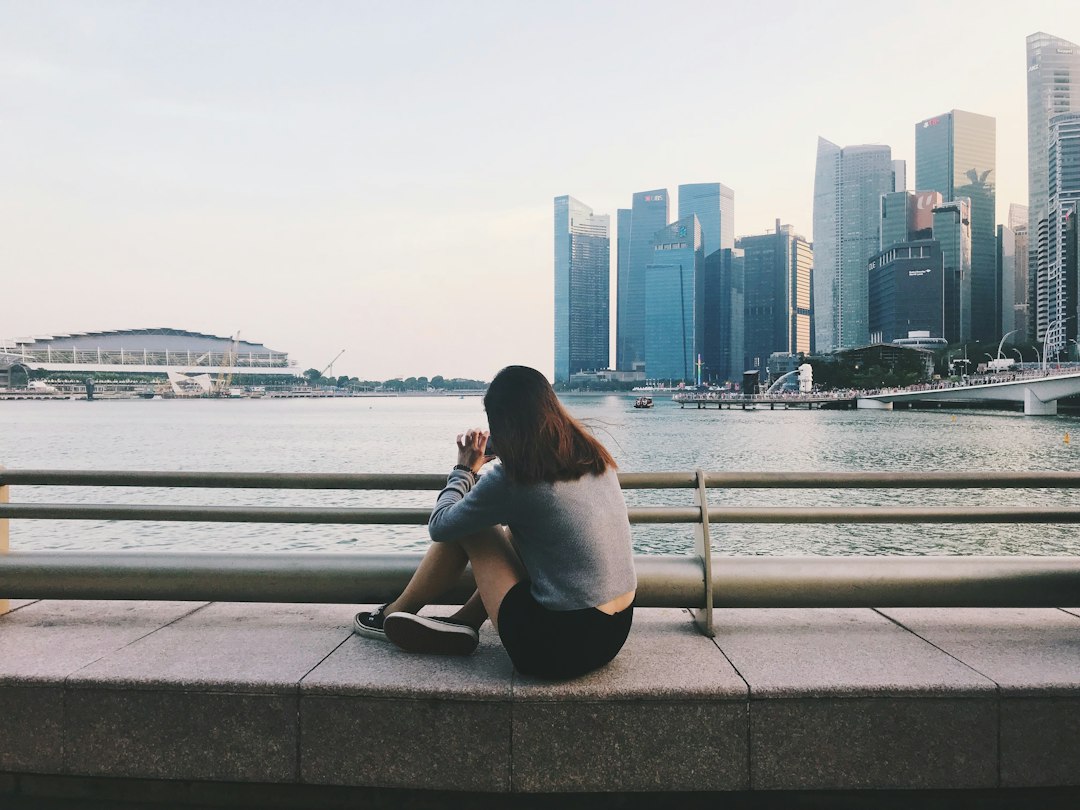
September is not a gentle month here. Singapore sits just 1 degree north of the equator, and the city-state experiences consistently high temperatures year-round, but September compounds several factors that make nights particularly uncomfortable. Then the Formula 1 night race arrives, and the Marina Bay street circuit transforms the civic district into a very loud, very bright outdoor arena.
Sound measurements taken near the straight racing tracks during the Singapore Grand Prix recorded A-weighted noise levels above 95 dBA, with peak values reaching more than 120 dBA. That is not a distant hum. For residents within earshot of the circuit in areas such as Tanjong Rhu, Marina Bay, and the Central Business District, that sound travels. Add concert stages, crowd noise, and hospitality events running past midnight, and the conditions for a sleep reset become urgent.
The city already runs at a relentless pace, the tropical climate keeps temperatures high through the night, and social life tends to extend well into the evening. Race week simply amplifies every one of those pressures at once.
What heat and humidity actually do to your body at night
Before you can fix something, it helps to understand what is breaking. To fall and stay asleep, your body needs to drop its core temperature by approximately 1 to 2 degrees Celsius. In a high-humidity environment, this process is significantly impaired because sweat does not evaporate efficiently when the air is already saturated with moisture.

Singapore’s relative humidity typically ranges between 70 and 90 percent throughout the night, rarely dropping below 60 percent even during the driest months. Your body works harder to cool itself, your heart rate stays elevated, and your sleep becomes lighter and shorter. Your circadian rhythm can also be disrupted by irregular schedules, late light exposure, and inconsistent daily routines. Race week delivers all 3 of those disruptions simultaneously.
Research published in the Singapore Medical Journal notes that Singaporeans are consistently found to be among the most sleep-deprived populations in the world. September does not help that statistic.
Practical steps to build your sleep reset this month
Start with your bedroom environment. Set your air conditioning to between 19 and 22 degrees Celsius. This range does not simply cool the room; it actively supports your body’s core temperature drop. In humid climates, the material of your bedding matters more than thread count. Tencel and bamboo sheets with thread counts between 300 and 500 are ideal for allowing airflow while still feeling comfortable.
Next, address your light and screen exposure. Avoiding screens at least 1 hour before bed is important because the blue light emitted by phones and computers interferes with melatonin production, the hormone that regulates sleep. During race week, the circuit floodlights create an artificial daylight effect across a wide area of the city. Blackout curtains are not optional in those zones. They are necessary.
Fix your schedule and protect it. Set a consistent sleep and wake time, and follow it every day. A consistent schedule regulates your internal body clock, the circadian rhythm, and trains your brain to expect sleep and waking at the same times. Avoid heavy meals within 2 hours of bedtime, avoid caffeine after lunch, and limit caffeine to 1 or 2 beverages a day, no less than 4 hours before sleep.
Expert perspective on sleep, noise, and performance
The cost of one bad night is larger than most people accept
“Good sleep helps all of your metabolic, cognitive, and physical processes. The negative impact of a poor sleep, even for one night, should never be underestimated. The Singapore race is absolutely unique in the demands it places on the body. You have incredibly bright artificial lighting, mid-afternoon wake-ups, and finishes that run past sunrise. It is an incredibly disruptive week for sleep. Managing circadian pressure in this environment requires deliberate, structured intervention, not simply hoping the body adapts on its own.”
Industry perspective, sports performance and sleep health professionals working in high-performance race environments
How to protect your energy when noise is unavoidable
When you cannot control the noise outside, you control the conditions inside. White noise machines or binaural audio at low volume can mask external sound without adding stimulation. Late evening exercise raises your core body temperature close to bedtime, and heavy meals before bed increase metabolic heat production, so both habits work against a successful sleep reset during an already difficult week.
Sleep is not simply about getting enough hours. Our bodies operate on natural rhythms that influence when we feel alert, sleepy, productive, or drained. When these rhythms fall out of sync with our lifestyles, the effects show up in ways we may not immediately recognize. A short walk in morning sunlight, taken before 9 a.m., sends a strong signal to your circadian system that the day has started. This is one of the most effective tools for restoring energy after a disrupted night.






Nutrition supports the underlying biology that makes restful sleep possible, including circadian rhythm regulation. Magnesium helps stabilize nerve and muscle activity and supports the brain’s primary calming neurotransmitter system. Foods such as pumpkin seeds, tofu, and leafy greens are good local sources. They are also widely available at any hawker centre.
Reclaim your sleep reset before October arrives
September in Singapore is genuinely hard on the body, and there is no shame in admitting that. The combination of peak humidity, a relentless social calendar, and race-week noise creates real, measurable disruption to your sleep reset and your energy. The good news is that each step in this guide is small, free, and immediately actionable. Choose your bedroom temperature, protect your bedtime, step into morning light, and reduce late-night stimulation. A consistent sleep reset is not a luxury reserved for Formula 1 teams. It is available to every person in this city, starting tonight.

Discover more about sleep reset
- Singapore Sleep Society: Tips for a better sleep-wake schedule
- Singapore Medical Journal: Chronobiology and sleep health interventions in the community
- Medical Channel Asia: Cooling fixes for hot and humid nights in Singapore