
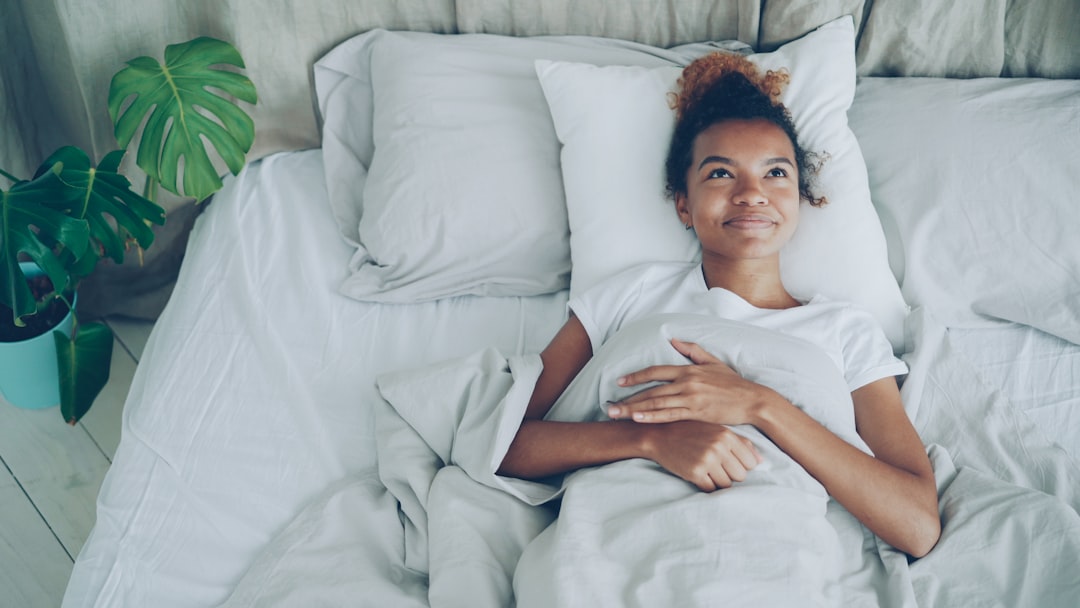
July humidity in Singapore sits around 83% on average, and if you have spent any recent night lying wide-eyed at 2 a.m. with the fan on full blast, that number explains everything you need to know about your current sleep situation.
What July humidity actually does to your body at night
To fall and stay asleep, your body needs to drop its core temperature by approximately 1 to 2 degrees Celsius. In a high-humidity environment, this process is significantly impaired. Sweat, your body’s primary cooling mechanism, does not evaporate efficiently when the air is already saturated with moisture.

High humidity mixed with heat is especially uncomfortable, and the combined effect produces what meteorologists sometimes call the “real feel” temperature. A room sitting at 27 degrees Celsius feels much warmer and stickier if the relative humidity exceeds 80%. So even when the thermostat looks reasonable, your body is not convinced.
High humidity affects the body’s ability to regulate its temperature during sleep because of sweating from the heat, making you feel tired and restless the next day. In short, July humidity is not just uncomfortable. It actively works against the biology of rest.
Why July humidity makes Singapore nights so hard to escape
The relative humidity in Singapore during July ranges throughout the day from an average maximum of 93 percent to an average minimum of 64 percent. Night-time temperatures may remain above 28 degrees Celsius, making for several warm and humid nights. That combination means the bedroom never fully cools between sunset and sunrise.
Singapore’s dense urban development creates what meteorologists call the urban heat island effect. This phenomenon occurs when concrete, asphalt, and buildings absorb heat during the day and release it slowly throughout the night. Research shows that Singapore’s urban areas can be 2 to 7 degrees Celsius warmer than surrounding rural areas, with the effect most pronounced during nighttime hours when natural cooling should occur.

The heat and humidity that define Singapore’s tropical climate mean the body is working harder to stay comfortable even after dark. Add to this the prevalence of bright artificial lighting across the city, from shopping malls and food courts to residential common areas that stay lit well past midnight, and the result is a population whose circadian rhythm is frequently running behind schedule. When your internal clock is misaligned with the actual time, falling asleep becomes genuinely difficult, regardless of how tired you feel.
The bedroom setup that July humidity exposes
The constant heat and moisture in the air can make it difficult to stay comfortable, often leading to restless nights. While many people focus on cooling devices like air conditioners, the role of bedding in improving sleep quality is just as important.
Traditional cotton and synthetic fabrics often fail in these conditions, either trapping moisture during humid periods or failing to provide adequate warmth in air-conditioned spaces. Tencel and bamboo sheets offer a balance of softness and breathability with thread counts between 300 and 500, which are ideal for allowing airflow. These materials are also hypoallergenic and antimicrobial, further enhancing their suitability for Singapore’s climate by preventing bacteria and dust mites that thrive in humid conditions.
Furthermore, when building materials or furnishings are damp over a period of time, mould and bacteria will often colonise these materials, producing microscopic airborne particles that can cause allergies. Dust mites thrive in high humidity areas as they absorb moisture from the air to survive. These allergens cling to fabrics like bedding, mattresses, curtains, furniture, and carpets, which may trigger allergic reactions.
Expert perspective on July humidity and sleep science
Research into Singapore homes confirms that the bedroom thermal environment is a largely neglected factor in public health conversations. Residents often adjust to discomfort rather than addressing the root cause. When bedroom relative humidity consistently exceeds 80 percent, the body cannot complete its natural cooling cycle, which means the deepest and most restorative stages of sleep are cut short. People wake feeling unrested not because they slept fewer hours, but because the quality of those hours was poor. Simple environmental interventions, including targeted dehumidification and breathable bedding, produce measurable improvements in sleep duration and subjective rest quality, even without changes to daily routine or work schedule.
Industry perspective, sleep research and tropical building environment professionals in Singapore
What you can do about July humidity tonight
Sleep researchers consistently recommend a room temperature between 24 and 26 degrees Celsius for optimal rest. The National Environment Agency promotes 25 degrees Celsius as the ideal balance for comfort and energy efficiency. Start there and resist the urge to overcorrect with a very cold setting.






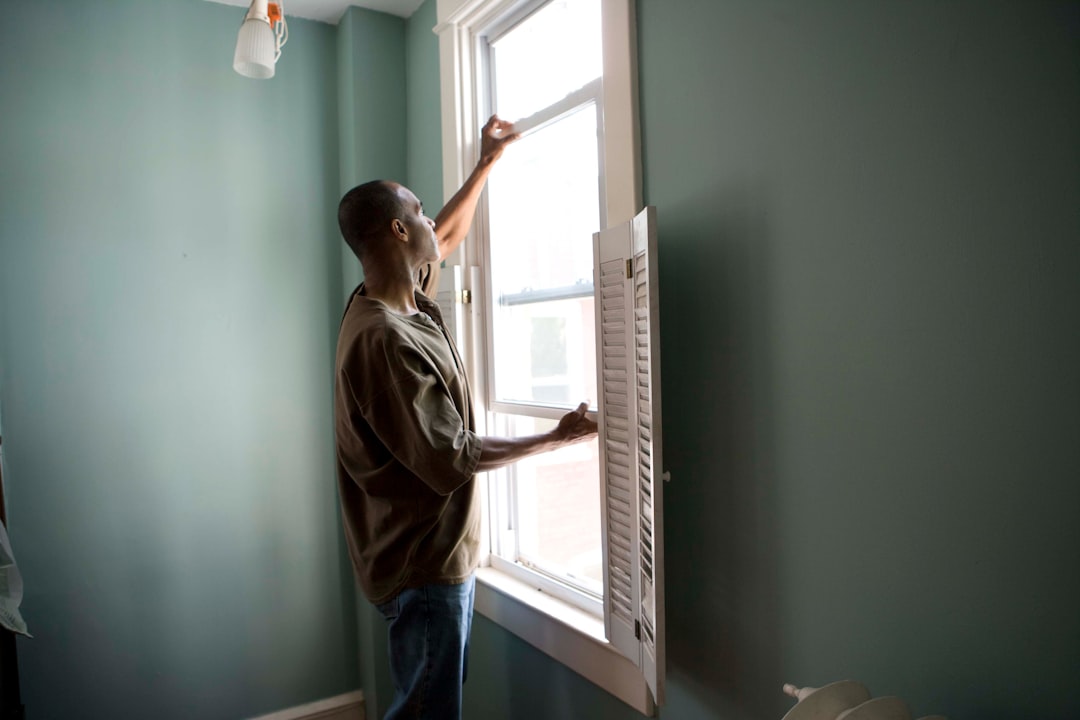
Aim for an indoor humidity level of 50 to 55 percent in your bedroom to prevent mould growth and deter dust mites. Controlling this moisture is vital for health. Positioning your bed near a window or using a dehumidifier can help regulate airflow and reduce moisture in the air, making your bedroom more suitable for sleep.
Simple adjustments to your evening routine can significantly improve how quickly and deeply you fall asleep. Your sleep environment, including your mattress and bedding, plays a major role in managing heat and humidity at night. Natural, breathable materials support deeper sleep in tropical climates without relying solely on air conditioning.
Conclusion: small changes, better sleep, starting tonight
July humidity is a known disruptor of sleep in Singapore, and the science is clear on why it happens. Singapore has appeared in multiple global sleep studies as one of the most sleep-deprived cities in the world. You cannot change the weather outside, but you can change the conditions inside your bedroom tonight. Set your air conditioner to 25 degrees Celsius, use breathable sheets, consider a portable dehumidifier, and keep the room dark and ventilated. July humidity does not have to mean poor sleep. Take 10 minutes before bed to adjust your environment, and notice the difference by morning.
Discover more about July humidity
- National Environment Agency: weather advisories and humidity data for Singapore
- Bedroom Nighttime Temperature, Humidity and Sleep Duration in Singapore Homes (ResearchGate)
- What Singapore should expect from July’s humid nights and storms (Malay Mail)