
Printmaking studios in Singapore are no longer only for art school graduates. Across the island, from riverside warehouses to indie Tiong Bahru spaces, beginners can walk into a single session and walk out with a linocut print, a hand-stitched book, or a screen-printed tote bag they made entirely themselves.
STPI Creative Workshop and Gallery, Robertson Quay
STPI, also known as Singapore Tyler Print Institute, is a creative workshop and contemporary art gallery that specialises in artistic experimentation in print and paper. It sits in a restored 19th-century warehouse by the Singapore River at Robertson Quay. Few spaces in Southeast Asia match its scale or its history.
The 4,000-square-metre facility houses specialised printmaking presses and equipment, a paper mill, a 400-square-metre gallery, a guest workshop, artist studios, and artist apartments. STPI offers screen-printing workshops and classes on paper pulp painting, and also holds workshops on lithography, relief printing, and intaglio for those who want to explore printmaking more deeply.
For a look at the printing workshop itself, visitors can join one of the free guided tours, held at 11.30am on Thursdays and 2pm on Saturdays. This makes STPI a strong first stop even before you book a paid session.
How To Ink, Queenstown
How To Ink is an experimental printmaking studio in Singapore. Duo Stanley and Jessica advocate for the craft of printmaking through beginner-friendly workshops, and they also offer their studio space for independent experimentation. The studio’s name comes from something deeper than English.
The name is taken from the Chinese characters 凹凸印 (Āo Tú Yìn), a style of printmaking based on the yin-and-yang principle of using positive and negative moulds to produce impressions. That philosophy runs through every session. How To Ink provides art and crafts activities covering silkscreen printing, linocut and print, marbling, monoprinting, and papermaking, with live printing services and workshops available across Singapore.
Their Basic Linocut and Printing workshop guides participants through safely carving a linoleum surface, inking, and printing by hand, with the result being an 8-page mini zine. Participants bring home their printed zines and their carved linoleum piece. That is a real, finished object from 1 session.
The Bee’s Knees Press, Tiong Bahru
Tiong Bahru is one of Singapore’s most beloved old neighbourhoods, and it holds one of the city’s most welcoming printmaking studios. The Bee’s Knees Press is an indie, well-equipped printmaking studio located in Tiong Bahru, handling lino, intaglio, and screen printing, and offering services at accessible prices with local expertise.
The space is open to professional and amateur printmakers, artists, and beginners alike. They offer resources, equipment, and workshops to people who do not have access to a studio and who want to practise making prints regularly. This is a community space in the best sense of the term.
The Tiong Bahru location means you can pair a morning session with an afternoon at the neighbourhood’s hawker centre or its well-known independent bookshops. The studio fits naturally into a local Saturday.
Expert perspective on printmaking in Singapore
Printmaking is labour intensive and calls for a different sort of engagement compared to painting. It requires you to move around the workshop, prepare plates, clean, process, experiment, and print. That physical involvement is part of its value. The medium offers a breadth of possibilities precisely because it demands that you solve problems at every stage. The goal is not to replicate what others have done, but to use these traditional methods, such as lithography, etching, relief printing, and monotype, to open new creative dialogue. Spaces that allow beginners to access these methods help revive a disappearing craft and bring new voices into the conversation.
Industry perspective, printmaking and collaborative arts professionals in Singapore
Objectifs, Bugis
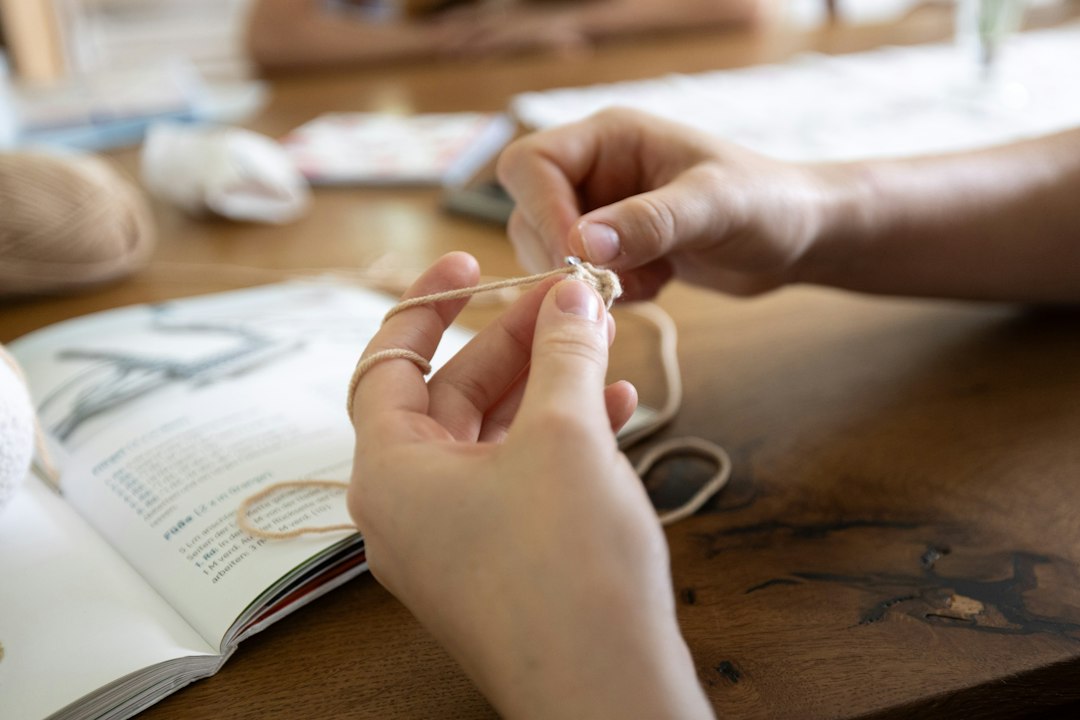
Objectifs is a centre for photography and film in Bugis, and it runs one of the most structured bookbinding workshops available to Singapore beginners. The workshop introduces participants to the traditional practice of bookbinding by hand, and it is suitable for creative professionals, photographers, artists, and hobbyists.
Participants learn several bookbinding techniques, including Japanese 4-Hole Binding, Noble Binding, Tortoise Shell Binding, and Hemp Leaf Binding. All participants also receive a bookbinding tool kit to take home, along with the books they create during the session. You leave with both a skill and a physical object.
The workshop runs over 1 session of 3 hours and is open to beginner-level participants. Bugis is easy to reach by MRT, and the Objectifs space sits in a part of the city that rewards walking before or after a creative session.
Based Book Arts, Geylang
Geylang gets overlooked in many lifestyle guides, but it is one of Singapore’s most culturally layered districts. Based Book Arts is located at 71 Lorong 23 Geylang, on the third floor of a building in the heart of the neighbourhood.

The studio promotes book arts and encourages people of all backgrounds to use the book as a creative medium. It was founded by Yang Shihui, a book artist who holds a Bachelor’s Degree with Honours in Book Arts and Design from London College of Communication, UAL.
Participants learn basic bookbinding skills and how to handcraft a book using the long stitch binding technique. They can customise their books by choosing from blank or dotted grid pages and a variety of colours for the cover and thread, and they bring home the finished product to use as a notebook, sketchbook, or gift. The Geylang setting makes this visit feel genuinely off the tourist track.
Start making something in Singapore
Printmaking studios in Singapore cover a real range of styles, neighbourhoods, and price points. Whether you choose linocut in Queenstown, hand-stitched bookbinding in Geylang, or a screen-printing session near Robertson Quay, every option on this list gives beginners a finished handmade piece after 1 session. These printmaking studios are part of a creative culture that runs alongside Singapore’s food stalls, festivals, and kampung corners. Visit one. You will not regret spending an afternoon with your hands covered in ink.
Discover more about printmaking studios
- STPI Creative Workshop and Gallery, Singapore
- Singapore Art Book Fair Workshops
- Objectifs Bookbinding Workshop