
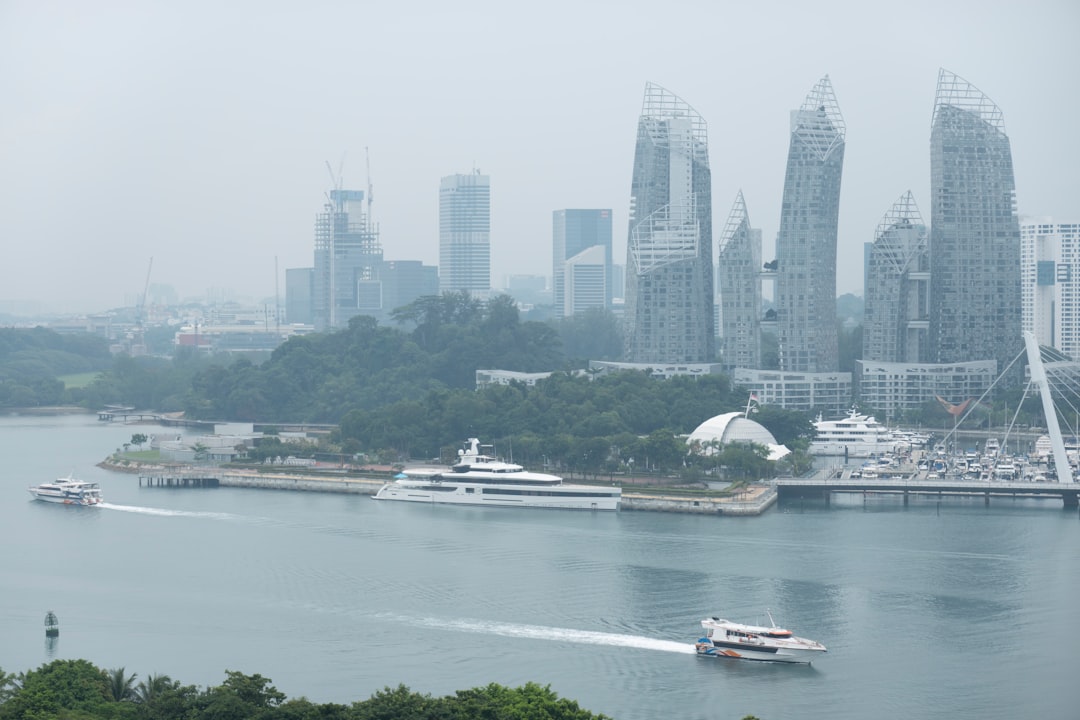
Singapore’s southern islands are one of the city’s best-kept secrets, sitting just offshore but worlds away from the hawker crowds, MRT noise, and air-conditioned malls that most of us call daily life.
How to reach the southern islands
The most practical way to visit Singapore’s southern islands is to take a ferry from Marina South Ferry Terminal, which sits on the North-South MRT Line at station NS28. Exit B puts you directly in front of the terminal building. You can buy ferry tickets from 2 operators: Marina South Ferries and Singapore Island Cruise. Aggregator platforms sometimes offer packages that include food or drink coupons.

A round-trip ticket costs S$14 per person. One ticket covers unlimited same-day island hopping between St John’s, Lazarus, and Kusu, and the return journey is included. Pets, bicycles, and personal mobility devices travel free. If you plan to stay overnight, inform staff when you collect your ticket.
Weekends are busy, so buy your tickets online early to secure a seat. Also note that from 24 April 2025, St John’s Island Main Jetty is closed for repairs, and ferry services are rerouted to Pulau Seringat Jetty on Lazarus Island. The Pulau Seringat Jetty is roughly a 15 to 20 minute walk from St John’s Island itself.
What to do on each island
St John’s Island is the largest of the southern islands and has a rich history. What once housed political detainees and secret society ringleaders is now a popular weekend getaway. It is home to the St John’s Island National Marine Laboratory, making it good for both relaxation and learning. St John’s also has the only overnight lodge in the southern islands, plus gorgeous walkways, beaches, and an intertidal zone for marine life spotting.
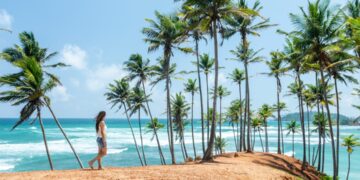
Lazarus Island and St John’s Island are connected by a walkway, so you can stroll from one to the other on foot. Lazarus is famous for its crescent-shaped beach and turquoise waters, making it ideal for swimming, sunbathing, and coastal walks. A kiosk on St John’s Island called Gogreen offers bicycle and kick scooter rental, giving you a fun way to explore the well-paved paths that link both islands.

Kusu Island is known for its Chinese temple, Malay shrines, and turtle sanctuary, combining heritage, spirituality, and quiet coastal beauty. The hilltop Malay shrines require climbing 152 steps, and the view from the top is panoramic. The 9th lunar month, around September and October, is a busy pilgrimage season on Kusu Island, with large numbers of worshippers visiting during this period.
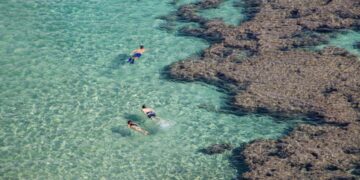
Sisters’ Island was closed for several years for major refurbishment and only reopened in October 2024 for the public to visit. It is Singapore’s first marine park, established to conserve corals and support marine research. The waters around the islands are clear and home to some of Singapore’s richest reefs, and an intertidal walk at Big Sister’s Island is a must.
Nature and marine life
In May 2025, the National Parks Board completed the Southern Islands Biodiversity Survey, producing the first comprehensive biodiversity database of the southern islands and one of the most extensive databases for small island archipelagos in the region. The survey confirmed what regular visitors have long sensed: these islands are genuinely wild. During low tide, marine life becomes visible on the beach. You may encounter hermit crabs, starfish, and even seahorses.
For a structured marine experience, guided intertidal tours are available and operate from Marina South Pier Ferry Terminal. With St John’s and Lazarus islands connected, the best way to explore the nature and wildlife is by bike. Gogreen Eco Adventure also offers cold drinks and kite flying at the same location. Drone enthusiasts will be pleased to know that the St John’s and Lazarus area is a permitted drone flying zone.




Expert perspective
Visitors often underestimate what the southern islands offer ecologically. The reefs around Sisters’ Island Marine Park support hard and soft corals, reef fish, and macro invertebrates that are simply not visible elsewhere in Singapore. The completion of the National Parks Board biodiversity survey in 2025 has given us a much clearer picture of what we are protecting. Beyond the marine environment, the terrestrial zones on St John’s and Lazarus contain plant species that have disappeared from the mainland entirely. For anyone interested in urban biodiversity or conservation, a trip to these islands is not recreational. It is educational in the most direct sense possible. The key is to visit during low tide, move slowly, and observe rather than disturb.
Industry perspective, nature conservation and marine ecology professionals in Singapore
Where to eat: plan before you go
There are no restaurants or cafes on the islands, so visitors must bring their own food and water. On Kusu Island, there are no food or drink stalls on normal days, except during the pilgrimage season. This is not a problem if you prepare well. Pack a proper picnic with food from a hawker centre near your MRT station before you board.
The Marina South Ferry Terminal has small shops that sell bottled drinks, snacks, and hot food for any last-minute needs before departure. Some overnight accommodations on the islands offer kitchenettes or pre-arranged meal options. Overnight stays are available through Tiny Away Escape for eco-friendly tiny house stays and Into the Woods for boutique glamping tents on Lazarus Island.
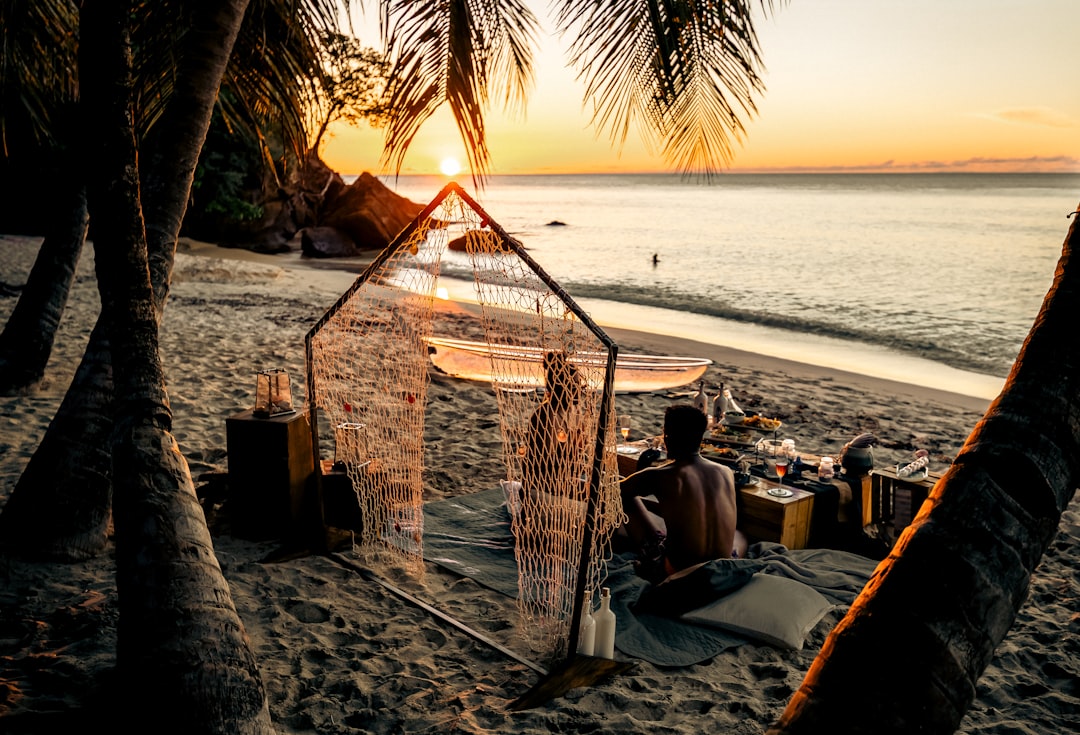
Bring more water than you think you need. Lazarus Beach in particular has very little shade on the beach itself. A hat, reef-safe sunscreen, and a portable mat are all things you will use. The locals who come here regularly all know this. First-time visitors almost always wish they had packed more.
Conclusion: the southern islands reward the prepared visitor
The southern islands of Singapore give you something rare in this city: space, silence, and genuine nature. Whether you visit for the beaches on Lazarus, the shrine on Kusu, the marine trails at Sisters’ Island, or simply a picnic on St John’s, the islands deliver a real change of pace. The southern islands are accessible to anyone with S$14 and an MRT card. Do your preparation, book your ferry ticket early, pack your food, and head south. You will not regret making this trip.
Discover more about southern islands
- Singapore’s Southern Islands: National Parks Board official information
- Southern Islands Biodiversity Survey, NParks, 2025
- LRT and Ferry Guide – Land Transport Authority Singapore