
Tourist arrivals in Singapore are tracking toward a record 2026 peak, and the economic consequences for businesses in retail and hospitality are already visible in the data.
What the arrival numbers show
Singapore recorded 4.4 million international arrivals and SGD 8.6 billion in tourism receipts in the first quarter of 2026. That is a strong base for the rest of the year. Tourism receipts rose 6 percent year-on-year, while visitor arrivals grew 3 percent compared to the same period in 2025.
July has historically recorded the highest number of international arrivals, driven by mid-year school holidays across key source markets, regional travel demand, and Singapore’s popular summer festivals. That pattern continues in 2026. Singapore is on course to meet its 2026 target of 17 to 18 million tourist arrivals, driven by a strong events calendar and limited hotel supply.
Australia, Mainland China, Indonesia, the United States, and India are the primary drivers of this economic expansion. These markets carry different spending profiles. Businesses that understand the mix can plan inventory, staffing, and pricing more precisely.
What the numbers mean for retail
The Singapore Tourism Board (STB) projects tourism receipts to reach between SGD 31 billion and SGD 32.5 billion in 2026. OCBC Group Research expects retail sales to expand by 2 to 3 percent this year, supported by new products and experiences.
However, the composition of visitor spending is shifting. More tourists are becoming value-conscious, seeking experiential offerings and local neighbourhoods rather than purely luxury shopping. Chinese visitors in particular are shifting spending from luxury goods to experiences. Retailers in traditional luxury corridors such as Orchard Road need to adapt their offer to capture this segment.

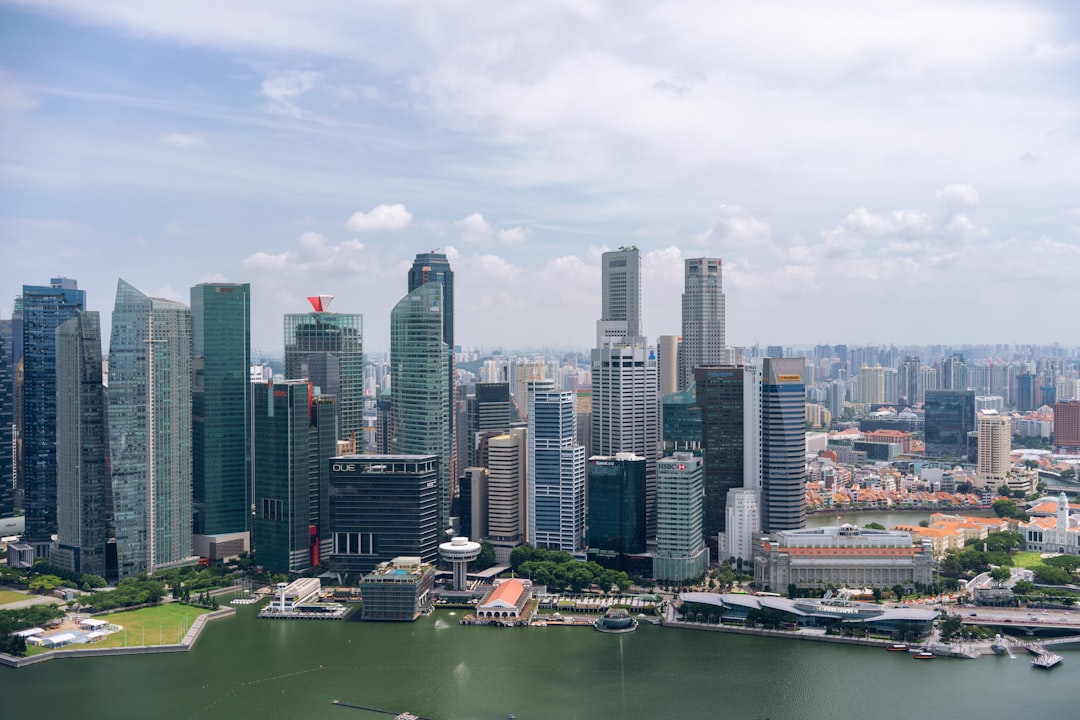
Singapore’s retail and dining sectors, which rely heavily on tourist spending in key precincts such as Orchard Road and Marina Bay, may face a more challenging environment. The opportunity remains real, but operators cannot assume that high arrivals automatically convert to high transaction values. Targeted promotions and curated local experiences now carry more commercial weight than broad discounting.
How hospitality is responding to peak demand
Marina Bay Sands remains one of the world’s strongest-performing integrated resorts. In the first quarter of 2026, the property achieved an occupancy rate approaching 96 percent, while its average daily room rate exceeded USD 1,000.
Hotel performance is expected to remain firm across 2026, supported by events and limited hotel supply. OCBC also noted that slow growth in average hotel room supply from 2025 to 2029 could support room rates. For hospitality operators, constrained supply combined with strong event-driven demand creates direct pricing power.
Events including a BTS concert and the Formula 1 Singapore Grand Prix will drive global interest in 2026. New attractions such as Rainforest Wild at Mandai Wildlife Reserve and Exploria, a new family-friendly play hub, will also enrich the city’s tourism offerings. These developments are expected to generate substantial economic impact, boosting hotel bookings, retail spending, and overall tourism receipts.
Industry perspective
Singapore’s tourism receipts reached S$23.9 billion in the first three quarters of 2025, a 6.5 percent increase from 2024 and the highest recorded for that period. This puts the sector on a steady trajectory toward its Tourism 2040 ambitions. The city-state is attracting visitors who value distinctive experiences, and the strategy is to maintain this momentum by developing a strong pipeline of differentiated products, events, and experiences. The MICE sector continues to reinforce Singapore’s position as a premier business events destination, with Singapore ranking third worldwide and first in Asia-Pacific according to the International Congress and Convention Association. Sustaining that ranking requires consistent investment in both infrastructure and the quality of the visitor experience.
Industry perspective, Singapore Tourism Board
Risks that operators must watch
The hospitality industry ended 2025 with strong revenue per available room and high occupancy, but analysts now point to rising operating costs, wage pressures, and a growing hotel pipeline that could weigh on profitability if demand disappoints in 2026.
Higher airfares, longer flight routes, and the potential for economic uncertainty could deter discretionary travel. International travelers may choose shorter or more economical alternatives, particularly as long-haul flights become more expensive. This risk is not hypothetical. It affects forward bookings and group travel decisions in real time.
Small and medium-sized enterprises that depend on international tourism, such as local tour operators, restaurants, and retail outlets, are feeling the strain of slower spending. These businesses are expected to adopt strategies including diversification of services, digital transformation, and targeted promotions. The businesses that act on these strategies now will be better placed when spending patterns normalize.






Conclusion: what businesses should do now
Tourist arrivals at record July levels confirm that Singapore remains Asia’s most resilient gateway city. The data is clear: tourism receipts are growing, hotel rates are strong, and the events pipeline supports forward demand. Yet tourist arrivals alone do not guarantee profit. Local operators are shifting toward experiences such as wellness retreats, nature-based tours, and culturally immersive activities. This shift from mass tourism to personalized, niche offerings reflects the evolving expectations of visitors. Retail and hospitality businesses that align their offer with these expectations, and that control costs carefully through this high-demand period, are the ones best placed to convert record tourist arrivals into durable revenue growth. Review your pricing strategy, confirm your event-season staffing plans, and engage your bank or investment adviser on hospitality REIT exposure before the peak passes.
Discover more about tourist arrivals
- Singapore Tourism Board: Official Statistics and Market Insights
- OCBC Group Research: Singapore Hospitality and Tourism Outlook 2026
- STB Press Release: Record Singapore Tourism Receipts January to September 2025