

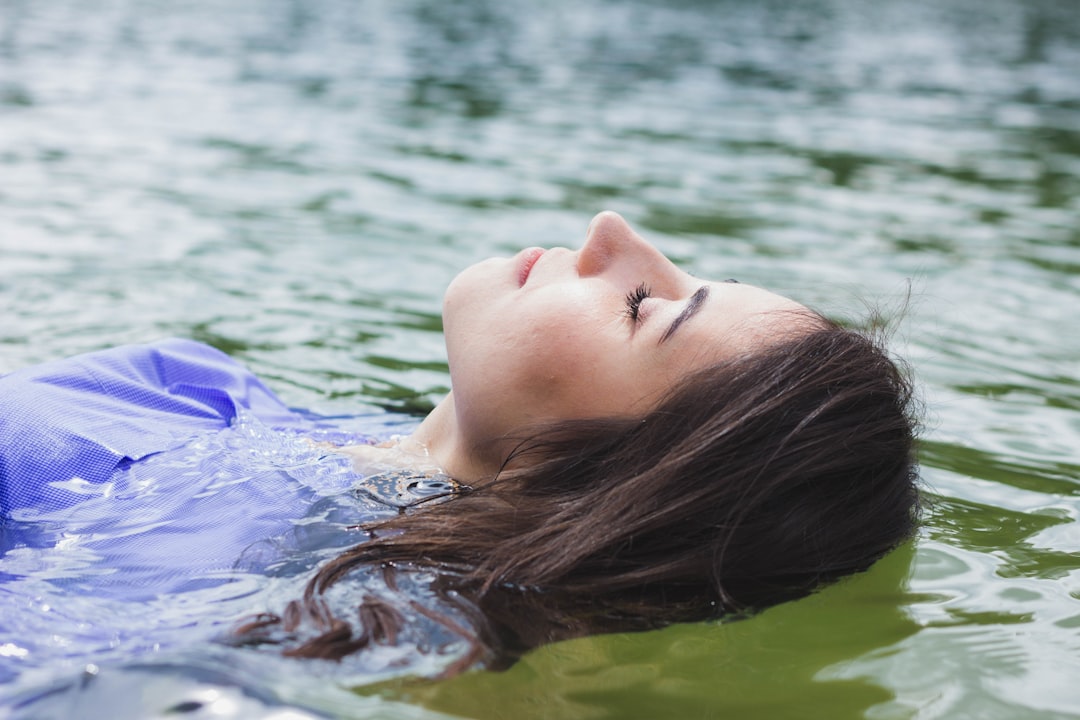
Float therapy in Singapore is quietly winning over everyone from burned-out bankers to marathon runners, and the science behind all that salt water is more convincing than you might expect.
What float therapy actually is
Float therapy involves lying in a specially designed tank or pod filled with warm water and high concentrations of Epsom salts. The water’s density allows you to float effortlessly, while the tank’s design minimises light, sound, and external stimuli. The goal is to create an environment where your brain can enter deep relaxation, free from sensory input, and your body can release tension naturally.
The salt-saturated water reduces pressure on joints and muscles, providing a weightless sensation that promotes relaxation. Water is kept at skin-neutral temperature (around 34.5°C), allowing your body to relax fully without thermoregulation distractions. In simple terms, your nervous system stops fighting the outside world and finally gets a rest.
Also called sensory deprivation or floatation therapy, it has grown in popularity as a holistic method for mental clarity, physical recovery, and overall well-being. For Singapore residents who deal with heat, noise, and a relentless pace of life, the appeal is obvious.
The benefits that bring people back
The wellness case for float therapy is solid and continues to grow. Recent studies have found benefits including decreased stress, lower levels of anxiety and depression, improved mood, and better sleep. Those results speak directly to what most people in Singapore are actually looking for.
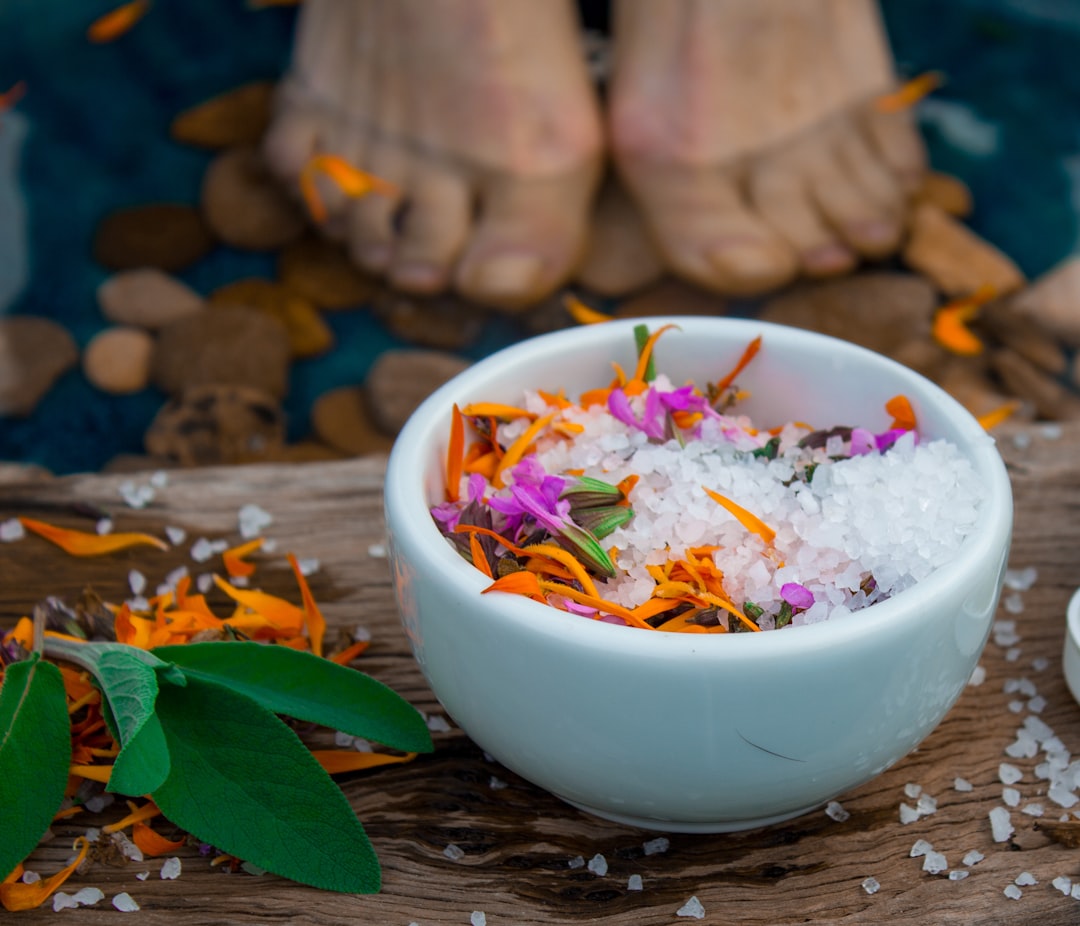
Epsom salts are rich in magnesium, which can be absorbed through the skin to support muscle relaxation and stress reduction. The calm environment helps reduce cortisol and promote a sense of peace. Buoyancy and magnesium absorption can ease sore muscles, joint pain, and tension headaches.

Beyond physical recovery, the mental benefits are equally significant. Sensory reduction allows the mind to reset, improving clarity and cognitive function. Float therapy also encourages a meditative state without the need for guidance or practice. For anyone who has struggled to maintain a meditation routine, that last point matters a great deal.
Top float therapy studios in Singapore
Singapore has several well-established studios offering float therapy, each with a distinct approach to the experience.
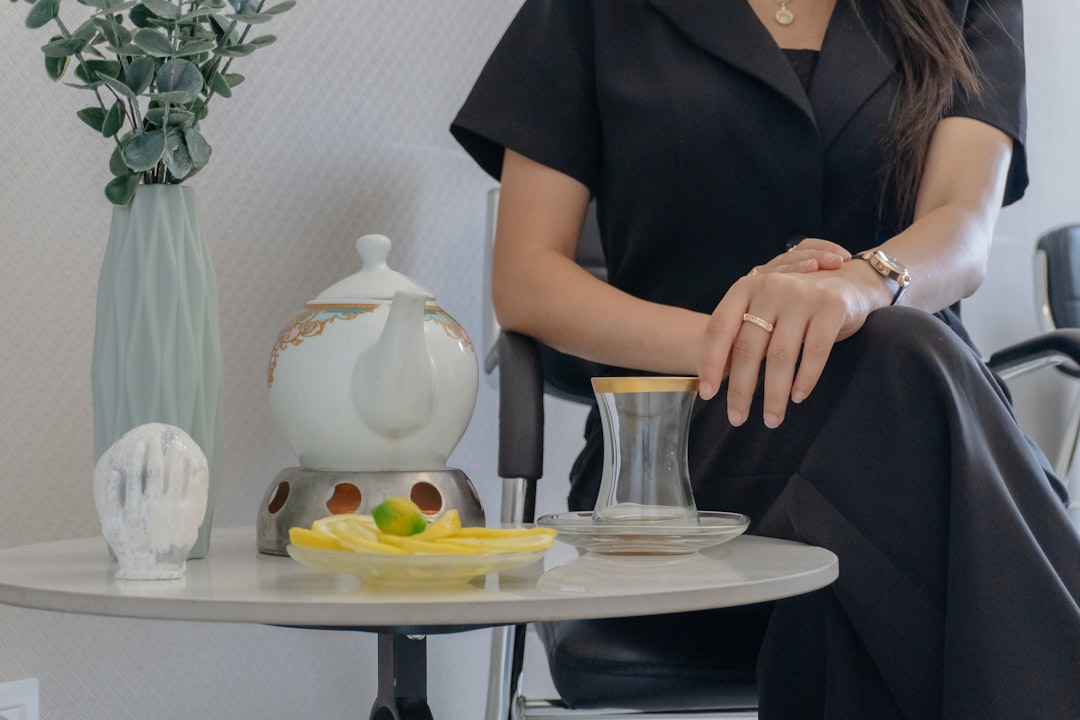
Palm Ave Float Club near Lavender MRT is widely regarded as the most dedicated float venue on the island. It aims to relieve stress, heal the body, and expand consciousness, and it positions itself as one of Asia’s best-known float centres. Each float pod is filled with 600 kg of Epsom salt, creating a buoyant environment for complete comfort. After your session, the post-float lounge offers a space to unwind, reflect, and enjoy herbal tea. The studio also plans to add a dedicated space for sound meditation and breathwork.
I-Beauty Medispa takes a different angle. FloatMe combines the mental benefits of sensory deprivation therapy with the health and beauty benefits of total body magnesium immersion. I-Beauty Medispa was the first in Singapore to bring in floatation therapy with a Revitalised Water system. After each session, FloatMe clients receive a nutritious in-house prepared FloatMeal to complement the health benefits of the therapy. That thoughtful post-session detail sets it apart.
Chrysalis Spa, with multiple outlets across Singapore, offers float therapy as part of a broader wellness menu. Established since 2001, it is a one-stop spa with a long track record in beauty and wellness treatments. Even 1 session can provide noticeable relaxation, while regular sessions help maintain mental clarity and physical well-being.






Expert perspective on float therapy and wellness
Float therapy represents a meaningful shift in how people approach mental and physical recovery. The evidence base is growing steadily, with studies pointing to measurable reductions in cortisol, improved sleep architecture, and significant decreases in anxiety symptoms after repeated sessions. What stands out in markets like Singapore is the crossover appeal: athletes use it for faster muscle recovery, professionals use it to manage burnout, and first-time users frequently report effects that outlast the session itself by several days. The magnesium absorption factor adds an additional physiological layer that standard meditation or rest simply cannot replicate. For wellness providers, float therapy is no longer a niche offering. It is becoming a core part of integrated recovery programmes.
Industry perspective, float therapy and wellness professionals in Southeast Asia
What to expect on your first visit
First-timers often have the same concerns: Will I feel claustrophobic? Will I fall asleep and drown? Both fears are understandable and both are essentially unfounded. The depth of the water is around 11 inches, which means you can kneel or sit upright, and the likelihood of drowning is essentially impossible. Most people who worry about claustrophobia report that they ease into the pod within minutes, largely because there is a safety button and the option to keep the light on.
The practical preparation is straightforward. Avoid caffeine or heavy meals immediately before your session. Use earplugs and keep water out of your ears. Studios provide towels, shower gel, and earplugs as standard. People with certain medical conditions, including open wounds, uncontrolled epilepsy, or severe skin conditions, should consult a doctor before floating.
Session prices in Singapore typically range from around SGD 60 to SGD 120 for a 60-minute float. Regular sessions deliver cumulative benefits, so most studios offer packages to encourage repeat visits. Booking midweek and off-peak is a reliable way to keep costs down.
Making float therapy part of your routine
The real value of float therapy comes with consistency. Even 1 session can provide noticeable relaxation, while regular sessions help maintain mental clarity and physical well-being. Many dedicated floaters in Singapore book once or twice a month as part of a broader wellness routine.

After your session, give yourself time to adjust. Many people feel rejuvenated, calm, and lighter, both physically and mentally. Avoid scheduling anything demanding immediately after your float. The hour or so that follows a session is a good time for quiet reflection, a light meal, or simply a slow walk home.
Why float therapy belongs on your Singapore wellness list
Float therapy in Singapore is more accessible than ever, with studios spread across the island and options to suit most budgets. Whether you want to use float therapy as a recovery tool, a stress-management strategy, or simply a novel way to spend a Saturday afternoon, the experience consistently delivers. Float therapy works because it removes the inputs that drain you and gives your body and brain the uninterrupted quiet they rarely get. Book a single session, arrive with no expectations, and let the salt water do the rest.
Discover more about float therapy
- Health Promotion Board Singapore: Mental Well-being
- Float therapy research and the science of sensory deprivation (Psychology Today Singapore)
- Palm Ave Float Club: Singapore’s leading float centre