
Short film practice in Singapore costs nothing to start when your pocket already holds a cinema-quality camera and every neighbourhood outside your door is a ready-made set.
Singapore is a set waiting for you
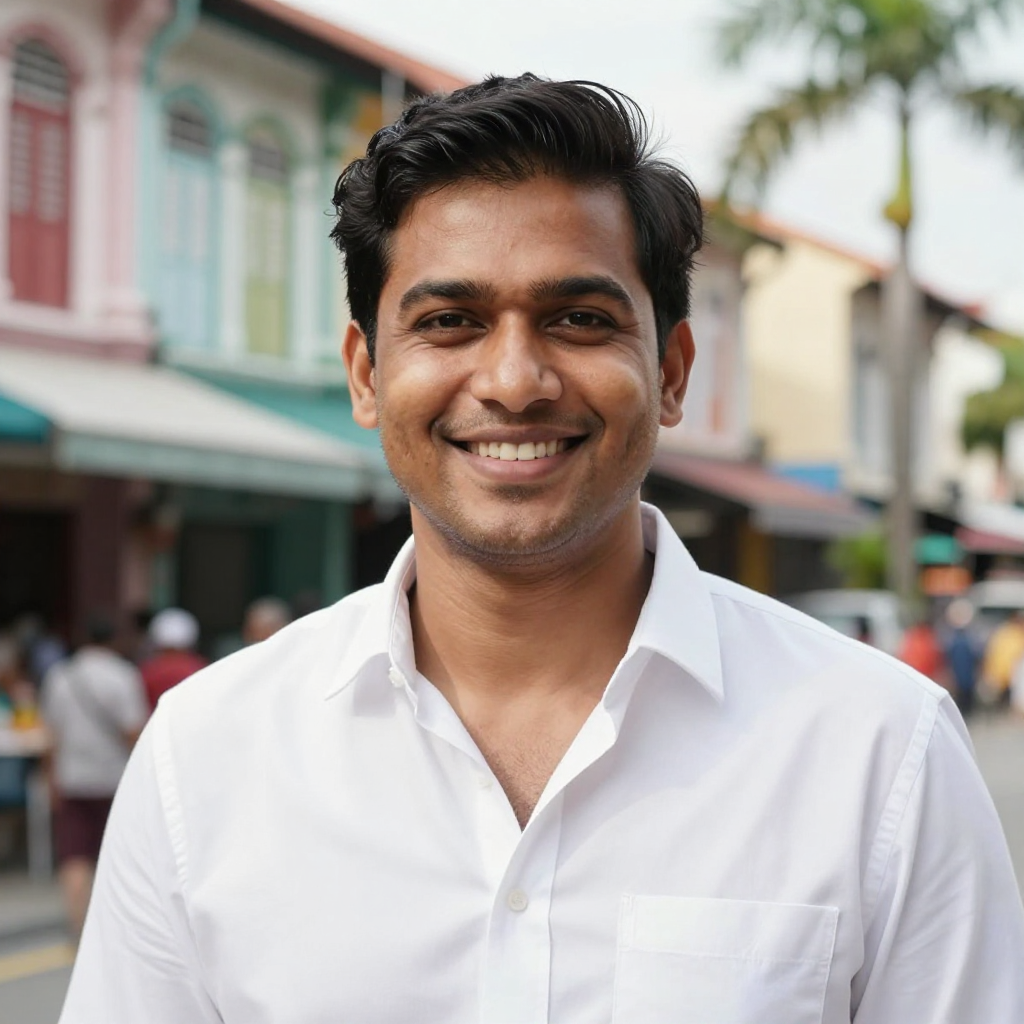
Walk through Joo Chiat on a Tuesday morning. Peranakan shophouses catch the soft light. A uncle arranges fish at a wet market stall. 2 schoolchildren share a packet drink outside a provision shop. Every frame is already composed. You just need to press record.

Singapore gives short film makers something rare: extreme visual contrast within walking distance. You move from the glass towers of the CBD to the kampong textures of Geylang in 10 minutes. Chinatown, Little India, and Kampong Glam each carry a completely different colour palette, sound design, and emotional register. Filmmakers who explore culturally significant districts like Chinatown, Little India, and Kampong Glam can uncover authentic narratives rooted in the city’s history.
Start with 1 neighbourhood you know well. Walk it 3 times before you shoot. Notice the light at 7am versus 5pm. Notice who sits where, and why. A short film rooted in a real place always feels more alive than one shot in a generic interior.
Your smartphone is a real production tool
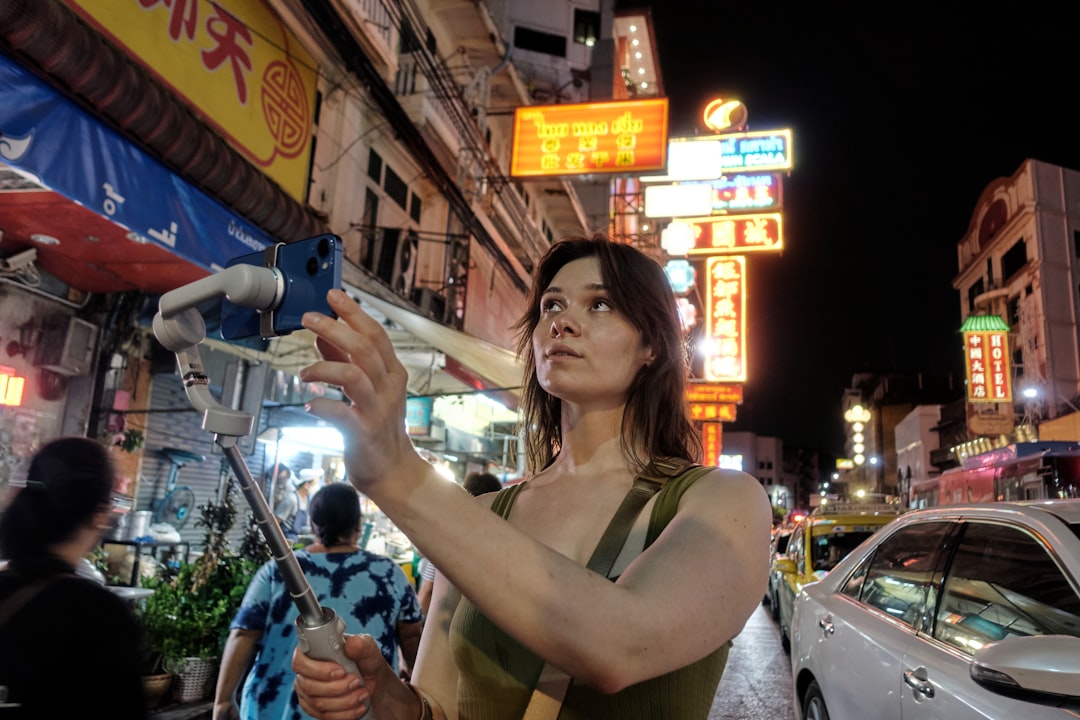
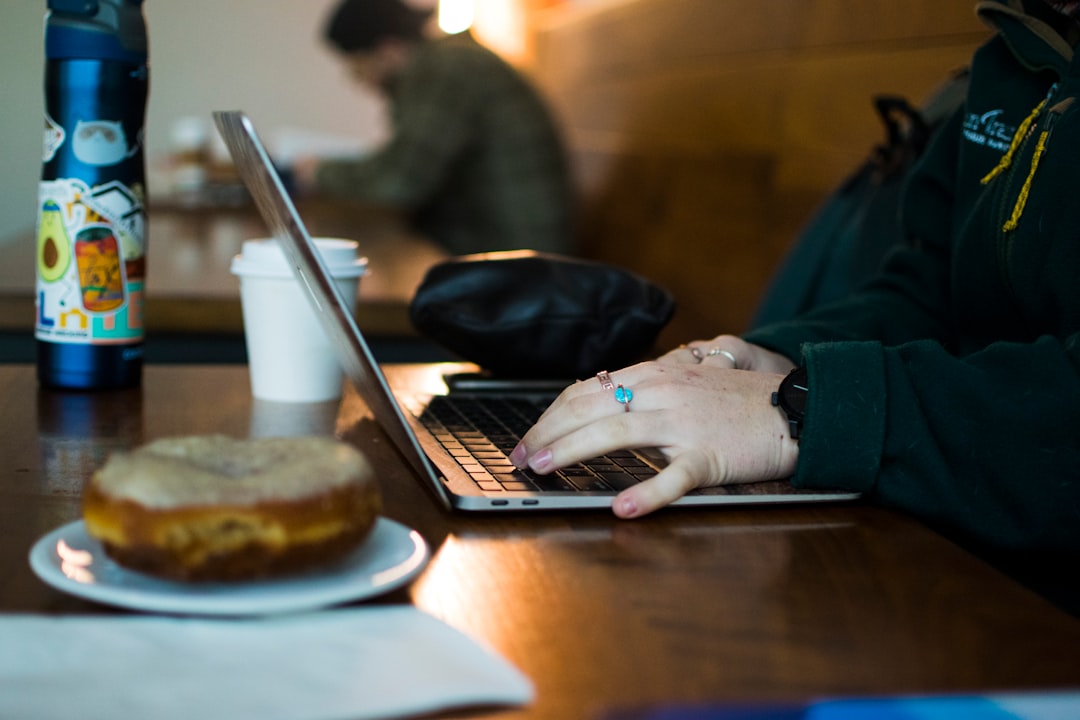
Smartphones allow any individual or small business to create visual content quickly, affordably, and with high quality. The camera in your pocket shoots in 4K, handles low light better than professional cameras from 10 years ago, and fits in a space where no crew van is needed. This matters enormously in Singapore, where permits for commercial filming in public spaces can take time to process.
Keep your setup simple at first. Use the back camera, not the front. Lock your exposure manually so the image does not shift mid-shot. Use a free app like Filmic Pro or the native camera set to manual mode. For audio, a S$20 clip-on microphone from Sim Lim Square connects to your headphone port and removes 80% of wind noise instantly.

Shoot in short sequences of 10 to 30 seconds. Move the camera slowly and deliberately. A hawker centre at lunch offers natural drama: steam, fire, fast hands, and human faces under fluorescent light. All of that is free. All of that is already there.
Learn the craft through Singapore’s own institutions
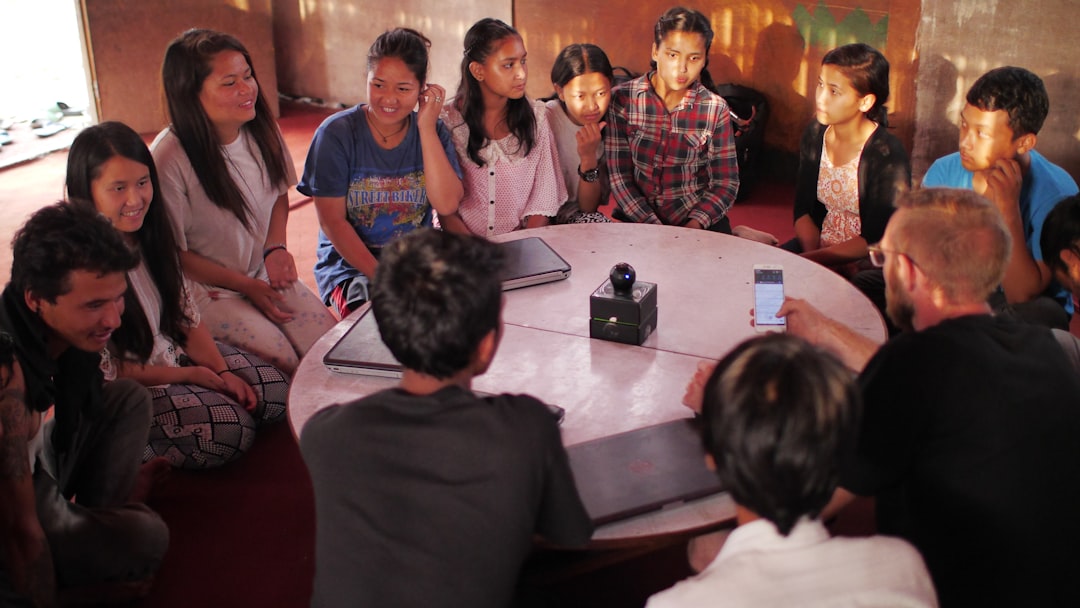
Objectifs is an independent non-profit visual arts space in Singapore that aims to cultivate original voices in visual storytelling. Their Digital Filmmaking Workshop teaches participants how to plan, direct, shoot, and edit a short film, with no experience needed and equipment provided. This is a strong first step if you want structured guidance before you go out on your own.
The Objectifs Short Film Incubator focuses on developing short film scripts and is open to Southeast Asian filmmakers working with moving images. If you already have a script idea, this programme gives you real feedback from people inside the industry. Beyond formal workshops, connecting with like-minded individuals through groups such as the Singapore Film Society and the Singapore Independent Filmmakers Collective builds the network you need to grow faster.
You can also submit finished films to local and international festivals like the Singapore International Film Festival or the Asian Film Archive’s SEAShorts Film Festival, and share your work on platforms like Vimeo, YouTube, or Viddsee, which features short films from Asia.
Expert perspective on short film practice in Singapore
Making short films in Singapore today is fundamentally different from what it was 15 years ago. The barrier is no longer equipment or access to training. The real work is developing a genuine point of view about the place you live in. Singapore’s neighbourhoods are extraordinarily dense with stories: migrant worker communities, elderly residents in HDB blocks, the rituals of hawker culture, the tension between preservation and redevelopment. Filmmakers who engage with those realities, rather than shooting for an abstract aesthetic, are the ones whose work travels. The short film format rewards specificity. A 10-minute film about 1 specific corner of Toa Payoh can say more about this city than a 90-minute film that tries to show everything. Start small, stay specific, and let Singapore itself do much of the storytelling.
Industry perspective, short film and independent cinema professionals in Singapore
Build a storytelling habit, not just a project
Most people who want to make short films think too large at first. They imagine a full crew, professional sound, and a carefully written script. Instead, build a daily or weekly storytelling habit. Shoot 1 minute of footage every day for 30 days. Do not edit it. Just shoot. After 30 days, watch everything back and look for the moments that surprised you.
This habit trains your eye faster than any course. You start to see stories in the ordinary: the way a bus driver adjusts his mirror at Bedok Interchange, the silent negotiation between 2 strangers sharing a table at a kopitiam, the sound a temple bell makes at 6am in Serangoon. Filmmakers across Southeast Asia, including from Singapore, have used smartphones to shoot and submit short films that draw directly on their immediate environment and community.
Once you have 5 or 6 clips you love, arrange them into a 3-minute sequence. Give it a beginning, a middle, and an end. That is your first short film. It does not need a title. It does not need colour grading. It needs only an honest observation about a place you know.
How to share and develop your work
The Singapore Short Film Awards is the only platform that recognizes excellence in short films by category in Singapore. It acknowledges not just directors and producers, but key crew members including art directors, sound editors, and cinematographers. Submitting your work here, even early in your practice, forces you to think about quality and completion.
The Asian Film Archive presents Singapore Shorts, an annual showcase celebrating short films by Singaporean filmmakers, with selections drawn from more than a hundred open call submissions. Both events are real destinations for your work once it is finished.






The Singapore Film Commission, part of the Infocomm Media Development Authority, develops Singapore’s film industry and has supported more than 800 short films, scripts, feature films, and film-related events since 1998. As your practice grows, their grant programmes become a genuine path to funded production.
Start today, not next month
Short film practice in Singapore begins the moment you open your camera app and point it at something true. This city’s hawker centres, heritage streets, festivals, and ordinary human moments are an endless source of material. The smartphone in your pocket is a serious tool. The community around you, at Objectifs, at the Asian Film Archive, at festival screenings in The Projector, is ready to support your work. Build a short film practice by shooting what you already see every day. Let Singapore be your co-director. Then share what you make, because the stories of this city deserve to be seen.
Discover more about short film
- Singapore Film Commission (IMDA): Grants and Support for Filmmakers
- SGIFF Southeast Asian Short Film Grant: Funding and Call for Entries
- Variety: Singapore Film Festival Unveils Short Film Grant Recipients