
Street art is turning Singapore’s July school break into something far more colourful than a rest period, as programmes across the island pull young people away from screens and onto walls.
Why July is the right moment for street art
Youth Day falls on the first Sunday of July each year. It is a day dedicated to recognising and celebrating the contributions and potential of young people in Singapore. That timing is no accident for the city’s arts community. Students typically get the following Monday off as a school holiday, and this short break offers opportunities for various youth-focused events and activities.
Organisers use this window with real purpose. Street art workshops, mural walks, and urban art residencies all see higher enrolment during July. For many teenagers, the break is not about travel or tutoring. It is about picking up a spray can for the first time.
The energy on the street shows it. Walk through Kampong Glam or Haji Lane on any July weekday and you will find small groups of teenagers sketching and painting alongside professional artists. The neighbourhood already carries the work. The Kampong Glam district is known for its blend of Malay heritage, street art, creative entrepreneurship, and contemporary design. The route winds across key streets such as Haji Lane, Arab Street, Bali Lane, Sultan Gate, and Aliwal Street, each offering a unique atmosphere shaped by food, fashion, art, and architecture.
What the programmes actually look like
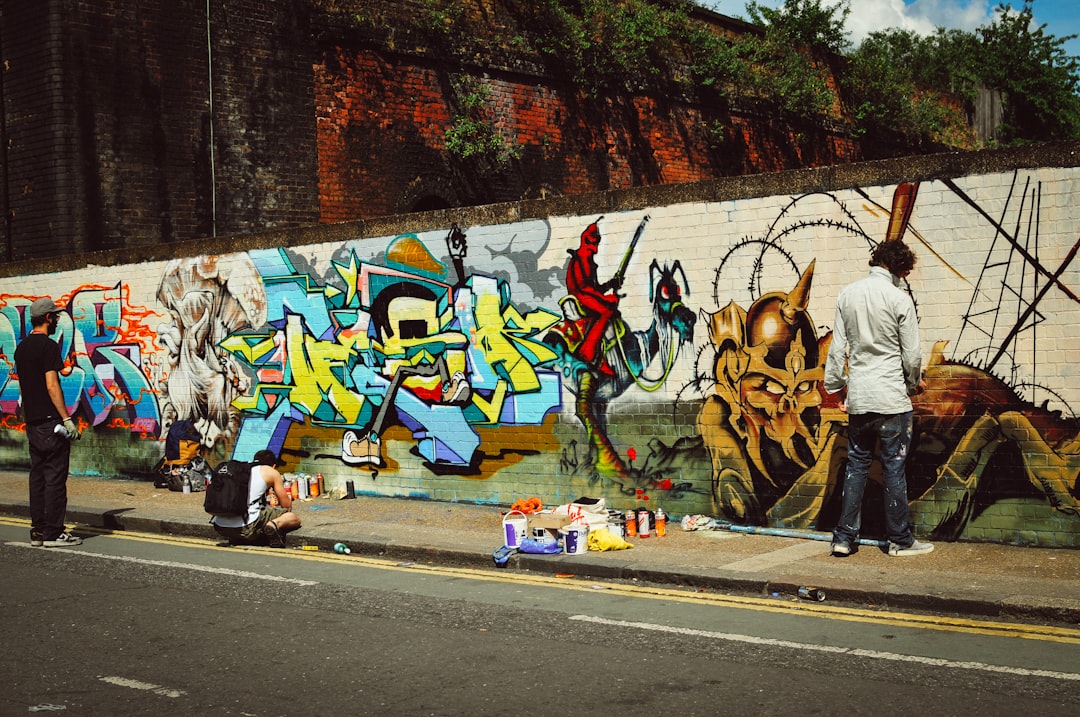
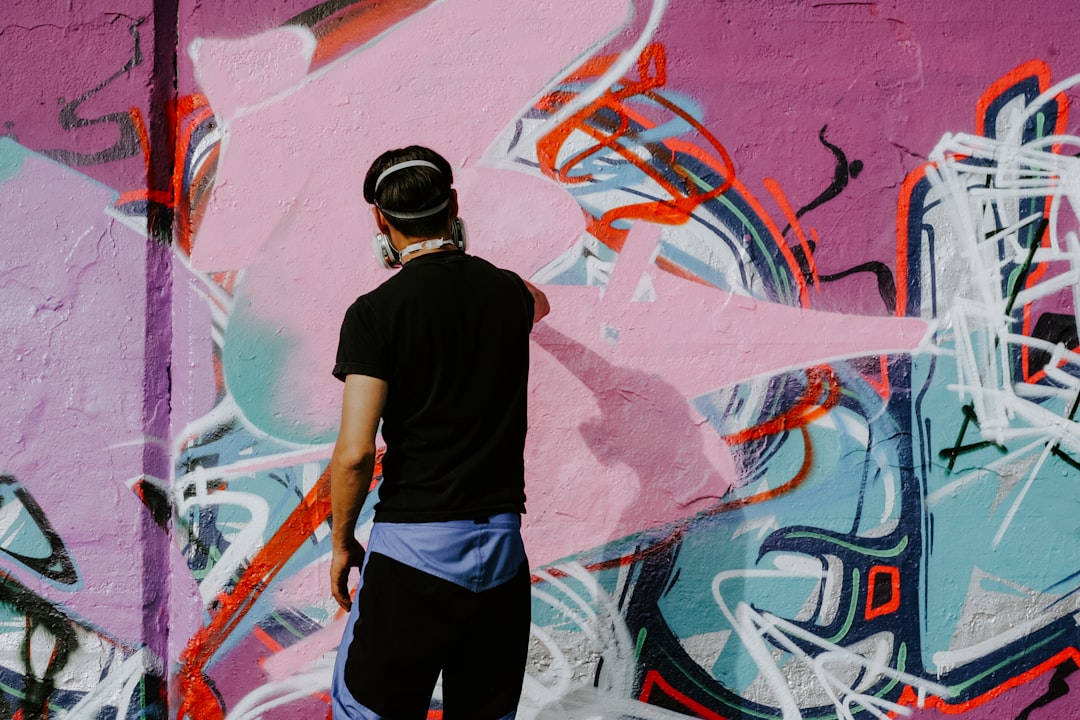
Hands-on learning defines most of the July offerings. Art Outreach runs immersive street art workshops led by professional graffiti artists. Participants start with a Graffiti Sketch Workshop, learning to design their own stylised alphabets and characters, then move to a Graffiti Crash Course, a practical spray-paint session that guides them through techniques, safety, and the creation of their own artwork.
These are not purely recreational activities. Social Creatives collaborates with a wide range of people, including established and aspiring artists, community groups, people with disabilities, troubled youth, and local volunteers. Through joint creation of public artworks, the group aims to transform bland or ignored city spaces into colourful, vibrant destinations that attract locals and tourists alike.

The result is visible in the fabric of the city. The Bras Basah.Bugis district features murals, sculptural works, installations, and integrated artworks that reflect themes of cultural identity, urban memory, and contemporary practice. Many of those works began as exactly the kind of workshop a teenager attends during a July school break.
The role of *SCAPE in nurturing young artists
No institution plays a bigger role in Singapore’s youth street art scene than *SCAPE. The *SCAPE Urban Art Residency Programme, previously known as the *SCAPE Street Art Residency Programme, is dedicated to nurturing and platforming young and emerging visual artists while expanding the possibilities of urban art in Singapore.
The programme shifts beyond a sole focus on street art to embrace a broader urban art practice that responds to the city’s landscapes, communities, and lived experiences. At its core, the residency centres on socially driven themes, encouraging artists to engage critically with contemporary issues and translate them into meaningful visual expressions in public space. Participants take part in group discussions, participatory workshops, and hands-on sessions designed to deepen both their conceptual thinking and technical skills.
*SCAPE’s youth arts festival has explored themes connecting tradition, heritage, and modern-day realities. The festival acts as a launchpad and incubator, with mentorship opportunities and collaborative spaces to bridge the gap between youth-led initiatives and seasoned professionals. For young artists who start during a July workshop, a residency at *SCAPE is the natural next step.
Expert perspective on youth street art in Singapore
Singapore’s public spaces have always been canvases for cultural conversation, but what we see now is a genuine shift. Young people are not just consuming street art, they are producing it with intent and with support from the wider creative community. The school holidays matter here because they remove the pressure of the academic calendar and allow genuine experimentation. When a 15-year-old spends a week learning to design letterforms and then applies that knowledge to a wall in Kampong Glam, something important happens. They claim ownership of their city. The best programmes connect technical skills with neighbourhood history, so the mural means something to the community, not just to the artist. That connection between place and practice is what distinguishes meaningful public art from simple decoration. Singapore’s support structures, from residencies to government arts education frameworks, make that connection possible in ways that few cities can replicate.
Industry perspective, urban arts and youth creative development professionals in Singapore
How the Singapore Youth Festival connects to street art
The Singapore Youth Festival creates an important parallel. In celebration of Singapore’s 60th year of independence, the Singapore Youth Festival 2025 showcased youth artistic talents through performances and artworks. Students expressed their interpretations of the nation’s cultural heritage and their aspirations for building a shared future together.
The SYF Art Exhibition invited primary school students to connect aspects of everyday Singaporean life with visions of the nation’s future. Students were encouraged to draw inspiration from their surroundings and transform familiar elements into imaginative works through creative collaboration.
That spirit connects directly to street art. Both forms ask young people to observe their environment, find meaning in it, and make something visible. The July school holiday sits right inside that broader festival season. The SYF Celebrations from 3 to 5 July featured about 2,500 students bringing the arts to the community. Street art workshops absorb some of that same creative momentum into the neighbourhoods themselves.





Street art gives Singapore youth a voice in public space
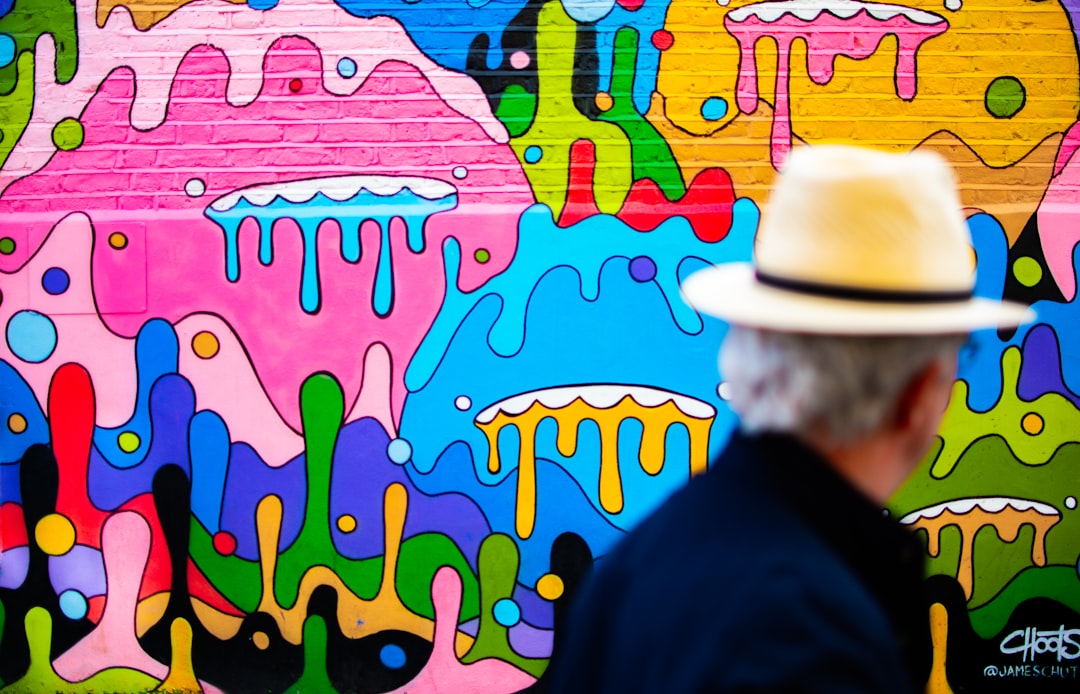
Street art programmes in Singapore do more than teach technique. Public art takes various forms, from 2D wall murals and 3D sculptures to performative and ephemeral manifestations of an artist’s creative process. More importantly, the conception and premise of the artwork is rooted deeply in the public sphere, where it is widely visible and freely accessible to all.
From large-scale murals painted across shophouses to quietly integrated works nestled in the laneways of Joo Chiat, artworks respond to themes of memory, place, and cultural identity. Many of the murals draw inspiration from surrounding culture, historic trades, and everyday stories of residents. When young people add their own work to that tradition, they join a real creative conversation.

The July school holidays give street art programmes a concentrated period to work with. Youth who attend a single workshop often return for more. Some go on to join residencies. Others go on to paint walls that thousands of commuters see every morning over a hawker coffee. That is Singapore’s creative culture doing what it does best: making space for the next generation, one wall at a time.
Street art in Singapore is no longer a fringe interest. This July, it is where some of the city’s youngest and most curious minds are spending their holiday. Follow what they create, because street art will shape the neighbourhoods we walk through for years to come.
Discover more about street art
- Singapore National Arts Council: Self-Guided Public Art Trails
- *SCAPE Urban Art Residency Programme
- SG Culture Pass: Graffiti and Street Art Workshops Guide (FZINE Singapore)