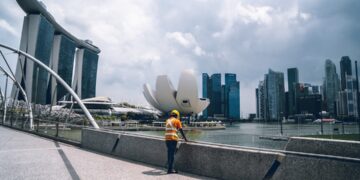

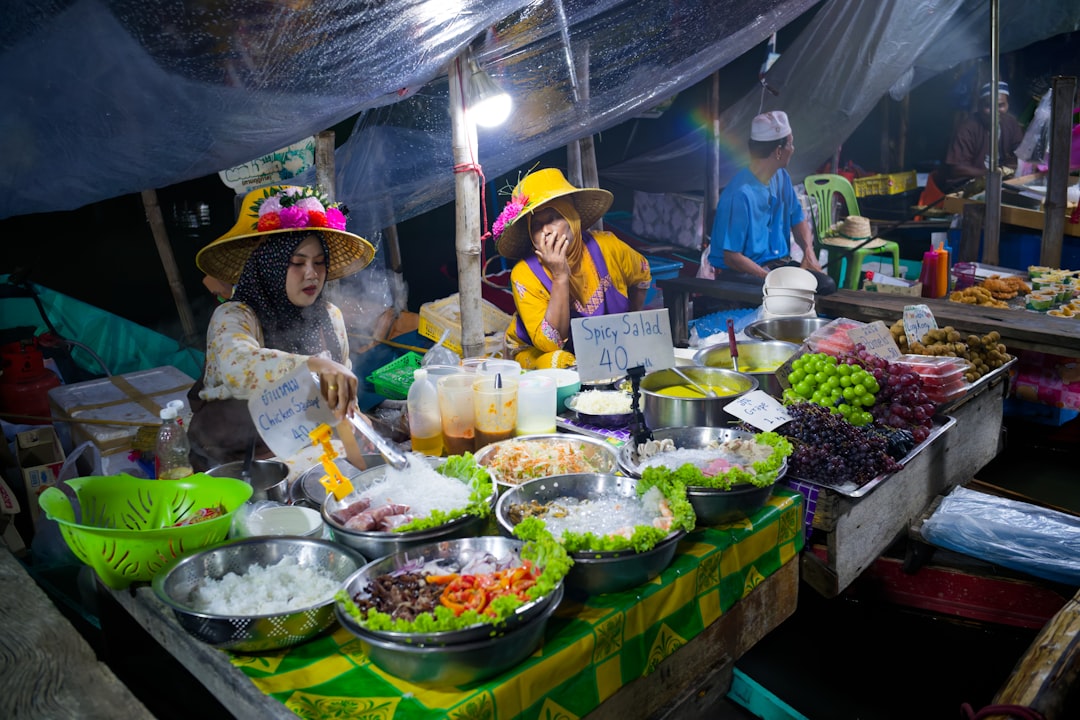
Singapore food festival activity in July 2026 signals the city’s food economy is doing more with a tighter tourism spend forecast, and these are the events and dishes that justify the investment.
What makes this July’s food calendar different
The Singapore Tourism Board’s flagship Singapore Food Festival is taking a year off to prepare a stronger 2027 edition. That gap has not slowed Singapore’s food calendar. Instead, a parallel ecosystem of culinary events has filled July 2026 with activity across price brackets and districts. The result is a more distributed Singapore food festival landscape, with no single central event dominating footfall or spend.

One aggregator lists the July edition running from 10 to 26 July 2026, centred on Marina Bay and hawker centres throughout the city, with an expected 500,000 visitors and entry from SGD 20. The Singapore Tourism Board’s data shows that food and beverage spending rose 15% in 2025, making it one of the strongest growth categories in tourism receipts. That trajectory gives context to why chefs, hotel groups, and independent operators are all deploying premium concepts this month.
Standout dishes worth seeking out
The festival landscape balances local culinary gems such as Hainanese chicken rice and chilli crab alongside culinary innovations and experimental dishes that reflect the creative energy of Singapore’s chefs. Both ends of that spectrum produce strong value propositions this July.
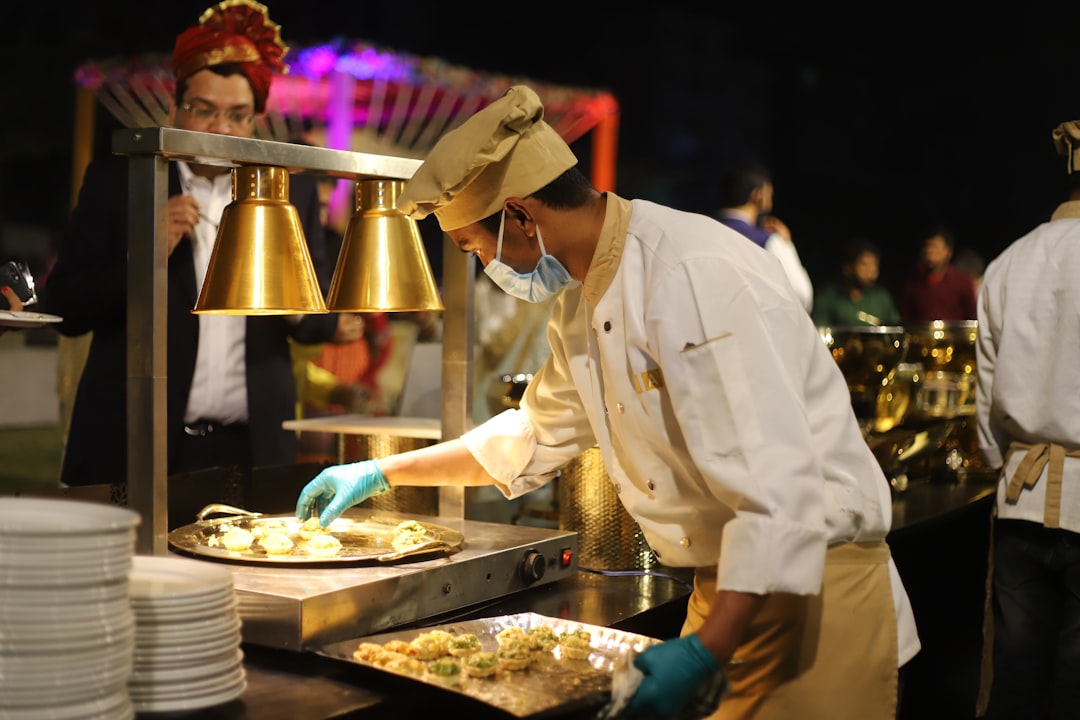
LUCE at InterContinental Singapore offers an Italian buffet experience with 25% off weekday sessions, led by Chef Giuseppe’s creations including slow-braised Ragout alla Napoletana and Guinness-braised lamb, alongside Asian signatures such as Iberico pork belly Hong Shao Rou and Singapore chilli prawn with mantou. The hybrid menu is a precise read of what high-spending diners in Singapore want: international technique applied to local flavour logic.
At The Fullerton Hotel, veteran actor and home chef Mr Li Nan Xing shares 7 dishes built from family recipes at Town Restaurant’s dinner buffet, running from 1 July to 9 August 2026. The menu opens at a live station with his Bak Kut Teh with Black Garlic, built on a carefully balanced blend of aromatics and fork-tender pork ribs. This is Peranakan heritage presented without editorial distance, and it draws a different audience than a hotel tasting menu.

Chefs and concepts driving the culinary programme
Sentosa GrillFest introduces Chef’s Grill this year, the festival’s first-ever eight-course omakase-style beachfront dining experience, created in collaboration with the Singapore Chefs’ Association. Held in an air-conditioned tent with premium chinaware, the format gives diners a close view of live-fire techniques from a curated roster of Singapore chefs. For business professionals who track concepts rather than just meals, this is a meaningful structural experiment in accessible fine dining.
Sentosa GrillFest runs from 23 July to 16 August 2026 at Siloso Beach, in its ninth edition, featuring 42 vendors across 5 zones including 18 new names. This year’s edition places a sharper focus on local sourcing and sustainable produce, with a curated selection of ingredients that champion responsible food choices without compromising on quality. Sustainability metrics are now a visible part of the festival’s positioning, which aligns with broader STB quality-tourism goals.
At Crowne Plaza Changi Airport, Chef Jun Kwan Soo from InterContinental Hanoi Landmark presents a Hansang lunch set across three afternoons in early July. Guests choose from a Beef Bulgogi Set, a Pork Jeyuk Bokkum Set, or a Stone Pot Bibimbap Set for vegetarians, each served with seafood Doenjang jjigae, steamed rice, kimchi, and namul. The airport location serves a practical function: it captures high-spending transit visitors who represent a segment STB explicitly targets.



Expert perspective on Singapore’s food economy
Singapore’s food sector is not a peripheral lifestyle feature. It is a core economic driver. Food and beverage recorded a 15% increase in tourism receipts in 2025, matching sightseeing and entertainment as the top growth category. For a city-state that expects between 17 and 18 million international visitors in 2026 and targets S$31 to S$32.5 billion in total tourism receipts, the culinary calendar functions as a demand-generation instrument. Chefs who build concepts here are not just serving meals. They are contributing to Singapore’s positioning as Asia’s premium experiential hub. Events such as omakase beach dining and heritage hawker trails generate both footfall and media attention that reinforce destination value. The question for any operator is whether the unit economics of a premium festival concept justify the cost of entry, and in Singapore’s market, they consistently do.
Industry perspective, food and beverage economics professionals in Singapore
Heritage events and hawker value
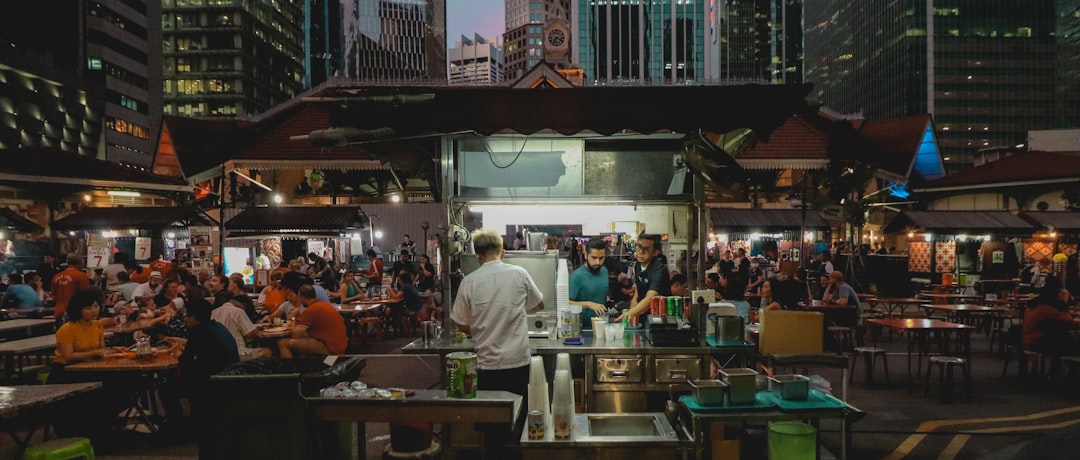
Hawker food holds a special position in Singapore’s festival calendar. Singapore’s hawker culture carries UNESCO recognition as part of the world’s intangible heritage, and festival organisers respond by bringing iconic dishes such as satay, char kway teow, and rojak to the centre of programming.
Hawker centres where Michelin-starred vendors serve chicken rice, laksa, and char kway teow for under SGD 5 represent one of the world’s strongest food value propositions. That SGD 5 price point is not incidental. It is part of a deliberate heritage strategy that keeps the Singapore food festival accessible to all income levels and makes the city’s culinary identity legible to first-time visitors.
Guided tours take visitors through historic districts such as Chinatown and Katong, where guides explain the origins of popular dishes. Workshops cover techniques from noodle-pulling to making kueh, providing a practical connection to local traditions. These formats generate repeat engagement and serve the longer-term tourism retention goals that STB’s Tourism 2040 roadmap prioritises.
Practical decisions for July visitors
Ticket prices for festival experiences typically range from SGD 20 to SGD 50 for a single-day ticket, with VIP experiences priced above that threshold. The spread is wide enough to support multiple strategies: a casual hawker trail costs almost nothing, while an omakase dinner at Chef’s Grill requires advance booking and a higher budget. Visitors who plan by segment rather than by a single event will extract the most value.
The signature events in Singapore’s food festival calendar are large-scale immersive experiences located at iconic venues, designed to showcase the creativity of top culinary talent through bold concepts and dynamic programming. Matching the right event to your available time is the practical task. July in Singapore is competitive across the entertainment and dining calendar, and the most sought-after sessions book quickly.
The Singapore food festival as an economic signal
The Singapore food festival ecosystem in July 2026 is more than a dining programme. For food vendors and artisan food producers, the festival provides direct access to one of Asia’s most food-sophisticated and highest-spending consumer markets, a population that devotes exceptional time, energy, and money to the pursuit of excellent food across every cuisine tradition. That consumer profile is the reason international chefs and hotel groups consistently choose Singapore as a test market for premium concepts.

The Singapore Tourism Board projects 2026 international visitor arrivals between 17 and 18 million, bringing in approximately S$31.0 to S$32.5 billion in tourism receipts, with projections taking a measured approach given global economic uncertainty. Against that backdrop, the Singapore food festival calendar is one of the clearest instruments available for converting arrivals into meaningful spend. The dishes, chefs, and concepts outlined here are the ones most likely to deliver on that conversion, for visitors and operators alike.
Discover more about Singapore food festival
- Singapore Tourism Board: Official Tourism Receipts and 2026 Visitor Forecast
- Sentosa GrillFest 2026: Full Vendor and Chef Programme at Siloso Beach
- Singapore’s Tourism Revenue Falls Despite Rising Arrivals: Mid-Market Analysis (May 2026)