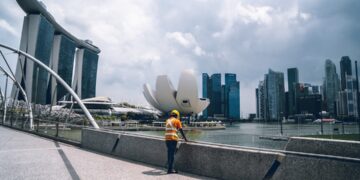


Water innovation is at the centre of Singapore’s long-term urban strategy, and the numbers behind it are striking: a city-state that has turned scarcity into a globally studied model now brings together governments, utilities, investors, and engineers at the Singapore International Water Week (SIWW) to decide what that model looks like next.
Why Singapore treats water as a financial asset
Singapore’s water system is not simply an infrastructure programme. It is an investment thesis. Singapore has an estimated water demand of 2 million cubic metres per day and has diversified its water sources through a “4 National Taps” strategy, which includes imported water, captured stormwater, NEWater, and seawater desalination.
That diversification reduces risk. With Singapore’s water demand projected to nearly double by 2065, NEWater’s role as a dependable and weather-resilient national tap remains vital. For investors and policymakers across Asia, this demand trajectory creates a clear and durable investment signal.
SIWW is part of the strategic programme of the Singapore Government to grow the water industry and develop water technologies. That makes the event both a technical conference and a policy forum with direct commercial consequences.
NEWater and the push to higher recovery rates
NEWater is Singapore’s most recognised water innovation. The NEWater process generates advanced treated water through 3 treatment stages: microfiltration and ultrafiltration, reverse osmosis, and ultraviolet disinfection. The result is water that meets and surpasses World Health Organization standards.
NEWater supplies 40% of Singapore’s current water demand, with plans to increase that share to 55% by 2060. To reach that target, PUB is expanding capacity aggressively. The Tuas NEWater Factory is set for a major expansion, with its capacity tripling from 25 million gallons to 75 million gallons per day, the equivalent of filling 136 Olympic-sized swimming pools daily.

Beyond scale, PUB is also improving efficiency. PUB explored ROTEC’s proprietary Flow-Reversal technology in the reverse osmosis membranes used during NEWater production. Initial trials demonstrated an improvement in recovery rates from 85% to as high as 90%, enabling PUB to produce more NEWater from each drop of treated used water effluent.
Desalination as a drought-proof supply source
Desalination is the second major pillar of Singapore’s water security plan. NEWater and seawater desalination are intended to serve as a drought-proof source of water during prolonged periods of low rainfall. This characteristic makes desalination particularly valuable in a climate context.
Desalinated water currently supplies about 25% of Singapore’s water needs and is expected to meet 30% of demand by 2060. 5 desalination plants are already in operation, with more in the pipeline. Singapore’s Keppel Marina East Desalination Plant is one notable example. In operation since June 2021, it is one of the most advanced desalination plants in the world and one of the first with a dual-mode facility. The plant produces 30 million gallons of clean water every day, enough to fill 7% of Singapore’s daily water demand.
The plant has also been designed sustainably: the treatment facility is underground, freeing up 20,000 square metres of green rooftop and community recreation space. This design approach shows how water infrastructure now serves multiple urban planning objectives at once.
Smart water grids and digital analytics
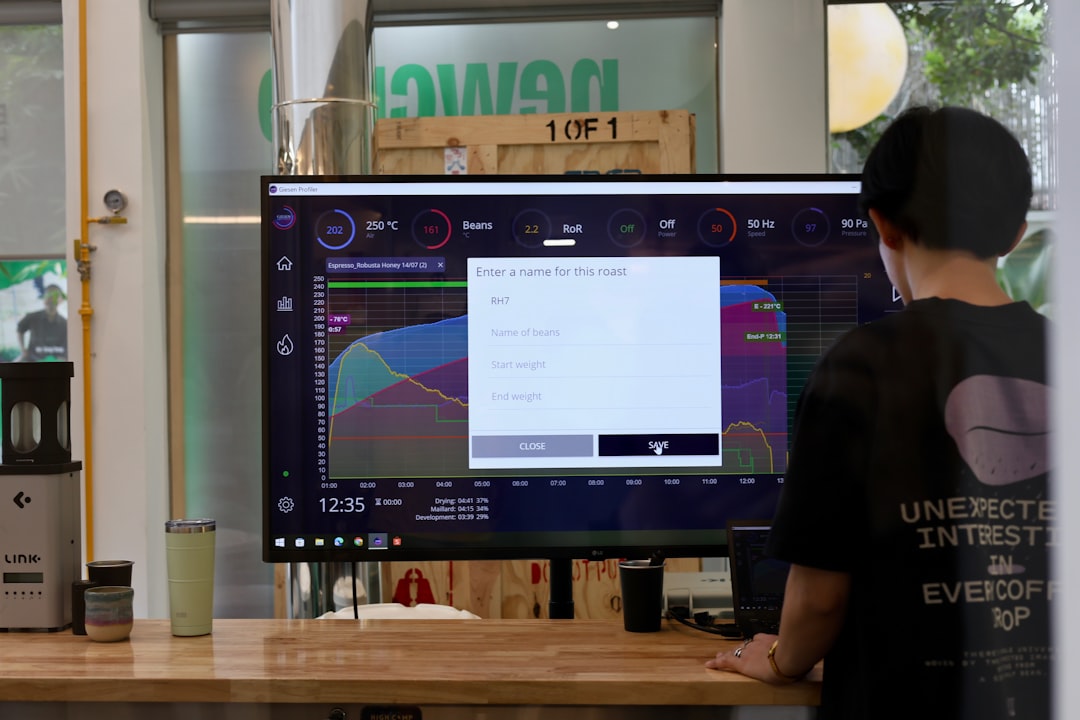
The third innovation area is the digital layer on top of physical infrastructure. SUEZ has been contracted by PUB, Singapore’s National Water Agency, to implement and maintain a Smart Water Grid Analytics Platform, leveraging SUEZ’s AQUADVANCED Water Networks platform. This type of system uses real-time data to detect leaks, predict failures, and optimize pressure across the distribution network.
SIWW2026 will bring together nearly 450 exhibitors and trade visitors from more than 65 countries and regions, showcasing over 2,200 products, technologies, and solutions spanning water management, recycling, water treatment and desalination, energy recovery, digitalisation, and artificial intelligence.
For Singapore as Asia’s financial hub, the smart water grid also represents a procurement model. Digital platforms contract out to private technology providers, which creates recurring revenue streams and measurable performance data. Both features attract institutional capital.
Expert perspective on water innovation investment
Water innovation in cities like Singapore is no longer a question of engineering alone. It sits firmly inside the infrastructure investment conversation. The combination of long-term government demand signals, proven technology at scale, and clear performance metrics makes water assets highly attractive to patient capital. What SIWW provides is rare: a setting where utilities, private technology providers, development banks, and regulators share the same room and speak the same numbers. Quantitative Microbial Risk Assessment, smart grid analytics, and advanced membrane technology are no longer experimental. They are procurement-ready. The investment case for water innovation in Southeast Asia is strong, and Singapore remains the reference point.
Industry perspective, water infrastructure and sustainability investment professionals in Singapore
Rainwater catchment and the land-as-resource model
Singapore has taken a literal approach to maximising its geography. Singapore has turned two-thirds of its land surface into water catchment areas. 17 reservoirs collect rainwater, contributing to 20% of the nation’s water needs. This catchment network is a form of passive infrastructure that complements the active technologies of NEWater and desalination.



As Southeast Asia continues to experience rapid urbanisation and industrial growth, demand is increasing for resilient water infrastructure and integrated systems capable of supporting energy-intensive industries such as advanced manufacturing, data centres, and large-scale cooling applications. Singapore’s catchment and reservoir system also serves as a buffer during extreme weather events, which makes it central to the city’s flood resilience planning.

SIWW Spotlight 2025 focused on how cities can adapt and build greater resilience to floods and extreme weather events. The outputs from that forum feed directly into the planning agenda for SIWW 2026.
Coastal protection as the fifth innovation frontier
The fifth technology area is coastal and flood defence. Singapore faces sea level rise, and the financial commitment is substantial. The government plans to invest US$75 billion in coastal protection measures. This figure positions coastal resilience as one of the largest infrastructure investment programmes in Southeast Asia.
The SIWW2026 Water Convention will address the full spectrum of water challenges, from resilient networks and advanced treatment to efficient reuse, climate resilience, flood protection, and coastal defence, while safeguarding water quality, public health, and driving resource circularity for a sustainable future. Coastal infrastructure is no longer separate from water infrastructure. The 2 domains now share engineering, finance, and governance.
Development and financing institutions, including the World Bank Group and the International Finance Corporation, are expected to participate in SIWW2026, reinforcing the event’s role in linking policy, investment, and project delivery across Asia’s water sector.
Water innovation will define Singapore’s next decade
Water innovation is not a background story for Singapore. It is a front-line economic strategy. The 5 technologies reviewed here, which are NEWater expansion, dual-mode desalination, smart grid analytics, rainwater catchment, and coastal protection, form an integrated system. Each technology reinforces the others, and each creates a different kind of investment opportunity.
SIWW 2026 returns from 15 to 18 June 2026 at the Sands Expo and Convention Centre, Singapore, reaffirming its position as a premier global platform for urban water innovation and solutions. For professionals who follow Singapore as Asia’s financial hub, SIWW is the event where water innovation meets capital allocation. Follow SINwebzine for continued coverage of the numbers behind Singapore’s urban future.
Discover more about water innovation
- PUB Singapore: NEWater and the Four National Taps
- SIWW2026 Official Site: Water Expo and Water Convention
- Water and Wastewater Asia: SIWW2026 Water Expo Opens Registration