
Singapore rituals run deeper than most visitors expect, and if you know where to look, this city hands its heritage to you fresh every single day.
Hawker culture as a shared daily ceremony
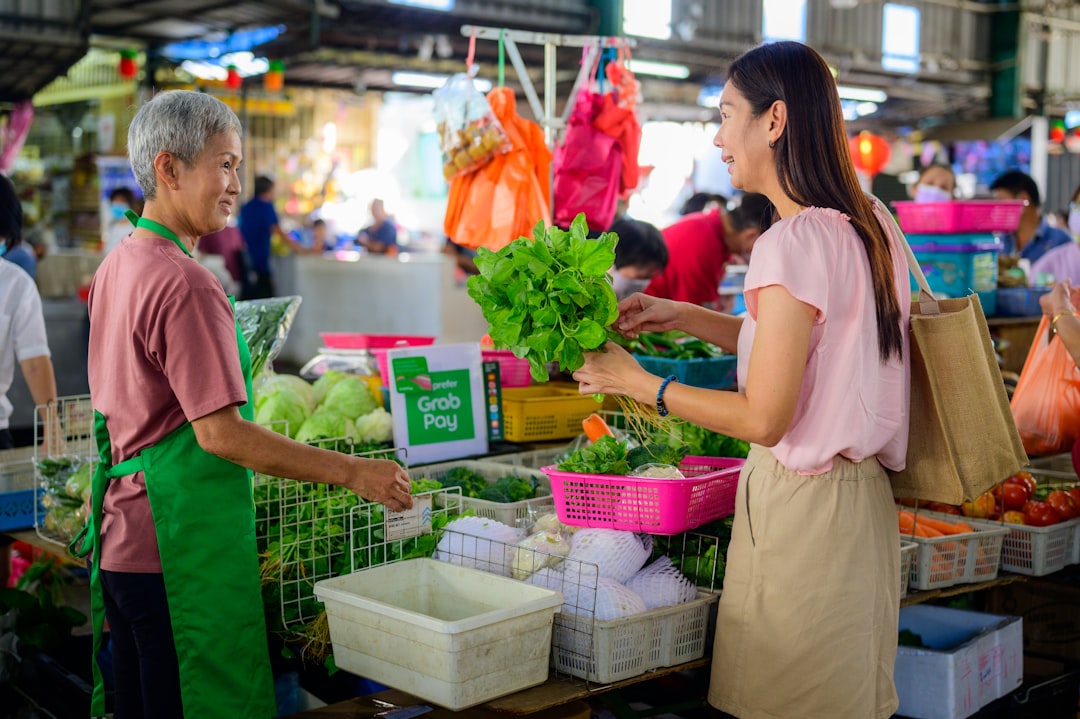
The hawker centre is where Singapore rituals begin for most people. Every morning, aunties and uncles claim their regular plastic stools at the same stall, order the same kopi, and start the same conversations. This is not habit. This is ritual.
Hawker culture in Singapore traces back to street hawkers, and the hawker centres were first built to resettle those street hawkers in the 1970s. Today, the tradition carries far more than food. Hawker culture in Singapore was added to the UNESCO list in December 2020, accepted by a 24-member international committee. The act of eating together at a shared table, from different communities and different plates, is one of the most honest expressions of Singaporean identity.
So, next time you queue at a Maxwell or Lau Pa Sat stall, understand that you are taking part in something older and more meaningful than lunch.
The Chinese tea ceremony and its quiet power
Few Singapore rituals carry as much emotional weight as the Chinese tea ceremony. Traditionally performed at weddings, a younger family member kneels and presents tea to elders as a direct act of respect and gratitude. Tea ceremonies are an important cultural symbol of respect, often performed at weddings.
The ritual requires no words. The bow, the cup, the exchange: all of it communicates what a speech cannot. Families in Toa Payoh and Tampines still gather for this ceremony on wedding mornings, whether in a small HDB flat or a hotel ballroom.

Furthermore, the ceremony has adapted well. Younger Singaporeans sometimes add personal touches, but the core structure stays. That balance between change and continuity is exactly what makes Singapore rituals so resilient.
Deepavali oil lamps and rangoli in Little India
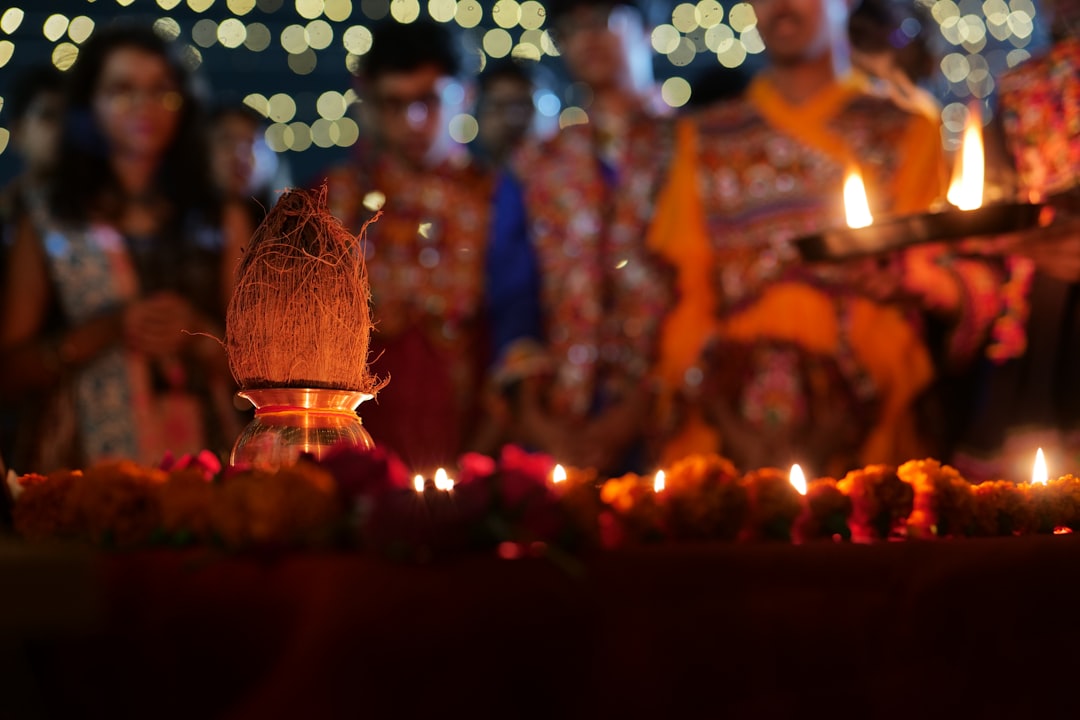
Walk through Little India in October or November and the streets shift entirely. Deepavali, the Festival of Lights, is a major Hindu celebration. It is celebrated in October or November, depending on the Hindu lunar calendar. In Singapore, Little India is the heart of Deepavali celebrations, where the streets are illuminated with intricate light displays.
Inside homes, the ritual is quieter and more personal. In preparation for Deepavali, doorways of homes are decorated with diyas (small clay oil lamps) and rangoli (intricate patterns made from coloured rice powder or rice grains) for auspicious purposes. Rangoli is a traditional floor art where the motifs are created to usher deities into the home.
Sri Mariamman Temple, Singapore’s oldest Hindu temple, is a vibrant landmark steeped in rich history and tradition. Dedicated to the goddess Mariamman, the temple’s ornate architecture and colourful sculptures showcase South Indian Dravidian artistic heritage. Visiting during Deepavali connects you to one of the city’s most sensory and spiritually alive traditions.
Expert perspective on living heritage
Singapore’s intangible cultural heritage is about more than preservation. It is about constant adaptation. Communities here do not simply repeat what their ancestors did. They find ways to make old practices speak to new circumstances, whether that means a hawker family adding a new dish that blends 2 traditions, or a classical dance group creating work that addresses contemporary issues. What sustains these rituals is not nostalgia. It is genuine community ownership. When people feel that a tradition belongs to them, they protect it, they teach it to their children, and they find creative ways to keep it breathing. The inventory process, which now documents over 106 elements of living heritage, reflects exactly that community-driven approach to safeguarding culture.
Industry perspective, heritage and intangible cultural heritage professionals in Singapore
Kompang drumming at Malay weddings in Geylang Serai
Hari Raya Puasa is a highlight of the Malay calendar, with homes opening for feasts and the streets of Geylang Serai decorated with lights. But the ritual that stops people on the street is kompang drumming. Traditional music, like kompang drumming, and dances such as joget, are performed during weddings and festivals.
The kompang is a hand-held frame drum. A group of men plays in precise, overlapping patterns to announce the arrival of the groom and bless the occasion. The sound travels far, and in a dense neighbourhood like Geylang Serai or Kampong Glam, it signals to everyone nearby that something important is happening.
Malay traditions are best experienced at cultural enclaves like Kampong Glam, where the Sultan Mosque stands as a symbol of heritage. Come on a Saturday morning in the right season, and you will hear kompang before you see the wedding party.



Getai performances during the Hungry Ghost Festival
Every August, open-air stages appear in carparks and open spaces across Singapore. Getai consists of open-air stage shows held during the Hungry Ghost Festival, featuring music, skits, and tribute performances. Traditionally performed in dialects, modern getai may include English and Mandarin to reach younger audiences.
The front row of every getai show is always left empty. Those seats are for the spirits. That single detail, observed faithfully at every performance, is one of the most quietly powerful Singapore rituals in the city. Residents set up folding chairs behind the spirit row and enjoy the show together, neighbours who might rarely speak otherwise.

Festival highlights include Out of the Red Box, a theatrical fusion of Teochew opera and getai, showing how this community tradition continues to find new creative forms even as its spiritual purpose stays unchanged.
Thaipusam and the kavadi procession at Batu Road
Thaipusam is one of the most physically intense Singapore rituals on the calendar. Devotees carry the kavadi, a decorated frame attached to the body through metal skewers, as an act of devotion and penance to the god Murugan. The procession moves from Sri Srinivasa Perumal Temple in Little India to Sri Thendayuthapani Temple on Tank Road.
Observers can see traditional Hindu rituals and ceremonies conducted by priests at the temple. The atmosphere during Hindu festivals like Thaipusam features colourful processions and religious offerings. Preparation for the kavadi begins weeks before the festival, with devotees fasting and praying to build the spiritual strength for the ritual.
This is not a performance for tourists. It is a genuine act of faith that draws thousands of Tamil Singaporeans together in a shared spiritual community. Watching it from the street, with incense thick in the air and drums keeping pace with the procession, is an experience that stays with you.
Peranakan wedding rituals in Katong and Joo Chiat
Katong is home of the Peranakans, and the neighbourhood’s identity is shaped by its unique architecture: colourful two-storey shophouses, colonial bungalows, intricate motifs and ceramic tiles. Inside those shophouses, the Peranakan wedding remains one of the most elaborate and layered rituals in Singapore.
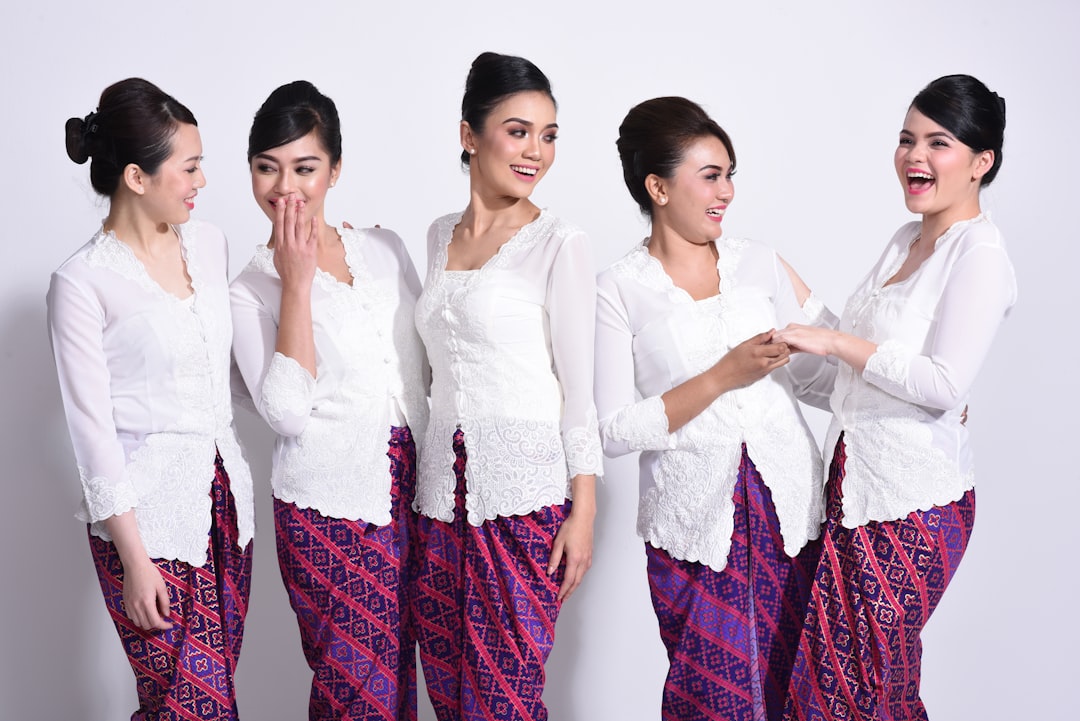
A traditional Peranakan wedding spans 12 days and includes rituals such as the sireh ceremony, the dressing of the bride, and special betel leaf offerings. The Peranakan community, descendants of Chinese immigrants who settled in the Malay archipelago and married locals, represents a unique cultural blend. Their fashion, especially the ornate kebaya with beaded slippers, is iconic.
Building on the successful UNESCO recognition of hawker culture in 2020, the multinational inscription of the kebaya in 2024 further honours the full spectrum of Singapore’s living heritage. The kebaya worn at a Peranakan wedding today carries that international recognition and centuries of local craft in every stitch.
Why Singapore rituals still matter
Singapore rituals are the city’s most honest biography. They record where communities came from, what they value, and how they chose to keep those values alive across generations. Singapore’s intangible cultural heritage is about continual adaptation, which is necessary to keep pace with the demands of the modern world. By presenting traditional forms in a more contemporary design or merging old and new together, Singapore’s traditions constantly find new ways to thrive among Singaporeans.
From a hawker centre table in Tiong Bahru to a kavadi procession on Serangoon Road, Singapore rituals give this city its depth. Explore them with an open eye and an empty stomach, and Singapore will show you exactly who it is.
Discover more about Singapore rituals
- Singapore Intangible Cultural Heritage Inventory (National Heritage Board)
- Surveying and Inventorying Intangible Cultural Heritage in a Multicultural Society: The Singapore Case Study (Getty Publications)
- Singapore HeritageFest 2025 Unites the Nation to Celebrate Living Traditions (Indiplomacy, April 2025)