
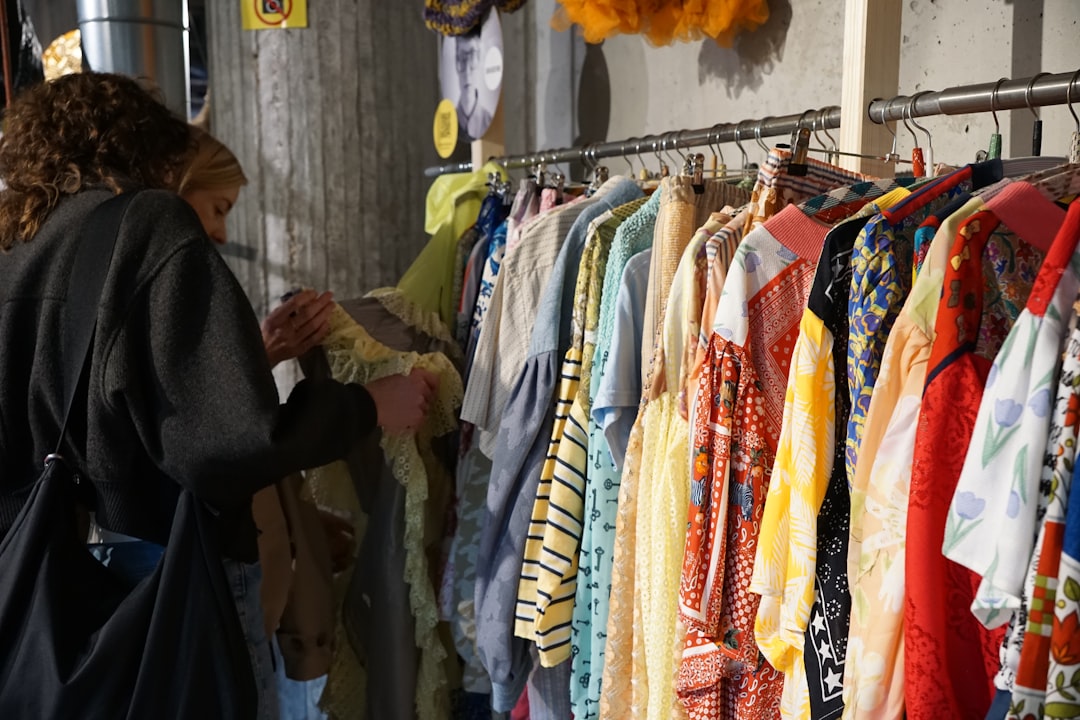
Slow fashion in Singapore is having a genuinely exciting moment, and July’s warm, wet weather gives you the perfect reason to rethink every item in your wardrobe.
Why July changes everything
Singapore sees around 14 rainy days in July, with average daily highs of 30°C. That combination of heat and rain makes cheap, synthetic fabrics feel unbearable by midday. Breathable, natural materials are not a luxury in this weather. They are a practical requirement.

Singapore’s sustainable fashion sector was valued at USD 30.28 million in 2024 and is on track to expand dramatically. Local designers are responding to that demand with pieces that work in tropical conditions and last far longer than a single season. The result is a growing scene of talented makers who take both craft and conscience seriously.
Esse: timeless pieces built to last
Esse is a conscious womenswear label founded in 2017 and is considered a pioneer of Singapore’s slow fashion movement. The brand uses eco-friendly materials like Tencel, bamboo, and organic cotton, while also repurposing surplus designer fabrics to minimize waste. Those materials breathe well in July’s heat and hold their shape through repeated washing.
With a focus on timeless, seasonless designs, Esse promotes thoughtful consumption and encourages its community to rethink the lifecycle of their garments. For July dressing, their relaxed silhouettes move well and dry quickly. That matters when afternoon rain arrives without warning.
Summery The Label: linen for the tropics
Summery The Label is a Singapore-based slow fashion brand that works exclusively with medium-weight linen. Linen absorbs moisture and releases it fast, which makes it one of the most practical fabrics you can choose for Singapore in July. It also creases beautifully, which the brand considers a feature rather than a flaw.

Known for its timeless designs, Summery The Label offers versatile day-to-night pieces. In an effort to be sustainable across all levels, the label constantly reexamines ways it can streamline its design processes. Every collection the label releases is small and thoughtfully curated. From casual button-ups to whimsical dresses, there is no shortage of stylish pieces here.
Dear Samfu: deadstock with a heritage story
Dear Samfu, founded by Trixie Chua in 2020, breathes new life into the traditional samfu, a practical two-piece outfit once popular among Chinese women. Inspired by her grandmother’s wardrobe, Chua reimagines this timeless style for modern women, blending nostalgia with functionality to create versatile pieces perfect for a capsule wardrobe.






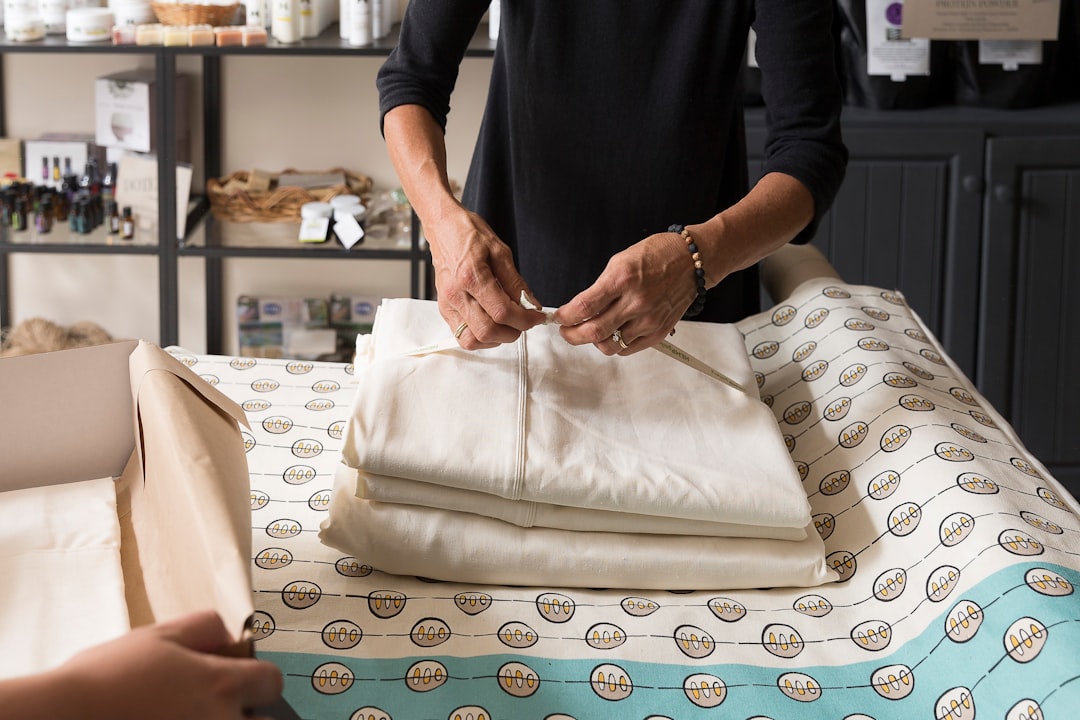
The brand’s approach to materials is equally considered. Dear Samfu uses deadstock fabrics, produces designs in small batches, and ensures ethical manufacturing in a family-run Cambodian factory. Deadstock fabric means no new resources are consumed to make your shirt. That is slow fashion at its most practical and most meaningful.
What the industry is saying
Singapore’s slow fashion scene has matured significantly. Designers here are no longer making environmental credentials the headline. They are making great clothes first and letting the ethics speak for themselves. Consumers in this city are sophisticated. They notice quality. They also notice when a brand is being honest about its supply chain and when it is not. The labels gaining real loyalty right now are the ones that combine wearability with full transparency, particularly around fabric sourcing and production conditions. In a market as discerning as Singapore, that combination is what separates a lasting brand from a short-lived trend.
Industry perspective, sustainable fashion and retail professionals in Singapore
Sui: ethical womenswear with Indian craft
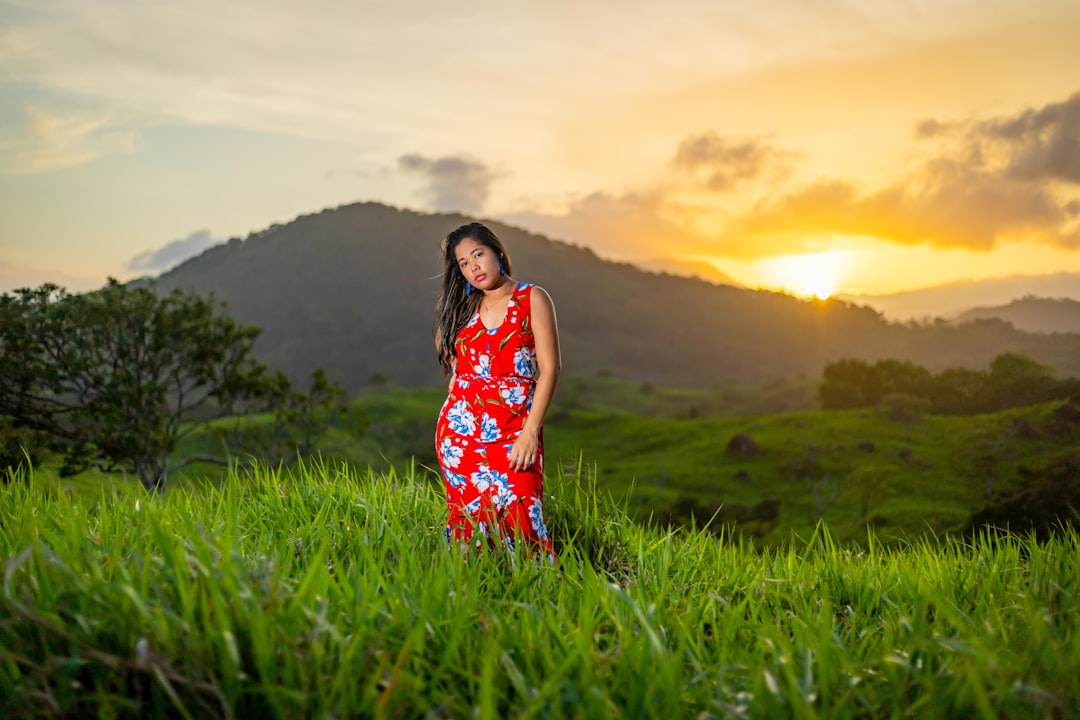
Sui stands on the principle of slow fashion to guide people towards a more conscious approach to fashion consumption. The idea of being green can help each individual to make a conscious purchase. The brand works with artisan communities in India to produce its garments, and that relationship is central to what makes it distinctive.
Beyond its tailoring and resort wear aesthetic, Sui’s most distinctive feature is that garments are categorised according to materials and craft. For those choosing breathable fabrics, Sui offers options from organic cotton to lightweight linen and handwoven silk. For Singapore’s July heat, the linen and organic cotton ranges are the ones to explore first.
Studio Gypsied: batik for the modern wardrobe
Studio Gypsied is an answer to fast fashion’s disregard for tradition. It is a brand for batik and traditional silhouettes reimagined for modern versatility. The slow fashion brand celebrates founder Aqilah Zailan’s Javanese heritage by incorporating batik into sustainable fabrics like EcoVero and Tencel, which hold dyes well and result in vibrant, lasting colours.
Batik prints in breathable Tencel work particularly well in July. The fabric manages humidity, and the prints do not fade with frequent washing. Each motif and silhouette connects the wearer to the stories embedded in each piece. That is a more compelling reason to keep a garment than any fast fashion alternative can offer.
Graye Studio: unisex minimalism, regenerated fibres
Graye Studio is a sustainable men’s and unisex fashion design studio based in Singapore. Their designs balance sustainability with high-concept ideas, a minimalistic approach, and hyper functionality. The brand prioritises intentionality and circularity within the context of a slow, contemporary way of life.
Specialising in unisex apparel, Graye Studio offers versatile pieces made from eco-friendly materials, including regenerated fibres, to minimize environmental impact without compromising on comfort. In a city where office dress codes and weekend wear increasingly overlap, that kind of versatile, ethical design earns its place in any wardrobe.

Slow fashion is the smartest choice for July
The Singapore Fashion Council runs a Fashion Sustainability Programme and is developing an ASEAN-based regional plan for sustainability and circularity. The infrastructure supporting slow fashion in this city has never been stronger. These 6 designers show exactly what that support makes possible.
If July’s heat and rain persuade you to replace one fast fashion item this month, choose a slow fashion piece instead. You will wear it through next July, and the one after that. Browse the labels above, support the designers behind them, and build a wardrobe that makes sense for Singapore’s climate and your conscience. Slow fashion deserves a permanent place in your rotation.
Discover more about slow fashion
- Singapore Fashion Council: Fashion Sustainability Programme
- The Green Collective: Sustainable Fashion in Singapore, Local Brands You Need to Know
- The Peak Magazine: Sustainable Fashion in Singapore Is Finally Growing Up (January 2026)