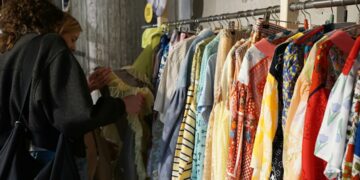

Thrifting designer pieces in Singapore is no longer a niche hobby for the dedicated few. It has become a proper movement, and the city’s vintage shops are finally ready for the attention.
Why the secondhand market is growing here
Singapore’s appetite for preloved fashion has grown quickly. Research shows over 36% of Singaporeans have embraced sustainable fashion, signalling a growing commitment to smarter, more eco-friendly wardrobe choices. That number reflects a real change in how people here think about getting dressed.

The numbers behind this shift are striking. Singapore’s sustainable fashion sector, valued at USD 30.28 million in 2024, is on track to expand to USD 232.65 million by 2033, registering an impressive 25.4% CAGR. The urgency is also environmental. In 2024 alone, the National Environment Agency reported that Singapore generated 206,000 tonnes of textile and leather waste, with only about 3.4 per cent being recycled.
Amid concerns about overconsumption and textile waste, Singapore’s growing thrift scene has become more relevant than ever. The rise of curated thrift boutiques and social-media-driven trends are reshaping perceptions of secondhand shopping and bringing it to centre stage. For shoppers, this means more choice, better curation, and genuine designer finds at serious discounts.
The best areas for thrifting designer pieces
Orchard Road is a strong starting point. Japan’s largest thrift store chain has landed in Singapore, with pre-loved Dior, Chanel, Hermès, and Louis Vuitton pieces strictly screened for authenticity and condition. This is 2nd Street, which opened its first outlet at 313@somerset on April 29, 2025, marking a significant moment for the city-state’s growing thrifting culture. Shoppers can look forward to thrifting over 22,000 unique pieces at prices that start from $5.
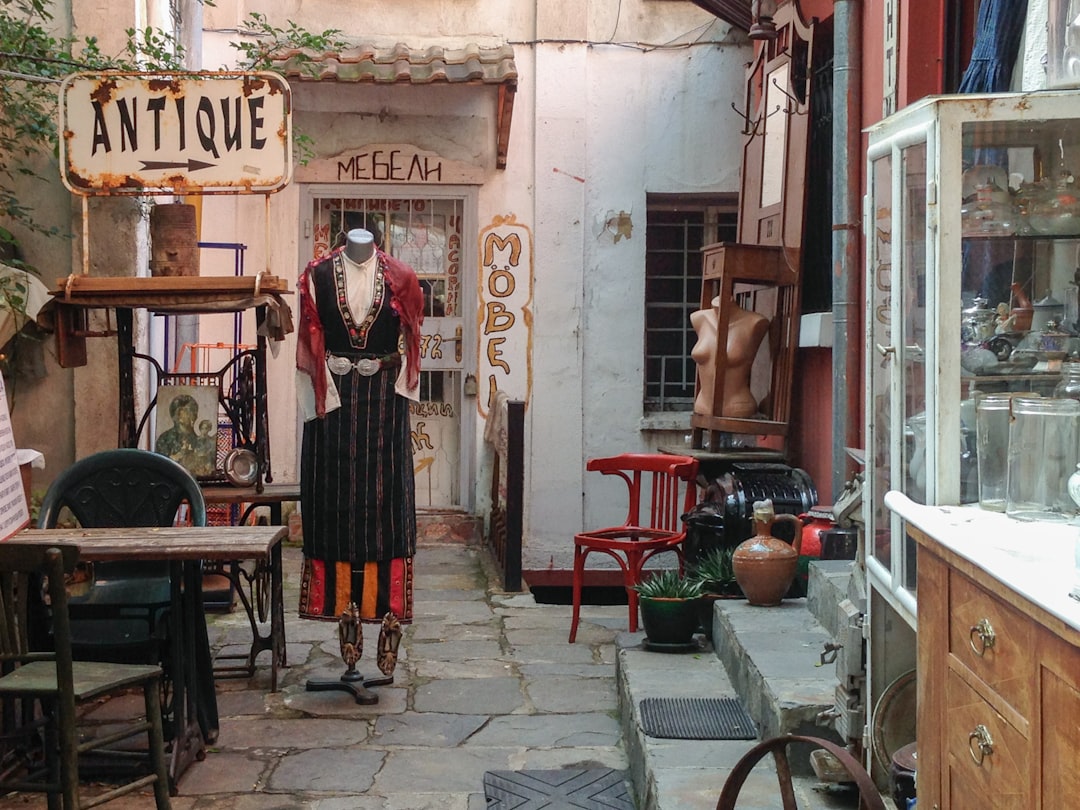
For a more curated vintage experience, Haji Lane and Joo Chiat deliver reliable rewards. From vintage Yves Saint Laurent to Valentino, A Vintage Tale in Joo Chiat houses avant-garde clothing, shoes, bags, and jewellery sourced from Japan, Europe, and the United States, mostly from the 1950s to the 1990s. The store also hosts occasional “Kilo” events where 1 kilogram of clothing costs only $10.

Over on Haji Lane, Kaeru Thrift stands out for its curation of vintage finds from Japan and the United States. Nearestten in Chinatown is equally worth the trip. The three-storey outlet at 32A Pagoda Street carries branded or vintage items on the first level, with prices in denominations of 10 and nothing above $50.
What to look for when buying preloved luxury
Buying designer secondhand requires a different approach than buying retail. Authentication is the first consideration. Huntstreet, which has expanded to Singapore with a stocked showroom of pre-loved fashion from Hermès, Alaïa, Tiffany and Co., and more, gathers its pieces from across the region. Shops like Huntstreet handle authentication for you, which removes much of the risk.
Condition assessment matters just as much as brand recognition. A common misconception is that secondhand clothing is unclean or unhygienic. In reality, most thrift stores take great care in cleaning, mending, and quality-checking their pieces before putting them up for sale. Many shops go the extra mile by steaming, sanitising, or even professionally laundering their clothes to ensure they are in good condition before they reach customers.
Also, keep your visit open-ended. Shopping secondhand is not like shopping off the rack, so you may not always find the exact items you want. However, if an item ticks most boxes for you, it is probably worth considering. Knowing your measurements before you walk in saves a great deal of time when the fitting room queue is long.
Expert perspective on Singapore’s thrifting culture
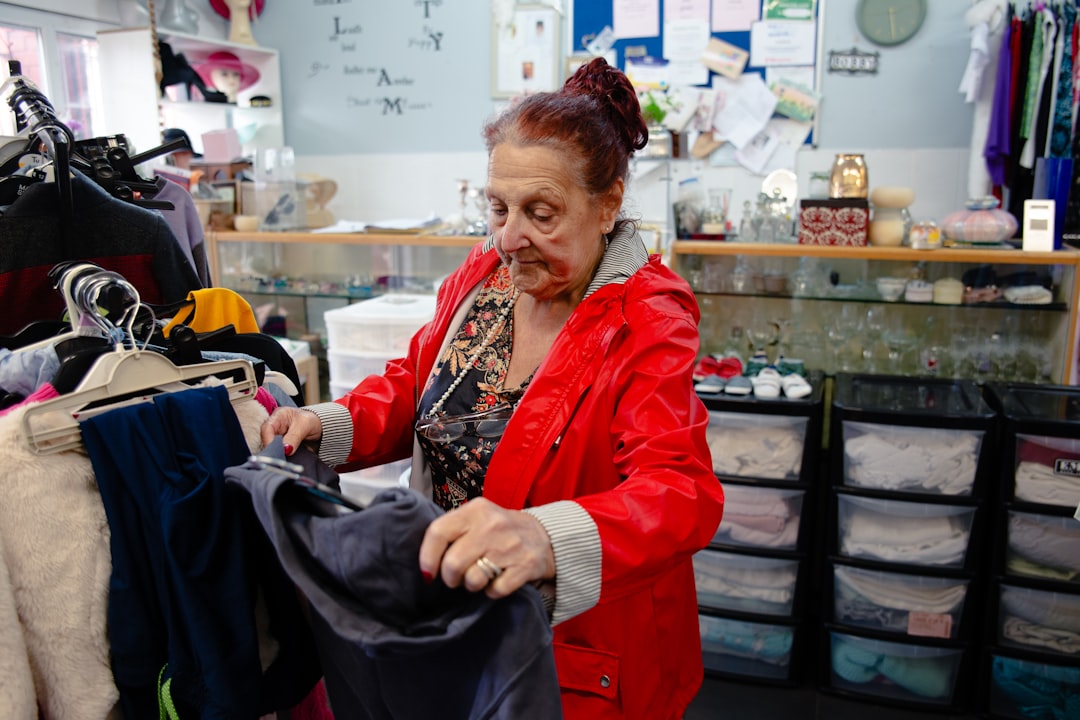
Buying secondhand, whether vintage or contemporary, is seen not only as a smarter value but also as a way of honouring the artistry that goes into well-made pieces. Clients in their 40s and beyond are increasingly turning to thrifting and pre-loved luxury. As retail prices climb and big brands flood the market with too much product, many feel it dilutes the meaning of true craftsmanship. A curated preloved purchase is, in many ways, a more considered act of consumption. Choosing a preloved designer piece in Singapore today says something about how you want to engage with fashion.
Industry perspective, sustainable fashion and retail professionals in Singapore
Swap, consign, and give back
Not every visit to a vintage shop needs to end with a purchase. Singapore has several strong options for shoppers who want to participate in the circular system more actively. The Fashion Pulpit offers a membership and point-based swapping system. Customers can bring in their clothes, earn points in return, and use those points to shop for new pieces in the store.
Consignment is another practical route. The consignment model at 2nd Street quickly made it a hub for sellers to pass on rare pieces while giving buyers access to unique finds. This means the stock turns over regularly, which gives repeat visitors a genuine reason to return.
For shoppers who prefer to sell online, Refash is an online and offline marketplace for men and women to buy and sell “like new” fashion. Carousell is another platform where great thrifting finds appear regularly. Checking both before heading to a physical shop can help you target specific labels more efficiently.






Smart habits for repeat thrift shoppers
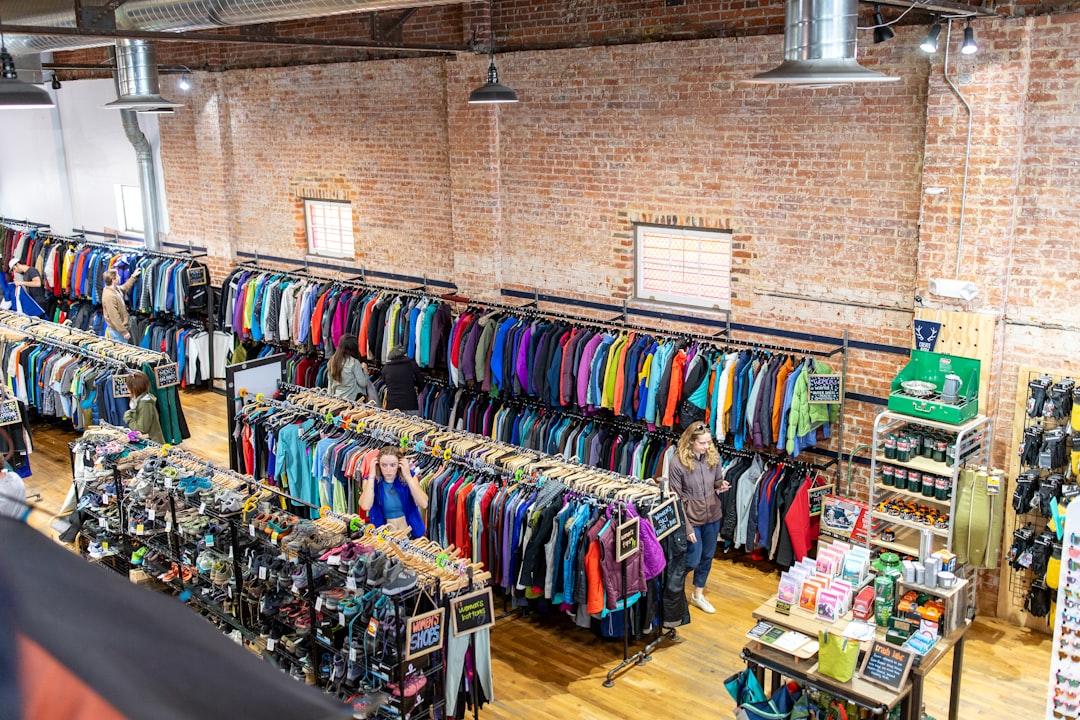
Consistency separates occasional lucky finds from a genuinely great preloved wardrobe. Visit your favourite shops regularly, because stock changes constantly. Some stores restock their racks weekly, so a single visit rarely tells you the full story of what a shop can offer.
Follow the social media accounts of your preferred stores. Platforms like Instagram and TikTok are full of thrift hauls, upcycling tutorials, and eco-friendly outfit inspiration. Many Singapore vintage shops announce new arrivals and flash sales through these channels before the pieces reach the shop floor.

Also, be prepared to act. The appeal of finding unique pieces, from vintage designer bags to one-of-a-kind streetwear, often at a fraction of the original cost, is real. A vintage Prada bag for under US$300 is the kind of find that fuels this passion. When you see something remarkable at the right price, hesitation rarely rewards you.
Conclusion: make thrifting designer your new standard
Thrifting designer pieces in Singapore is one of the most intelligent ways to build a wardrobe that is both personal and responsible. The city offers genuine depth, from the organised floors of 2nd Street on Orchard Road to the intimate rails of A Vintage Tale in Joo Chiat. Every visit carries the possibility of a real find. Approach thrifting designer shopping with intention, visit regularly, check authenticity carefully, and you will build a collection that retail simply cannot replicate. Singapore’s preloved scene has never been more accessible or more exciting. Go and explore it.
Discover more about thrifting designer
- Singapore Fashion Council: Zero Fashion Waste Initiative
- The Peak Singapore: Sustainable fashion isn’t dead, it’s finally growing up
- Singapore’s thrifting scene and sustainability