

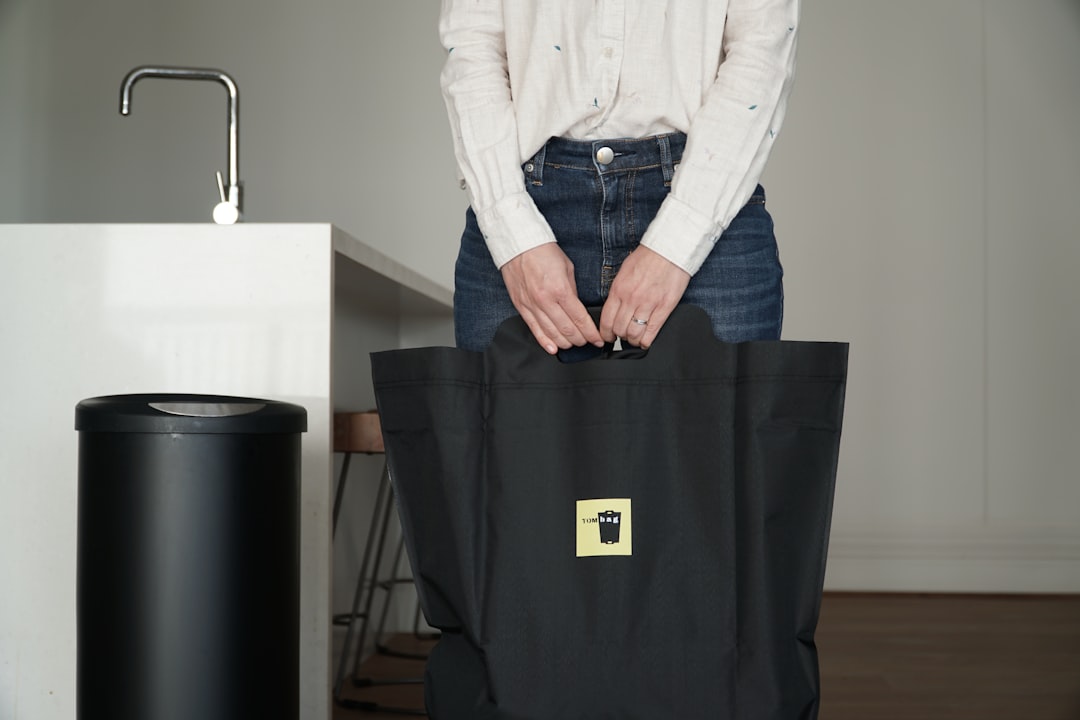
HDB composting is one of the most practical habits a Singapore resident can build, and the reasons most people avoid it are far easier to solve than you might expect.
Why food waste is a problem worth solving at home
Singapore generates around 2 million kilograms of food waste every single day. That is a remarkable figure for a city of this size. As Singapore’s only landfill, Semakau, continues to fill, a grassroots movement is emerging to encourage citizens to turn food waste into compost instead.

The good news is that you do not need a garden, a shed, or a particularly adventurous spirit. You need a bin that fits under your kitchen sink and about 3 minutes of attention every couple of days. In the confined spaces of HDB flats and condominiums, composting needs to be 3 things: efficient, odourless, and convenient. Thankfully, modern composting methods are perfectly suited to these requirements.
The method that works best in a flat: bokashi
Compact solutions like bokashi bins are specifically designed for limited kitchen or balcony space. Unlike traditional composting, bokashi can handle meat, dairy, and cooked food scraps, making it a more flexible option. That alone puts it ahead of most alternatives for the average Singapore household, where a meal rarely consists of just vegetable peels.
The bokashi process works through fermentation, not decomposition. You layer your food scraps with a bran inoculant (widely available at local eco shops and online), press the contents down, and seal the lid. Bokashi bins are well suited for fermenting organic waste in a sealed, odour-free environment. There is no open rotting, no attraction for flies, and no smell escaping into your living room.
The National Environment Agency (NEA) of Singapore has funded initiatives that promote household food waste recycling through bokashi composting at the community level. So this is not simply a trend borrowed from elsewhere. It has local backing and a track record in Singapore’s own neighbourhoods.

What to do when the bin is full
This is the question most HDB residents ask first, and it is a fair one. You do not have a garden to bury the fermented matter. You have a tiled balcony and perhaps a few pots of Thai basil.
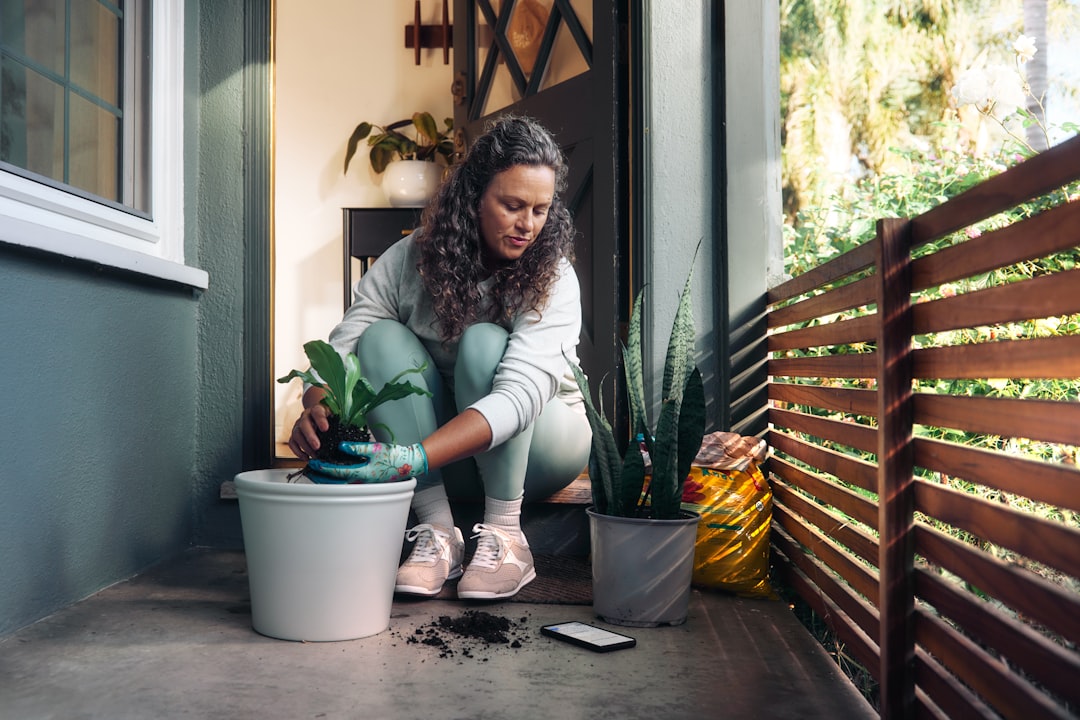
The fermented output from a bokashi bin is actually a liquid and a solid. The liquid, diluted with water at a ratio of about 1 to 100, works as an excellent liquid fertiliser for your potted plants. The solid pre-compost can go directly into a pot of soil, where it breaks down within 2 weeks. Whether it is a bokashi bin tucked under the sink or a compact system on the counter, there is a solution for every home.
If you are not ready to commit to a full system, keep a compostable bag in your freezer to store food scraps like vegetable peels, coffee grounds, and eggshells. Once it is full, drop it off at a nearby community composting point. Several HDB estates now have community composting stations, often coordinated through Residents’ Committees or neighbourhood green groups.






Expert perspective
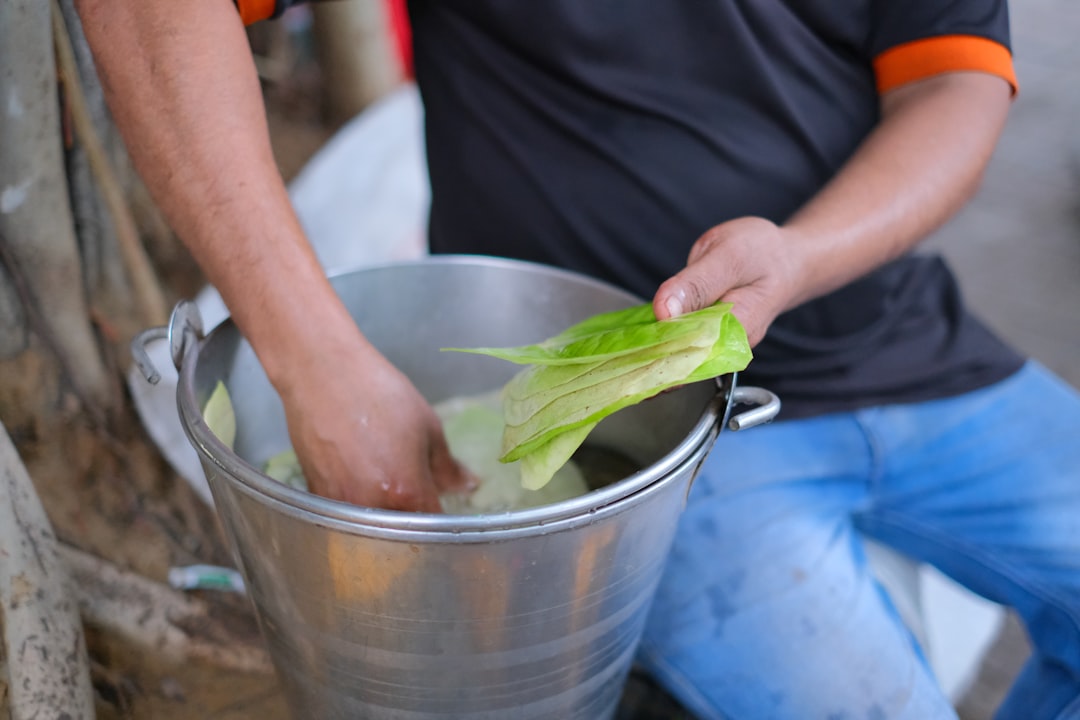
Urban composting in Singapore is no longer a niche activity for dedicated eco-enthusiasts. It is becoming a practical response to a real infrastructure challenge. Semakau landfill has a finite lifespan, and household food waste is one of the most manageable streams to redirect. Methods like bokashi fermentation suit HDB living precisely because they are sealed, low-maintenance, and produce a usable output. The barrier is rarely space or smell. It is simply familiarity. Once residents try it for 2 weeks, most continue. The composting tools are ready. The shift that is needed now is in how households think about food scraps, not as rubbish, but as a resource.
Industry perspective, sustainability and urban composting professionals in Singapore
The fruit fly problem and how to avoid it entirely
Fruit flies do not appear because of composting. They appear because of exposed, rotting food. A properly sealed bokashi bin removes this risk almost completely. Most modern compact composting bin models come with a sealable lid and carbon filters to trap odours while allowing airflow, so you will not have to worry about any unpleasant smells in your flat.
For vermicomposting (composting with worms), the rules are slightly different. Worms are incredibly beneficial to soil ecosystems, boosting nutrients significantly while eliminating harmful parasites. Their activity can also increase the speed of composting by up to 2 times. However, a worm bin requires slightly more management. Cover fresh food scraps with dry cardboard or coco peat each time you add material. This keeps the bin balanced, reduces odour, and prevents flies from laying eggs.
Composting reduces household waste, closes the nutrient cycle, and prevents air pollution. These are meaningful benefits, even at the scale of a single kitchen. Apart from being environmentally responsible, composting also saves money on fertilisers. For anyone growing herbs or vegetables on an HDB balcony, that is a practical reason to start today.
HDB composting: the simplest way to start
If you have read this far and still feel hesitant, start with the freezer bag method. Place a compostable bag inside a small container in the freezer. Add your food scraps after each meal. Frozen scraps produce zero smell and zero flies. When the bag is full, find your nearest community composting drop-off point through the NEA’s food waste management resources or your local Residents’ Committee. This single step is a form of HDB composting, and it costs you almost nothing.
When you are ready to go further, a bokashi starter kit is the logical next step. HDB composting does not require a lifestyle overhaul. It requires a bin, a bag of bran inoculant, and a small shift in how you see the scraps on your chopping board. Singapore’s food waste challenge is large. Your kitchen response to it is, pleasingly, very small.
Discover more about HDB composting
- NEA Food Waste Management Strategies
- Urban Composting Creates Climate Action Opportunities for Singapore, East Asia Forum
- Compost Systems Adapt to Small Singapore Homes, The Green Collective SG