

GastroBeats waste reduction is now a headline act at Singapore’s favourite outdoor food festival, and the 2026 edition has more green moves than ever before.
What is GastroBeats and why does it matter
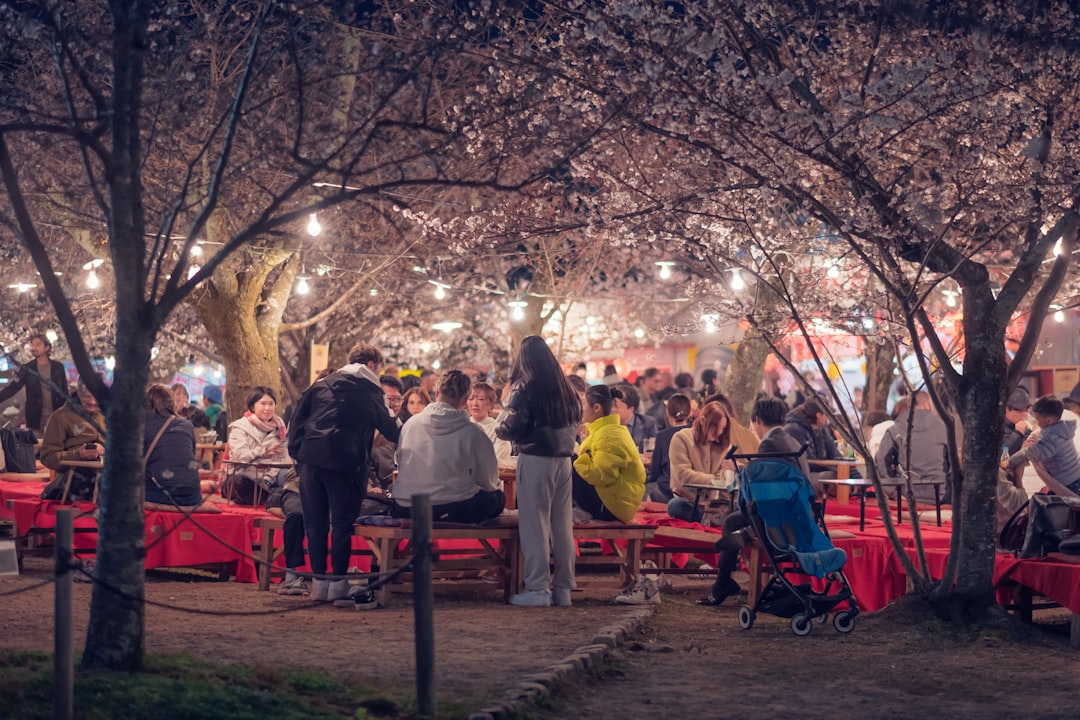
GastroBeats returns to Bayfront Event Space as the festival village of i Light Singapore 2026, and in its fifth year, the event celebrates Singapore’s cultural tapestry across food, music, and sports. That combination pulls enormous crowds to the Marina Bay waterfront every evening.

Singapore’s biggest homegrown food festival takes over the Bayfront Event Space beside Marina Bay Sands from 5 to 28 June 2026, and general entry is completely free. Free entry means more people, which also means more plates, more cups, and more packaging to manage.
The festival features 40 homegrown food vendors, live music performances by local musicians, and a carnival with lots of entertainment for all ages. Scale like that makes every waste decision count.
The plastic ban and packaging rules
Eco-friendly food packaging and utensils are used at GastroBeats, and no plastic straws are provided. This rule has been in place across multiple editions of the festival and continues in 2026.
To promote eco-conscious habits, GastroBeats strongly encourages visitors to bring their own reusable cups, flasks, and tupperware to reduce waste. It is a small action, but multiply it by tens of thousands of evening visitors and the numbers become meaningful.

In support of GastroBeats’ sustainability efforts, Coca-Cola Food Fest features a special recycling activity and recycling bins for consumers to recycle their plastic bottles and cans. Brand partners are now part of the waste reduction framework, not just sponsors.
Energy and power on the festival grounds
The festival uses energy-efficient lighting, solar-powered facilities, and has banned plastic straws from the event grounds. These choices reduce both carbon output and physical waste at the same time.
GastroBeats strengthens its sustainability efforts by using rechargeable batteries for selected lighting posts and back-of-house operations. Solar energy is also used to power air-conditioned portable toilets, setting a new benchmark for eco-conscious event amenities. It is hard not to appreciate the irony: the most unglamorous item on a festival site is now one of its greenest.
Together, these energy measures align the festival with Singapore’s national direction. As part of Singapore’s Zero Waste Masterplan, the aim is to increase the total recycling rate to 70% by 2030. Events like GastroBeats give that target a public, visible face.

Expert perspective on sustainable events
Singapore is at an interesting point. Public awareness of climate change and pollution is rising sharply, government frameworks are robust, and attendees increasingly expect responsible experiences from the events they attend. Festivals that embed sustainability into operations rather than treating it as a marketing add-on are the ones that genuinely move the needle. Waste segregation, reusable container policies, and solar energy at large outdoor events are not radical ideas. They are simply good management. The key is consistency across every edition, not just when the pressure is highest. Organizers who track their waste diversion rates and share that data publicly will set the standard for the rest of the industry here.
Industry perspective, sustainability and events management professionals in Singapore
Food sourcing and what vendors serve
Visitors benefit from the inclusion of more sustainably produced food options, including ingredients cultivated through organic farming methods, locally grown seasonal produce, and ethically sourced meats. This goes beyond packaging and tackles waste at the source.
GastroBeats is deliberately built around homegrown Singapore food and beverage brands. Expect a mix of beloved local classics such as chilli crab, chicken rice, and satay, alongside inventive contemporary fusion and a solid lineup of dessert vendors and craft drink stalls. Local sourcing shortens supply chains and reduces transport packaging.
Up to 40 vendors serve classic and modern dishes, alongside a new Elevated Dining Zone offering artisanal and bespoke food and beverage options. That new zone is worth watching for how premium vendors handle packaging differently from standard stalls.
Why this connects to Singapore’s bigger picture
Singapore produces significant food waste at a national level. In the last 5 years, Singapore, with a population of 5.9 million, generated approximately 759 tonnes of food waste on average, adding pressure to the country’s food and land resources. A festival that draws hundreds of thousands of visitors across 24 days sits squarely inside that challenge.
This evolution in event sustainability stems from heightened public awareness of climate change and pollution, robust government frameworks, corporate ESG pressures, and attendees who increasingly favour responsible experiences. In Singapore, these efforts align with the nation’s sustainability ambitions.







The Singapore Green Plan 2030 targets a 20% reduction in waste sent to landfill per capita per day by 2026, in efforts to increase the lifespan of Semakau Landfill beyond its projected capacity by 2035. Every festival that reduces its waste output contributes directly to that target.
GastroBeats waste: the bigger takeaway
GastroBeats waste reduction is no longer a side note on the festival website. It is now embedded in how the event is powered, how food is packaged, and how vendors are selected. GastroBeats 2026 is held alongside i Light Singapore 2026, a sustainable light art festival in its 12th edition, also running from 5 to 28 June 2026. That partnership reinforces the message.
If you visit this month, bring a reusable bottle and container. Your tote bag is as much part of the GastroBeats waste story as the solar toilets. Head to the official GastroBeats website at gastrobeats.com.sg to check opening hours and vendor updates before you go.
Discover more about GastroBeats waste
- GastroBeats at i Light Singapore 2026 (Urban Redevelopment Authority)
- Singapore’s Zero Waste Masterplan and food waste statistics (Restroworks research)
- How events achieve zero-waste status through careful planning (The Green Collective SG)
[End of deliverables]