
Singapore heat turns August into a genuine endurance sport, and the real test is not the temperature outside but the icy blast of air conditioning that greets you the moment you step indoors.
Why August is the hardest month to dress for
The urban heat island effect explains temperature differences of up to 7 degrees Celsius between dense urban areas and less built-up parts of Singapore. In August, that gap feels personal. You walk out of Tiong Bahru MRT into blazing sun, then enter a cafe that feels like a walk-in refrigerator.
Built-up areas in Singapore are around 0 to 2 degrees Celsius hotter than forested areas during the day, and 2 to 4 degrees hotter at night. That means your outfit must perform outdoors in real Singapore heat and survive long stretches of very cold indoor air. Most wardrobes fail at one of these 2 tasks.
Temperatures hover between 25 and 31 degrees Celsius year round, with high humidity throughout. August sits squarely in Singapore’s inter-monsoon period. Afternoons bring sudden rain, mornings are bright, and the air is thick. Your clothes need to handle all of it.
The fabric rule that solves most problems
The single most important decision you make each morning is not the colour or the cut. It is the fabric. To stay comfortable in 90 percent humidity, prioritize natural fibres like cotton, linen, and silk, and avoid heavy polyesters. Polyester holds moisture against the skin. Natural fibres release it.
Linen is the standout choice for Singapore heat. A linen dress with moisture-wicking properties takes sweat away from the skin and works well in humid conditions. Linen also wrinkles beautifully rather than clinging, which matters when humidity pushes past 80 percent. Sustainable textiles often make excellent choices for humid climates because they are made from natural or minimally processed fibres that reduce skin irritation and offer better breathability.
Cotton is the reliable everyday alternative. It costs less than linen and washes well in cold water, which preserves the fibre. The key to staying cool in Singapore is selecting lightweight, breathable fabrics that allow air circulation and remove moisture from the skin. Avoid anything with a tight synthetic weave, regardless of what the label says.
How to build a capsule wardrobe for 7 days
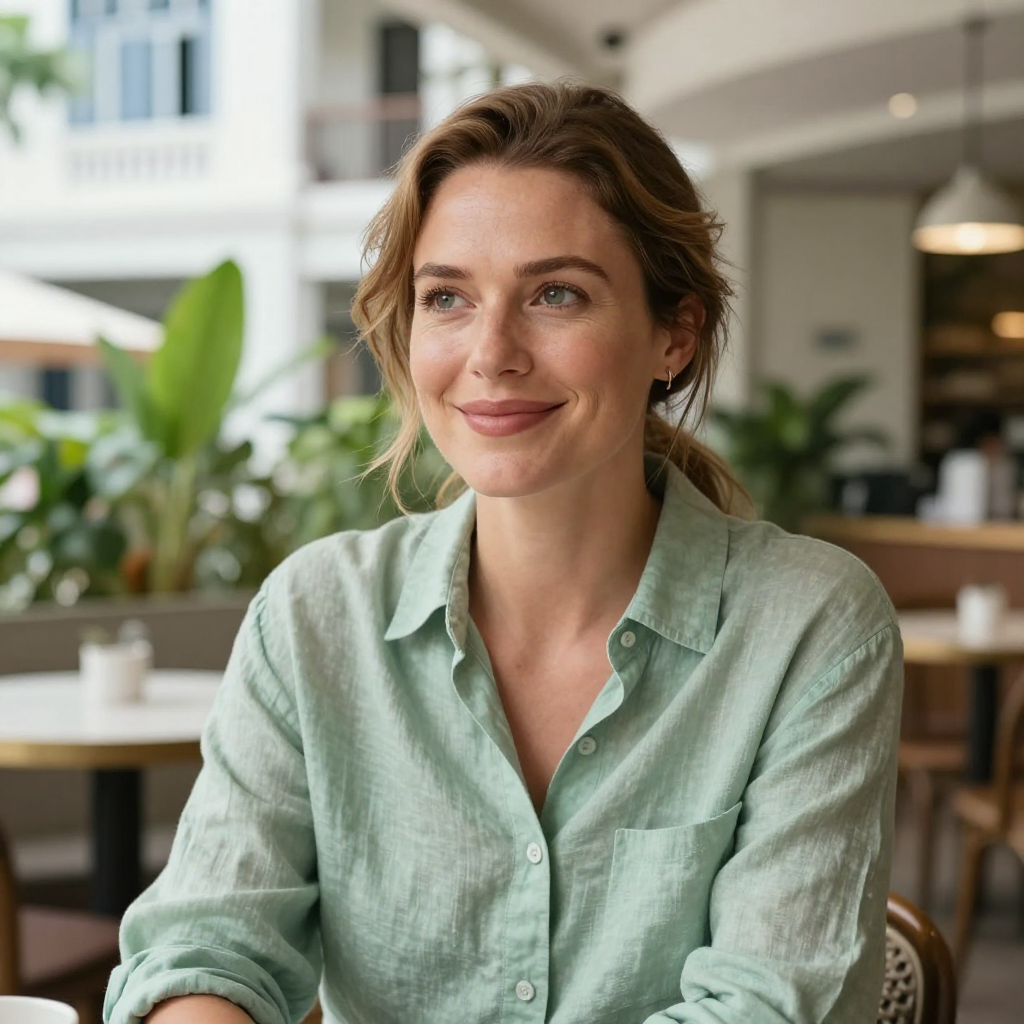
A capsule wardrobe is the most sensible response to Singapore heat. Curating a capsule wardrobe of versatile, high-quality basics is one of the most effective paths in sustainable fashion. Focus on neutral or easily mixable tones that work across contexts, from professional settings to relaxed weekends.
The goal is 7 distinct outfits from around 10 to 12 pieces. Start with 3 linen or cotton tops in neutral colours. Add 2 loose trousers, 1 skirt, and 2 lightweight dresses. Include 1 structured linen jacket for air-conditioned spaces. A lightweight linen blazer you can remove during commutes is a practical essential. Office spaces in Singapore often maintain very cold temperatures, so a light layer is important.
People increasingly accept paying more for pieces that deliver years of wear. The capsule wardrobe concept, which means fewer and higher-quality items that combine easily, has moved from online inspiration into daily reality for many. In Singapore, this is not a trend. It is a practical response to limited storage space and a constant climate.
Expert perspective on sustainable dressing in Singapore
Building a wardrobe suited to tropical conditions requires a different mindset from what most people bring from temperate climates. The focus must move away from quantity and toward performance at the fibre level. Natural textiles breathe, regulate temperature, and respond to washing in ways that synthetic blends simply do not. In Singapore, where you move between 32 degrees outdoors and 21 degrees indoors multiple times a day, layering with natural fabrics is not a style choice but a functional necessity. Brands that design for this climate and use organic or low-impact materials are meeting a genuine need, not following a passing trend. Consumers who invest in these pieces report wearing them far more often and replacing them far less frequently, which is the definition of sustainable fashion in practice.
Industry perspective, sustainable fashion and textile professionals in Singapore
The indoor-outdoor problem and how to solve it
Singapore’s buildings and public transport are notoriously over-air-conditioned. While the outdoor temperature can reach 30 degrees Celsius, indoor spaces can drop to 21 degrees, enough to cause real discomfort. Most visitors and new expats learn this lesson the hard way, usually in a cinema or a hawker centre attached to a mall.
The solution is a layer you can carry easily. A linen jacket or a light cotton cardigan adds minimal weight to a bag but changes your comfort completely. A lightweight scarf or linen jacket is a daily essential in Singapore’s indoor spaces, which are famously over-air-conditioned. Choose one in a neutral tone and it works with every outfit in your capsule.
Footwear matters too. Closed shoes trap heat and moisture in Singapore’s outdoor humidity. Choose leather or canvas sandals with a supportive sole. They work in casual settings and, with the right outfit, in most offices. Keep 1 pair of flat closed shoes in your bag for formal meetings.
Colours, prints, and the 7-day outfit formula
Colour strategy is what transforms 10 pieces into 7 distinct outfits. Choose a base of 3 neutral colours, for example, white, sand, and olive. Then add 2 or 3 pieces in one accent colour. Every combination looks intentional rather than random.
One of the smartest approaches is to choose loose-fitting clothing. A flowing linen dress, an oversized cotton shirt, or wide-leg trousers made from lightweight fabrics keeps air moving and helps you stay cool. Loose cuts also hide the effects of Singapore heat better than fitted ones. When the humidity is high, a relaxed silhouette is always the more comfortable and more elegant choice.

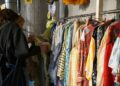





Singapore’s sustainable fashion sector, valued at USD 30.28 million in 2024, is on track to expand significantly by 2033. Organic textiles show the fastest growth, aligning with priorities in wellness and responsible consumption. Local brands are responding to this. Finding well-made, climate-appropriate, and sustainably produced pieces in Singapore is easier now than at any point before.
Dress for Singapore heat, every day of the week
Singapore heat is not a problem to solve once and forget. It is the daily condition that your wardrobe must answer every morning. A small capsule built from natural fabrics, in colours that combine freely, and designed for the indoor-outdoor temperature difference gives you 7 fresh outfits without a cluttered wardrobe.
Singapore heat also rewards investment in quality. 1 well-made linen dress used 3 times a week replaces 3 cheap polyester pieces that each survive only a few months of tropical washing. That is better for your comfort, your budget, and the environment. Start with fabric, build with intention, and let Singapore heat become something your wardrobe handles with ease.
Discover more about Singapore heat
- Meteorological Service Singapore: climate data and forecasts
- Sustainable Fashion in Singapore: Local Brands Guide
- Expat Life Singapore: dressing for the Singapore climate